


On September 30, the Philippines experienced a 6.9 earthquake in Cebu. Barely 10 days later, on October 10, Davao was hit by two massive ground movements measuring 7.4 and 6.9.
In addition to damage to property and loss of life, a curious number of those affected areas still feel as if the ground is swaying even days after the event:
We hear comments like:
“Parang umiikot pa rin yung kwarto…”
“Parang nakasakay ako sa barko…”
“Konting galaw lang ng ulo, nahihilo na ako…”
Many continue to feel dizzy and lightheaded, as if the ground is still undulating underneath their feet.
If that’s you, read on. We may have an explanation.
It may have something to do with your ears.
Post-Earthquake Dizziness Syndrome (PEDS)

What exactly is going on?
Besides, aftershocks, which come in bunches, why are people still feeling tremors?
It can be PEDS.
“Post-Earthquake Dizziness Syndrome” (PEDS) was coined by researchers conducting a clinical study following the 2016 Kumamoto earthquake in Japan.
The researchers noticed a significant increase in people reporting dizziness/motion sickness/vertigo after the earthquake. In Japan, this is called “jishin-yoi” or “earthquake drunk.”
PEDS affects 20-40% of the people in the earthquake-hit region. It’s most common in those who live in high-rise buildings, where the swaying lasts longer, or in people who are sensitive to motion, like those prone to car sickness or vertigo.
So why is PEDS happening?

To understand why your body feels like it’s still moving, it helps to know how your sense of balance works. Deep inside your ears are tiny fluid-filled canals called the vestibular system. These canals are your body’s motion sensors, informing your brain of movements, like when you’re moving forward, standing still, or turning your head.
In an earthquake, these sensors go into overdrive. The ground moves in unpredictable directions, your eyes see things shaking (especially things that are not usually moving), and your muscles react to keep you upright.
So you have a mix of visual motion, physical motion, and emotional shock. And your brain tries to process all that chaos all at once.
When the quake ends, your senses don’t immediately “reset.” Your brain, still expecting movement, continues to send mixed signals.
The result?
A strange sensation that the world hasn’t fully stopped moving.
It’s similar to what happens when you’ve been on a boat for a while. Once you step back on land, your body still feels like it’s rocking. That’s the same inner ear confusion happening after an earthquake.
But Here’s The Rub…
For the most part, the dizziness can resolve itself and only last a few minutes to several days. Your vestibular system resets, and you are on your merry way.
Sound simple enough, right?
However, PEDS is usually associated with anxiety and stress.
First, the earthquake event itself is already emotionally stressful enough and can trigger bouts of anxiety.
But the bouts of dizziness, the lingering sensations of lightheadedness that happen days after the earthquake, can put the brain into overdrive.
People worry.
Not only for the aftershocks, but also for that spinning feeling.
“What is wrong with me?”
“Mataas ba BP ko?”
“May brain tumor ba ko?”
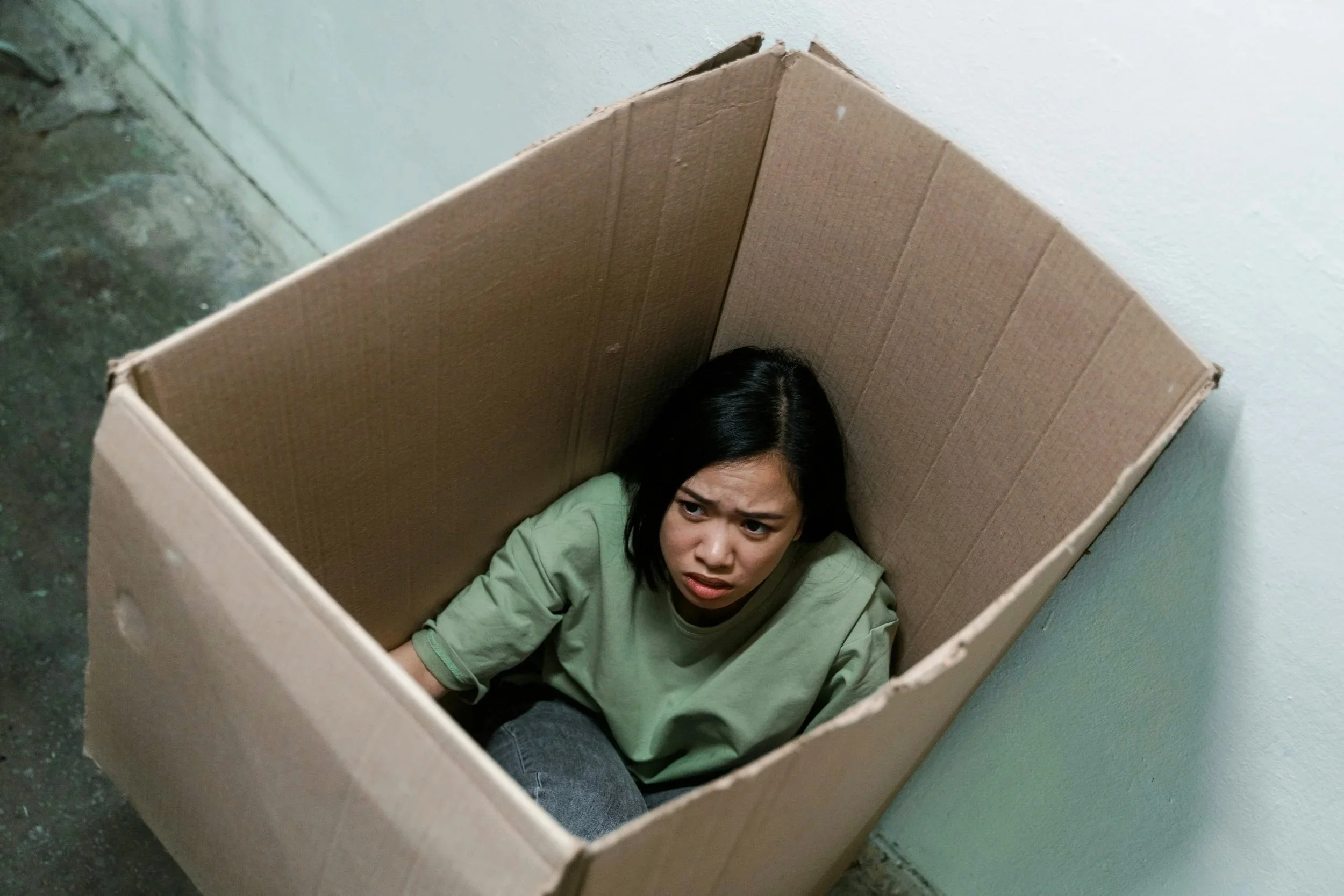
The experience is very disconcerting, especially when we note that lightheadedness can be a feature of a long list of problems:
High blood pressure
Low blood pressure
Low blood sugar
Anemia
Electrolyte imbalance
Asthma
Heart Attack
Stroke etc.
Dizziness feeds anxiety, and some folks go on to have full-on panic attacks as a result of a balance problem. The brain goes into overdrive and makes things worse.
You feel dizzy → You start worrying → Anxiety makes dizziness worse → Your body reacts more strongly → The cycle repeats and gets worse.
This feedback loop can start very innocently.
Like when you suddenly feel dizzy while doing garden work. You think it could be your blood pressure and wonder if your “maintenance” needs to be replaced or your dosage upped. This caused you to worry a little. So you went inside the house, catching your breath, and reached for the electronic sphygmomanometer. As the inflatable firmly cuffed your arm, you had a sinking feeling that your reading would be high.
Because you were already nervous and mildly panicking, the reading was high: 160/90
“Sabi ko na nga ba eh!”
Now, you’re really worried. Your chest is beating faster, and you’re having sweats.
Needless to say, PEDS can easily trigger significant distress and impact one’s psychological-emotional well-being.
What You Can Do: Reclaiming Your Balance

Feeling dizzy after a quake can be unsettling, but there are simple steps you can take to help your body regain balance. These strategies are easy to apply at home or at work:
Sit or Lie Down When Dizzy
The safest response during a dizzy spell is to sit or lie down. This prevents falls and gives your vestibular system a chance to recalibrate.Focus on a Stable Object
Your brain relies on visual cues to maintain balance. Looking at a stationary object can help it reorient and reduce the sensation of swaying.Move Slowly
Avoid sudden head or body movements. Gradual movements allow your inner ear to adjust and prevent triggering more dizziness.Stay Hydrated
Dehydration can worsen dizziness. Drinking water regularly helps your body maintain proper fluid balance and supports inner ear function.Practice Grounding or Breathing Techniques
Deep breathing, focusing on your feet, or gentle stretching can calm your nervous system, lowering anxiety that can amplify dizziness.Try Gentle Vestibular Exercises
Slowly turning your head side to side, or shifting your weight from one foot to another, can help retrain your balance system. (But do this only if it doesn’t worsen your symptoms.)Rest and Sleep Well
Fatigue can make dizziness more pronounced. Short naps, adequate night sleep, and avoiding overstimulation (like bright screens) can help your body recover.
Even simple awareness, knowing that your swaying is normal and temporary, can make a big difference. The more you respect your body’s signals, the faster it learns to trust the still ground beneath you.
In terms of medication, over-the-counter drugs like Dramamine can provide immediate relief from dizziness.
Another route to relief is the Epley Maneuver, which is a series of head movements that help deal with the issues in the inner ear.
Many people feel noticeable relief after just one or two sessions. It’s a simple, non-invasive way to help reset your balance.
Watch this video to learn how to do the Epley Maneuver:
What If It’s Not PEDS Pala?
Post-Earthquake Dizziness Syndrome (PEDS) usually resolves on its own. For most people, the swaying, lightheadedness, or spinning sensations last anywhere from a few hours to a couple of days. Your brain and inner ear are simply recalibrating after the motion, and with rest, hydration, and calm surroundings, your balance system gradually resets.
However, there are times when dizziness shouldn’t be ignored. You should see a doctor if you experience:
Dizziness that persists beyond a week.
Severe vertigo, vomiting, or difficulty walking.
Vision changes, double vision, or sudden hearing loss.
Dizziness accompanied by chest pain, numbness, or severe headaches.
These could indicate underlying issues unrelated to PEDS.
Conditions like high blood pressure or anemia can make you feel lightheaded or off balance.
A simple checkup can make all the difference. Your doctor can recommend a few lab tests to rule out other conditions, so you’ll know whether your dizziness is just your inner ear adjusting or if it’s something that needs serious medical attention.
Getting those lab results can give you the peace of mind and prevent bouts of anxiety and stress.
BloodWorks Lab is your partner in health and well-being. We do a wide range of medical screenings and assessments that help you and your doctor monitor your health.
We are your one-stop shop for all your blood test needs.
BloodWorks was also the first in the country to offer the Anti Acetylcholine Receptor (IgG) Antibody Test and the Anti N-Methyl-D-Aspartate Receptor (Anti NMDA Receptor) Antibody Test.
Book your appointment today.
Our branches are in Alabang, Katipunan, and Cebu.