
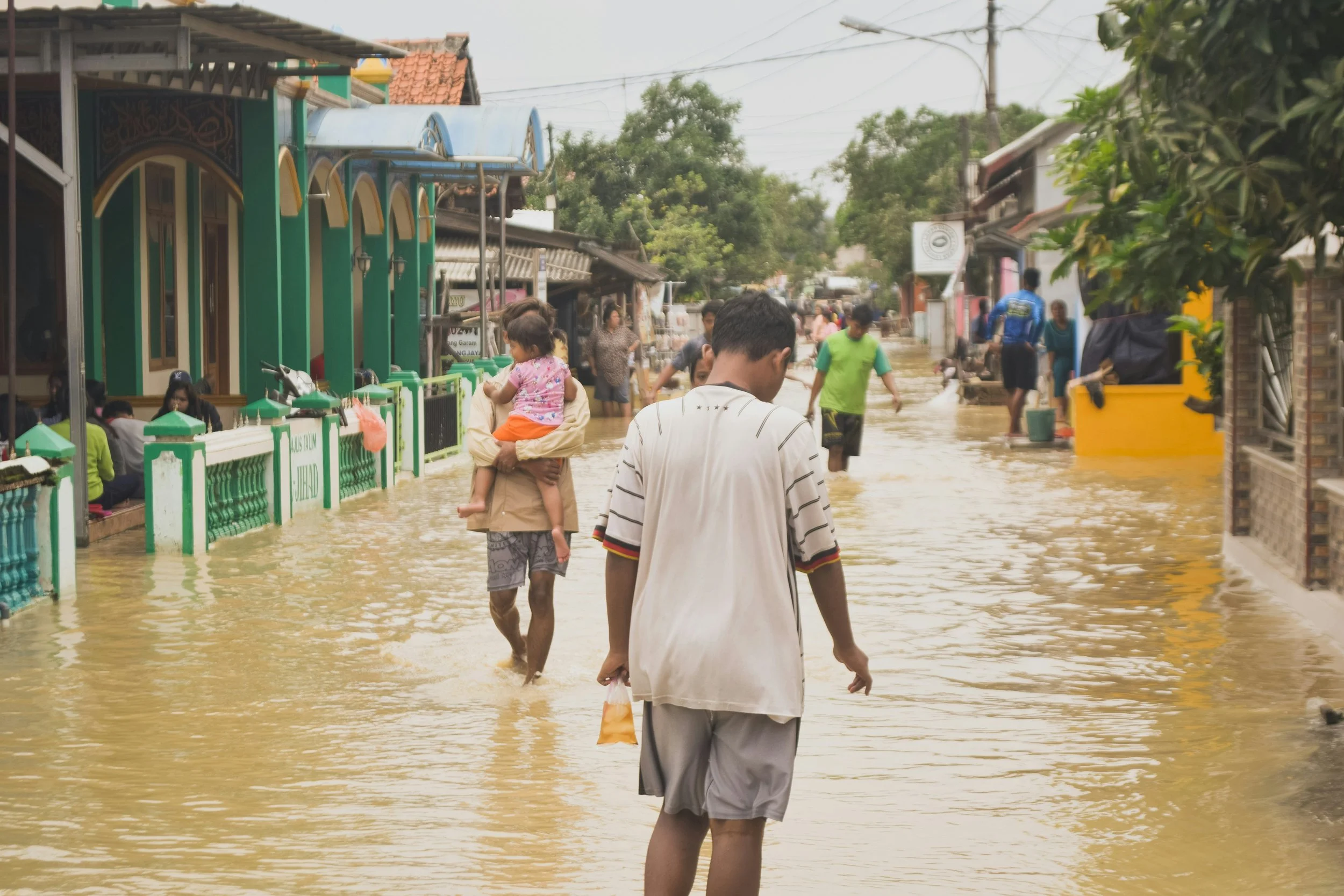
Before Tino and Uwan, we had Yolanda, Ondoy, and Odette.
These are not your neighborhood “Mariteses,” but the names of some of the strongest typhoons that have visited the country in recent years.
But beyond the destruction of property and the “inconveniences” of fast-moving floods, major illnesses lurk below the dirt and debris.
And it’s not just leptospirosis we have to watch out for. Knowing about these illnesses and how to manage them can prevent one week of bad weather from turning into a household health crisis.
Why Health Risks Spike During the Wet Season
Wet months fiddle with the environment and the “normal” state of things.
Floodwater mixes with garbage, sewage, and animal waste. Homes stay damp for days, inviting bacteria and molds to grow.
Urban areas suffer most because drainage systems usually can’t keep up. Even a few hours of continuous rain can flood streets and backyards, forcing people to wade through dirty water just to reach work or buy supplies.
Evacuation centers often become temporary shelters where evacuees share limited bathrooms, sleeping mats, and food supplies. With little ventilation and everyone breathing the same air, viruses move quickly, while outside, puddles that refuse to dry up become mosquito territory.
Health Conditions to Watch Out For During the Wet Season
1) Respiratory Infections
The combination of damp clothes, cold air, and crowded spaces makes it very easy for respiratory infections to spread.
After days of rain, you’ll notice this: a chorus of coughs and sniffles echoing through homes, schools, and evacuation centers.
Here’s how to protect yourself from respiratory infections:

Keep your distance from people with a cough or fever. Droplets from sneezing or coughing spread viruses quickly.
Wear a mask in crowded or enclosed spaces. It protects both you and others from infection.
Wash your hands often.
Avoid touching your face. Germs enter easily through the eyes, nose, and mouth.
Boost your immunity with nutritious food, enough sleep, and regular hydration.
Keep your surroundings well-ventilated. Open windows when the weather allows. Fresh air dilutes indoor germs.
If you already have it, you have to rest and stay hydrated. Warm fluids soothe the throat and help thin mucus.
Avoid antibiotics unless prescribed. Most colds and flu are viral, and antibiotics won’t help.
If a cough lasts more than a week or breathing becomes difficult, seek medical care right away. It might be “malayo sa bituka…pero nasa baga mo na pala.”
So keep yourself and your family warm and dry this wet season.
2) Mosquito-Borne Diseases
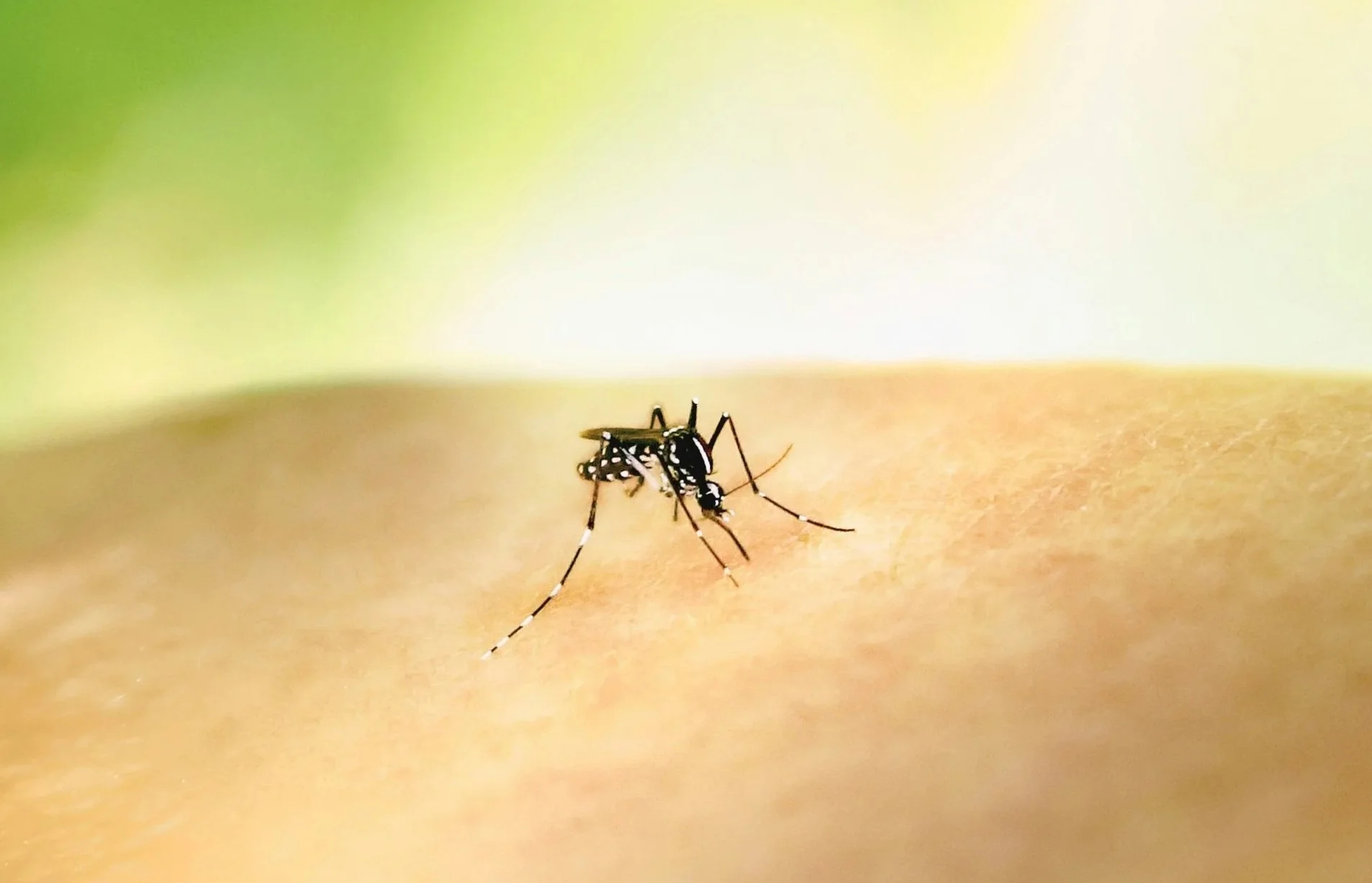
When floodwaters finally drain, they leave behind still puddles that turn into mosquito breeding grounds.
We know of dengue, but it’s not the only thing to watch for because Chikungunya and Japanese encephalitis also spread through the same mosquito species.
Mosquitoes multiply fast after floods and heavy rains. Multiple areas can become breeding sites within days, turning homes and evacuation centers into danger zones for dengue and other viral infections.
How to prevent mosquito-borne illnesses:
Keep the surroundings dry. Empty water containers, flower pots, old tires, and buckets at least once a week.
Cover water storage containers. Make sure drums, pails, and tanks are tightly sealed.
Clean gutters and drains. Remove leaves and debris where water can collect.
Use mosquito nets and screens. Protect sleeping areas, especially for babies and the elderly.
Apply insect repellent. Use lotions or sprays with citronella — especially at dawn and dusk when mosquitoes are most active.
Wear protective clothing. Long sleeves and pants help reduce bites.
Support community cleanup drives. Collective efforts prevent neighborhood breeding sites.
Seek medical help early. Persistent fever, rashes, or body pain should never be ignored — early testing can make a big difference in dengue outcomes.
If dengue or another mosquito-borne illness is suspected:
Avoid self-medicating with pain relievers like ibuprofen or aspirin (these can worsen bleeding).
Stay hydrated. Drink plenty of water, juice, or oral rehydration solutions.
Rest and monitor for warning signs such as abdominal pain, persistent vomiting, bleeding gums, or extreme fatigue.
Go to the nearest health center or hospital for evaluation and blood tests.
The fight against dengue and similar illnesses starts right at home. Clean, dry surroundings are still the strongest defense against the smallest but deadliest invader of the rainy season…the mosquito.
3) Skin Infections and Wound-Related Illnesses
Many don’t have the luxury of staying inside their homes during a typhoon. The waters may already be in their living rooms and thus have to evacuate and unavoidably wade through floodwater.
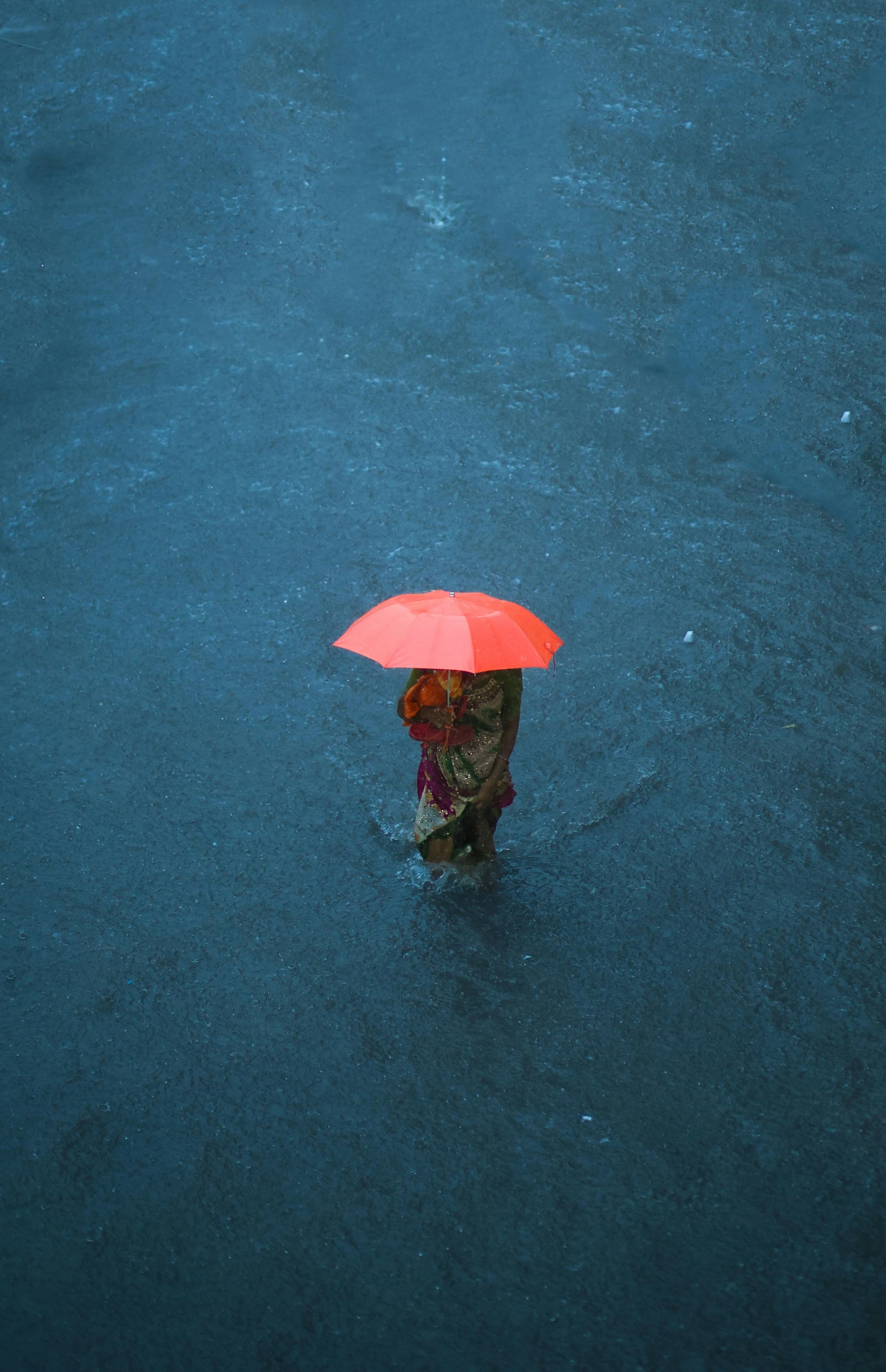
Unfortunately, that murky water carries bacteria and fungi that can enter even the smallest cuts. The result can range from mild skin irritation to serious infections.
Leptospirosis is caused by exposure to the bacteria Leptospira, which are found in the urine of infected animals like rats. Risk increases after heavy rainfall, when the water can be contaminated with animal urine.
Fungal infections also proliferate during this season. Constant dampness, tight shoes, and limited opportunities to dry off create the perfect breeding ground for fungi.
The most common ones are athlete’s foot (alipunga), jock itch (buni), and yeast infections. These usually start with itching, redness, and a rash that worsens when the skin stays moist. Small cracks may form between the toes or around skin folds, and if left untreated, they can open pathways for bacteria, leading to more serious infections like cellulitis.
Prevent these maladies by practicing the following:
Keeping your feet and skin folds dry. Change socks or underwear frequently, especially after wading through floodwater.
Avoiding sharing towels or slippers, as fungi can spread through contact.
Using antifungal powders or creams at the first sign of itching.
Choosing breathable clothing. Cotton works better than synthetic fabrics.
Strengthening your immune system through rest, proper nutrition, and hydration.
4) Food-borne Illnesses
Power outages are almost guaranteed after strong typhoons. When refrigerators stop working, spoiled food becomes a quiet threat, especially when people try to save what they can.
Eating contaminated food can cause vomiting, diarrhea, and dehydration. These can easily become a new problem by themselves.
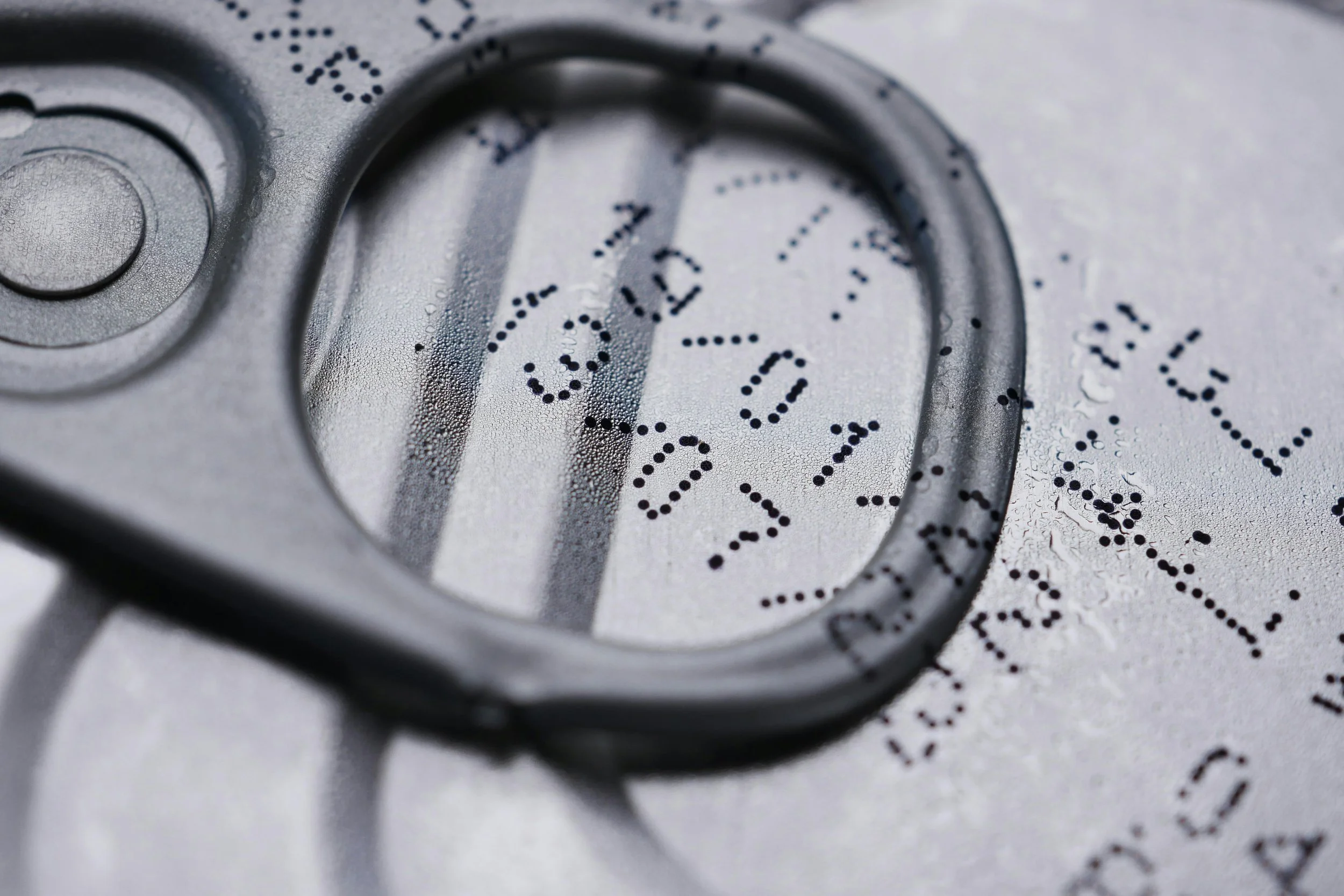
So to be safe, throw away food that’s been soaked, expired, smells off, or looks unusual. If possible, cook fresh meals instead of reheating old ones.
Good food hygiene is often overlooked during disasters, but it’s one of the simplest ways to protect your family’s health.
Here’s how to keep food safe, not just during typhoon season, but as a regular habit:
Wash your hands thoroughly before handling food and after using the toilet. Use soap and clean water or alcohol-based sanitizer if water is limited.
Cook food thoroughly. Make sure meat, poultry, and seafood are fully cooked — no pink or raw parts.
Avoid cross-contamination. Use separate utensils and chopping boards for raw and cooked food.
Boil drinking water for at least 2 minutes if the source is uncertain. Store it in clean, covered containers.
Eat freshly prepared meals. Avoid leftovers that have been sitting out for more than 2 hours.
Check for spoiled food. Discard anything with an unusual smell, color, or texture — “sayang” food is still cheaper to lose than a hospital bill.
Avoid canned goods with bulging lids or rust. These may indicate contamination.
Don’t eat food that has come into contact with floodwater. Even a small amount can contain dangerous bacteria or chemicals.
Clean cooking utensils and surfaces with soap and safe water before and after use.
5) Mental Health Problems
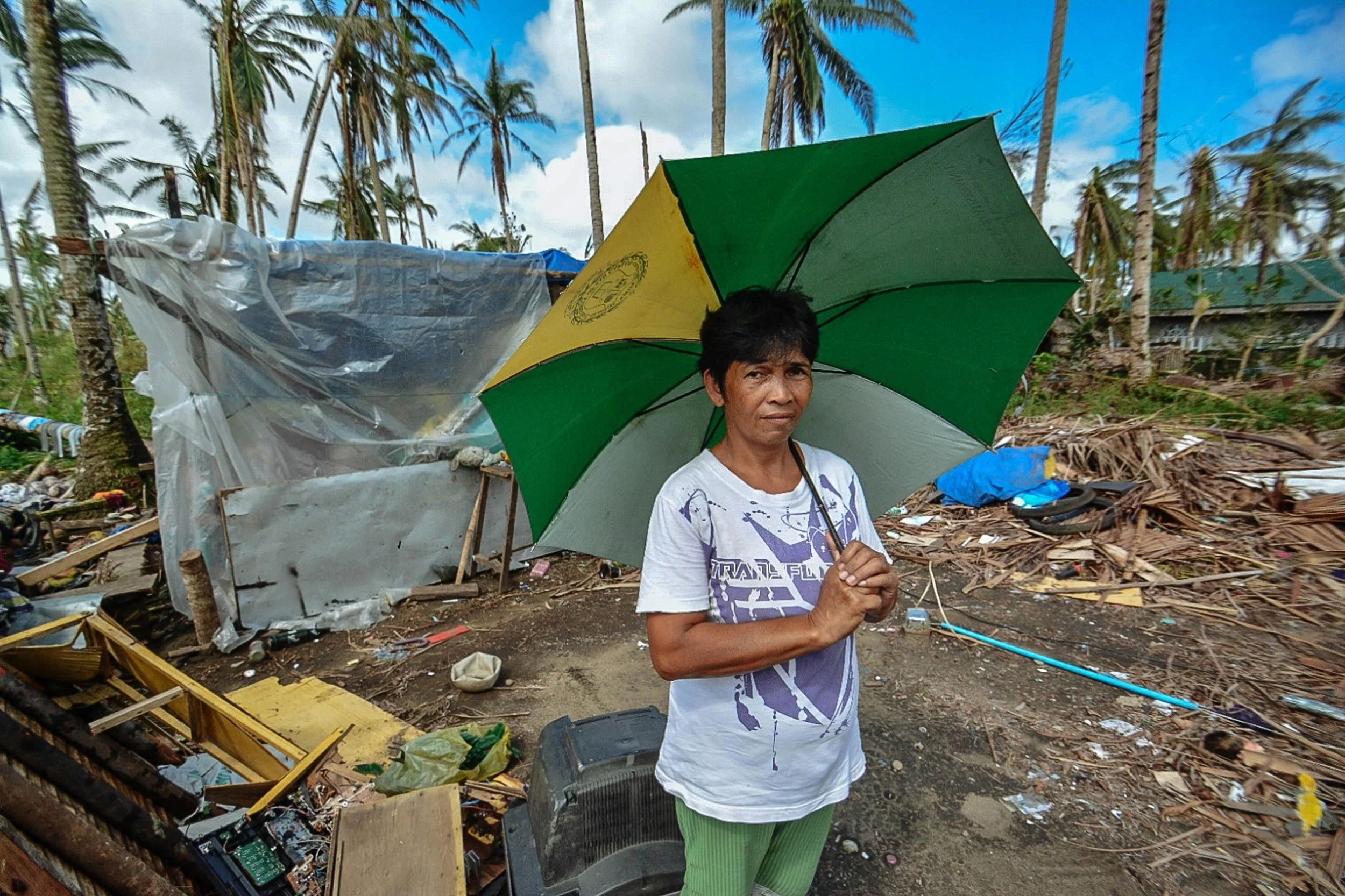
Not all wounds are visible. Typhoons often leave emotional and mental scars.
Many Filipinos experienced sleepless nights during a storm, anxious about being felled by the huge mango tree in the yard, worried about property loss, or worse, spending the night waiting for rescue on the roof of their house.
I have seen rescued families in evacuation centers in a daze, shellshocked after their overnight flash flood experience.
Add to this the uncertainty of rebuilding afterward, and the stresses can easily trigger anxiety, panic attacks, or depression…especially when disasters happen back-to-back.
It’s common to feel drained or on edge for days, even weeks, after a major storm. Even when you’re at home, but not having electricity (and internet!) or clean water for days on end, being thrown off personal routines one’s used to can impact the mental and emotional well-being of individuals.
The key is not to ignore those feelings. Talking with family, friends, or community workers can lighten the load. (If you need to talk, there’s always someone waiting to listen.)
For children, keeping a sense of normalcy— regular meals, routines, and small comforts — helps restore security.
Emotional recovery is as important as physical safety.
6) Illnesses Because of Weakened Immunity and Stress
The mental burdens will, of course, fall on biology.
When people go through storms, evacuations, and the struggle to rebuild afterward, the body doesn’t always bounce back right away. Constant stress, poor sleep, and skipped meals can weaken the immune system, making you more vulnerable to infections that normally wouldn’t take hold — like colds, flu, and even urinary tract infections.
Flare-ups can also result. Asthma flare-ups can be triggered not just by dust or poor indoor conditions but by anxiety. Stress chemicals can threaten not only migraines and hypertension, but also allergies and inflammation.
Cortisol, the body’s stress hormone, rises during prolonged anxiety, and while it helps during short emergencies, too much of it for too long lowers your ability to fight germs. That’s why many people get sick after the storm, not during it.
So if you and your family have experienced trying times, work to take good care of your health and not make things worse:
Try to eat regular meals, even simple ones, and stay hydrated.
Rest whenever you can. Short naps help more than you think.
Find small ways to release tension: talking with family, prayer, or listening to calming music.
If stress symptoms like chest tightness, constant fatigue, or sleeplessness persist, talk to a doctor or counselor.
BloodWorks Lab stands in solidarity with the Filipino people during these challenging times. As communities continue to face the impact of recent typhoons, our commitment remains firm: to provide dependable diagnostic services and support every Filipino’s health and well-being.
We encourage everyone to stay alert and take proactive steps to protect our communities from preventable diseases during this rainy season. Our laboratories are ready to assist in monitoring health conditions that often arise after heavy rains and flooding.
BloodWorks is your one-stop shop for all your blood test needs.
Our branches are in Alabang, Katipunan, and Cebu.
Book your appointment today.