

“Won’t she die?”
That was the first question asked by a Cebuana’s family when doctors said her pancreas would have to be removed because of severe chronic pancreatitis.
That was a year ago. She is still alive today, proving that, yes, you can live without your pancreas.
It is possible…but not simple.
Most people don’t realize how much this small organ does until it stops working or gets removed.
In this post, we’re going to look into the importance of a small organ that has often been taken for granted, and learn how lifestyle changes occur when one’s pancreas is decommissioned.
Meet Your Pancreas: Small but Critical

It’s about six inches long, shaped like a flat fish, and tucked neatly behind your stomach where most people never think about it.
If your organs were in a group photo, the pancreas would probably be the quiet one in the back, rarely mentioned. But without it, the whole scene falls apart.
What exactly does it do?
Well, a lot more than you might think.
The pancreas is a vital player in two of the body’s systems—the digestive system and the endocrine system:
1.) Digestive Function
Every time you eat, your pancreas sends digestive enzymes that help break down fats, proteins, and carbs so your body can actually absorb the nutrients.
Every single day, it makes over 1.5 liters of pancreatic juice, enough to fill a large soda bottle. And yet, most people never realize or feel that this thing is happening inside them.
2. Blood sugar control (Endocrine function)

The pancreas produces two key hormones—insulin and glucagon—that regulate your blood sugar levels.
They work antagonistically, meaning they balance out each other’s functions. Insulin lowers blood sugar, while glucagon raises it.
Insulin brings sugar into your cells and stores it for future use, while glucagon releases stored sugar when your levels drop. Without this highly coordinated mechanism, your blood sugar would swing dangerously high or low.
So, Why Would Someone Lose Their Pancreas?
The idea of removing an entire organ sounds extreme, but sometimes it’s the only way to save someone’s life.
Total pancreatectomy, where the entire pancreas is removed, is usually the last resort. Doctors only recommend it when every other treatment has failed or poses harm to the body.
Sometimes, it’s only a partial pancreatectomy where the “tail,” “head,” or body of the pancreas is removed, depending on the location of the issue being addressed.
Now, here are the most common reasons for taking out the pancreas:
Pancreatic cancer – This, by far, is the leading reason for total removal. Because pancreatic cancer is often discovered late, surgery may be the only option to prevent it from spreading and causing further harm.
Chronic pancreatitis – Repeated inflammation can cause permanent damage, leading to unbearable pain and digestive problems. When pain relief no longer works, removal is sometimes considered.
Severe trauma – Serious accidents (like car crashes) can completely destroy it, leaving no room for repair.
Genetic conditions – Certain rare growths, such as IPMN or Intraductal Papillary Mucinous Neoplasms (tumors in pancreatic ducts), increase the risk of cancer, and sometimes preventive removal is considered.
Signs That Something Is Wrong
So how do we know if something is wrong?
This unassuming organ doesn’t always scream for attention when something’s off. Often, the signs are subtle and easy to miss. But here are red flags you shouldn’t ignore:
1. Persistent Upper Abdominal Pain

A deep, burning pain in the upper belly that may spread to your back—especially after eating—can signal pancreatitis or other pancreatic issues.
2. Unexplained Weight Loss
Losing weight without trying could mean so many things, but one of the causes is your pancreas not producing enough enzymes to absorb nutrients properly.
3. Oily, Foul-Smelling Stools
Known as steatorrhea, these stools float, look greasy, and are hard to flush. It’s a sign that fat isn’t being digested.
4. Jaundice (Yellowing of Skin and Eyes)
This usually indicates some blockage in the pancreas or bile ducts, often due to tumors or severe inflammation.
5. Nausea and Vomiting After Meals
When your pancreas doesn’t release enzymes properly, food sits undigested in your stomach, causing discomfort and nausea.
6. Constant Fatigue
Poor nutrient absorption and fluctuating blood sugar can leave you drained, even after a full night’s sleep.
So, What Happens When You Remove It?
When your pancreas is removed, two problems show up immediately:
1. Insulin deficiency
Without a pancreas, your body can’t make insulin at all. Overnight, you develop what’s essentially Type 1 diabetes and need insulin injections to control blood sugar. Unlike Type 2 diabetes, there’s no lifestyle fix here. Insulin therapy then becomes a lifelong necessity.
2. Digestive trouble
Remember, earlier we learned that the pancreas releases juices that help the body digest food. Without these enzymes, you can’t absorb nutrients properly, leading to bloating, weight loss, and steatorrhea.
Daily Life Without It
Surviving without a pancreas is possible, but it’s a full-time commitment. Make no mistake, you will have to be more intentional with your activities and food intake. Every meal, snack, and even stressful moment can affect your blood sugar or digestion.
Here’s what living without a pancreas looks like:
1. Constant Blood Sugar Checks
You just lost the insulin-glucagon balancing mechanism, and there’s no “backup” system to that. Patients have to check their blood glucose several times a day and adjust insulin doses carefully.
Imagine stopping whatever you’re doing in the middle of the day to check on your glucose levels. (And you do this several times a day.)
This alone is a major life change and commitment.
Hypoglycemia unawareness—when low blood sugar happens without warning—is a real danger. Some rely on continuous glucose monitors (CGMs) that send alerts to their phone or smartwatch.
2. Digestive Challenges
Without digestive enzymes, food doesn’t break down properly. The result? Gas, bloating, and fatty stools—especially after high-fat meals. Taking enzyme capsules with every meal solves most of this, but skipping even one dose can make symptoms flare up fast.
3. Diet Adjustments

Big plates of greasy food are out. Small, balanced meals are in. Many doctors recommend low-fat, high-protein meals spread throughout the day to keep energy steady and reduce strain on digestion. Alcohol is discouraged since it complicates both blood sugar and digestion.
4. Mental and Emotional Toll
Managing diabetes plus enzyme replacement can feel like having a second job. Studies show higher rates of anxiety and depression among people who’ve undergone total pancreatectomy. This is not surprising when your health needs that much round-the-clock attention. Support groups and counseling can make a big difference in coping with these changes.
Everyday Habits That Harm Your Pancreas
Before it’s too late. Everyone must learn to avoid habits that cause the pancreas unnecessary strain.
Certain lifestyle choices can cause damage over time.
Watch out for these “DON’T’s” and DO the opposite:
1. Heavy Alcohol Use

Unsurprisingly, drinking too much alcohol is one of the top causes of pancreatitis (inflammation of the pancreas). Over time, repeated flare-ups can lead to chronic damage or even increase the risk of pancreatic cancer.
2. High-Fat, Processed Diets
Eating lots of greasy, fried foods can raise triglyceride levels, which is a known trigger for pancreatitis. It also contributes to obesity—a major risk factor for pancreatic problems.
3. Smoking
Few people realize smoking is a leading cause of pancreatic cancer. In fact, smokers are twice as likely to develop it compared to non-smokers.
4. Ignoring Blood Sugar Problems
Uncontrolled diabetes stresses the pancreas and can lead to long-term complications. Keeping blood sugar in check helps protect it.
How Doctors Check Your Pancreas
Doctors use a mix of blood tests and imaging to figure out what’s going on. Here are the most common ways they check:
1. Blood Tests
Doctors measure enzymes like amylase and lipase in your blood. High levels often point to pancreatitis (inflammation). They may also check blood sugar and liver function since these can be affected by pancreatic problems.
2. Ultrasound
A quick, painless test that uses sound waves to look at the pancreas. It’s usually the first step to spot swellings, tumors, or cysts.
3. CT Scan
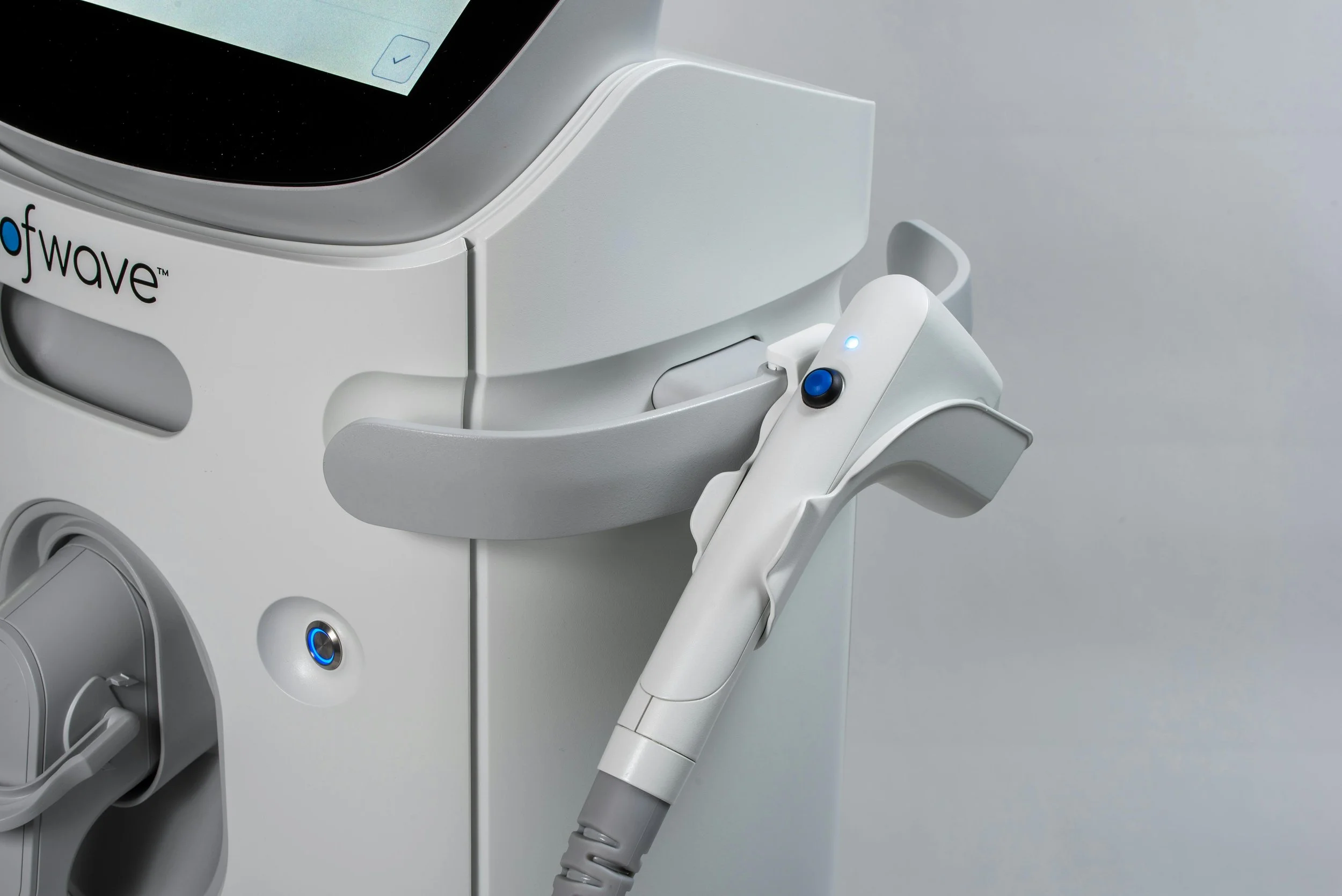
A more detailed type of X-ray that can show inflammation, blockages, or tumors in the pancreas. This is a standard tool when doctors suspect serious conditions.
4. MRCP
MRCP stands for Magnetic Resonance Cholangiopancreatography. That might sound like a mouthful, but just know that these scans give highly detailed pictures of the pancreas and ducts without surgery. MRCP is especially good at spotting blockages in the bile or pancreatic ducts.
5. Endoscopic Ultrasound (EUS)
A tiny camera with an ultrasound probe is guided down the throat to take close-up pictures of the pancreas. This is especially helpful for finding very small growths or cysts that regular scans might miss.
6. ERCP
A combination of endoscopy and X-rays. It’s both a test and treatment. Doctors use it to see inside the ducts and remove blockages if needed.
BloodWorks Lab provides you with fast and accurate medical tests that help assess not only your pancreas but also your general state of health.
We are your one-stop shop for all your blood test needs, offering a range of checkup packages tailored just for you.
We are the first in the country to offer the Anti Acetylcholine Receptor (IgG) Antibody Test and the Anti N-Methyl-D-Aspartate Receptor (Anti NMDA Receptor) Antibody Test.
Book your appointment today.
Our branches are in Alabang, Katipunan, and Cebu.