

“Air pollution is the leading cause of disease and early death worldwide, even more than high blood pressure or smoking…” This is according to Dr. Annelle Raphayette T. Chua, head of the Innovation Flagship Program at the Ateneo School of Medicine and Public Health (ASMPH).
In Metro Manila alone, 13 million residents are regularly exposed to pollution levels that are well above global safety standards. Air pollution not only causes respiratory diseases but also contributes to cardiovascular and neurological ailments.
Lung health matters more than ever.
But if air pollution is all around us, and we can’t bubble wrap ourselves from the world, how can we keep healthy lungs in a world full of cars, factories, and other pollutants?
That’s what we’ll talk about in this post.
If you live in one of the country’s major cities like Manila, Cebu, or Davao, read on.
What Exactly Is In The Air We Breathe?
Let’s say you walk outside your house in Quezon City at 7 a.m. The street’s already alive. The swarm of tricycles is revving, and kids are heading to school. The taho manong calls out his faithful like clockwork.
You take a deep breath.
Here’s what you just actually inhaled:
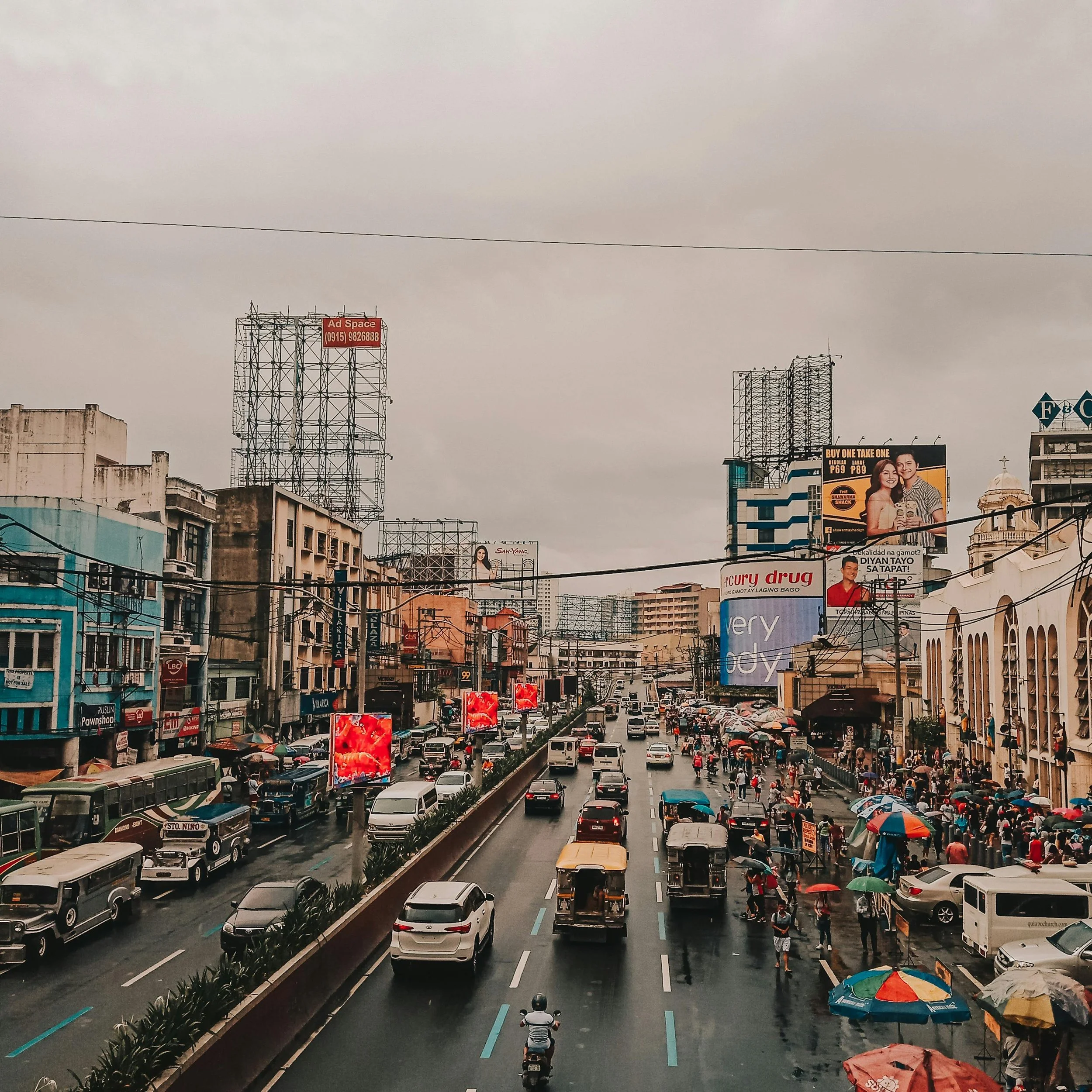
Tiny particles from jeepney and tricycle exhaust
A dash of cigarette smoke from the neighbors
Dust from yesterday’s road construction
Fumes from a nearby BBQ stand
Traces of chemicals from paint or disinfectants
We don’t see them, but the air we breathe is full of particles. And many of them aren’t exactly friendly.
Let’s break it down.
1. Particulate Matter
These are super tiny bits of dust, soot, and smoke. These particles are 30 times smaller in diameter than a single strand of human hair. They are so small that they can go straight to your lungs, even to your bloodstream.
You can find them in the exhaust of motor vehicles, burning trash, cigarettes, fireworks, and even frying oil from the kitchen.
2. Nitrogen Dioxide (NO₂)
This comes mainly from motor vehicles, buses, jeepneys, and motorcycles stuck in traffic with you. Breathing in NO₂ regularly can irritate your lungs and worsen asthma.
3. Carbon Monoxide (CO)
We’ve all heard of this one. It's the silent killer. The big problem with Carbon Monoxide is that it’s colorless, odorless, and deadly in high amounts. Often comes from incomplete combustion—meaning poorly ventilated gas stoves, charcoal grills, or running your car inside a closed garage.
4. Volatile Organic Compounds (VOCs)
These are found in your air fresheners, cleaning sprays, paints, and some plastics. They may smell nice, but when used too often in closed spaces, they can affect your lungs, and in some cases, even your brain.
What does all this mean?
It means the air isn’t just “air.” It’s a chemical cocktail.
The mix depends on where you live. And in many Filipino cities, pollution levels can easily go beyond what’s considered safe by the World Health Organization.
Don’t take that lightly because every invisible thing you breathe in can leave a mark on your lungs. And the more you’re exposed, the harder your lungs have to work just to keep you alive.
How Pollution Affects Your Lungs Over Time

You don’t wake up one morning and suddenly have weak lungs. No, the decline is slow. It’s so slow, you won’t notice anything’s wrong until climbing stairs feels like climbing a mountain.
Here are some everyday symptoms that are your lungs talking to you:
Persistent Cough: It’s the ubo that never ends. That could be your body reacting to constant irritants in the air.
Morning Phlegm: Your lungs are working overtime to trap and expel pollutants.
Shortness of Breath: Especially when walking, or even just doing simple chores.
Chest Tightness: It’s not always because of stress. Air pollution can cause your airways to narrow.
Worsening Asthma: Poor air quality can exacerbate an existing condition. It makes flare-ups more often and more severe.
Long-Term Consequences
Long-term exposure could mean losing lung capacity year after year. Some of the chronic conditions linked to pollution include:
1. Chronic Obstructive Pulmonary Disease (COPD)
This includes emphysema and chronic bronchitis. It makes breathing progressively harder. Most people don’t realize they have it until a large portion of their lung function is already gone.
2. Increased Risk of Heart Disease
Yes, your lungs are directly connected to your heart health. Polluted air can cause inflammation that affects blood vessels, consequently increasing your risk of stroke or heart attack.
3. Lung Cancer
You can choose to smoke or not to smoke. But air pollution is everywhere in the cityand you have very little control over it. Air pollution is now recognized as a major cause of lung cancer. According to the World Health Organization, outdoor air pollution is classified as a Group 1 carcinogen—the same category as tobacco smoke and asbestos.
4. Low Birth Weight and Developmental Problems in Babies
Pregnant women exposed to pollution are more likely to give birth to underweight or premature babies. That’s not just a harmless statistic. It’s a life affected from day 1.
Are You Safe Inside Your Own Home?
You can protest the smoke-billowing factory some kilometers away. But sometimes, the worst air you breathe is the one inside your own house.
When we talk about air pollution, most people picture traffic jams, smoke-belching buses, or factory exhaust pipes. But what if I told you the pollution inside your house could be just as bad, maybe even worse?
What’s Polluting Your Home (and You Might Not Even Know It)
1. “Lutong bahay”... with a side of smoke

If you cook with charcoal, wood, or even LPG without proper ventilation, you're filling your home with invisible toxins. That smoked grilled pork chop can leave behind more than just the delicious smell. Smoke particles can linger in the air and enter your lungs.
2. Katol and Mosquito Coils
It’s a nightly ritual in many Pinoy homes. We light the katol to keep the mosquitoes away. But here’s the trade-off: a study has shown that burning one mosquito coil can release as much particulate matter as over 100 cigarettes. So imagine having that coil burning bedside, on a nightly basis, in a closed room.
3. Air Fresheners and Cleaning Sprays
We all want our homes to smell fresh. Unfortunately, some sprays contain VOCs (volatile organic compounds) that irritate the lungs when used too often in enclosed spaces. So that lemony scent might come with a dose of low-grade lung irritation.
4. Candles and Incense
We use them for prayer and ambiance, but they also release smoke and soot, especially if used in poorly ventilated areas.
5. Dust and Mold in Tight Spaces
We close the windows of air-conditioned rooms all day to keep the pollution out—not knowing that dust, mites, and even mold spores can build up inside. Without regular cleaning and ventilation, these can trigger allergic reactions, asthma, and long-term respiratory stress for both kids and adults.
Signs Your House Might Be Hurting Your Lungs

Your home should be a refuge. But for many, it quietly becomes the place where lungs take the biggest hit. Here are some signs you need to be aware of:
You cough more at home than when you’re outside.
You feel tightness in your chest when you wake up in the morning.
Your child gets sick often despite not being exposed to the elements.
Rooms smell stuffy or musty even when cleaned.
Simple Ways to Breathe Easier at Home
You don’t need to spend thousands to make your space safer to breathe. Just a few small changes can protect the people you love:
Open your windows
At least 15–30 minutes a day. Let fresh air circulate. This will make your house smell cleaner naturally.
Cook near a window or use an exhaust fan
If you use charcoal or LPG, make sure smoke has a way out. A cheap electric fan blowing air outward through a window can also help.
Use electric mosquito zappers instead of coils
No smoke, no smell, and no invisible lung damage.
Switch to low-scent or natural cleaning products
Look for “fragrance-free” or “low-VOC” options when possible.
Vacuum or mop regularly, especially under furniture
You’d be surprised how much dust—and even dead cockroach particles—hide in corners.
Add a few air-purifying plants
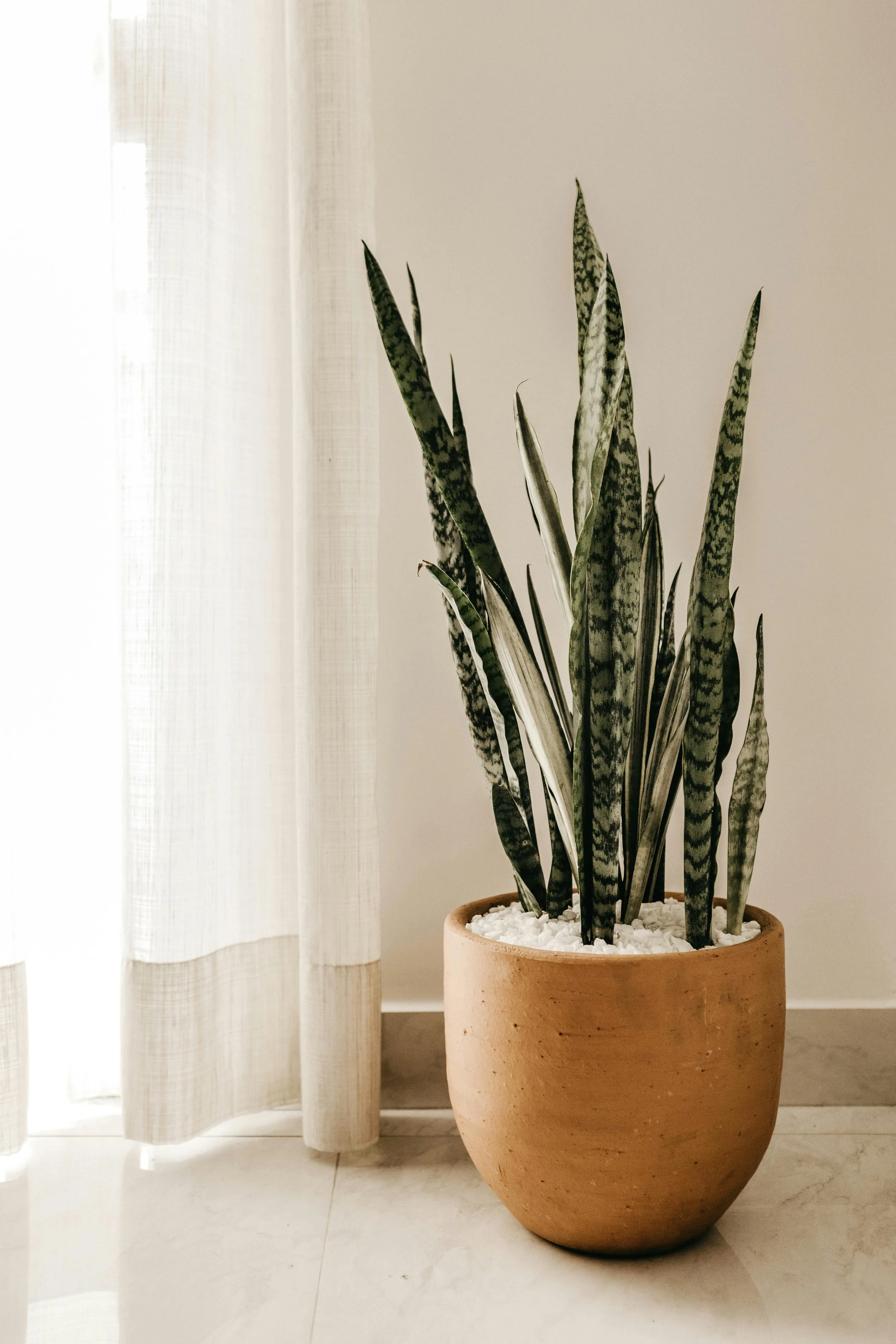
They won’t solve pollution on their own, but they help. And they look good, too. So consider putting a snake plant, peace lily, or areca palm around.
Simple Hacks for City Living
Most Filipinos can’t exactly escape to the mountains or live by the beach just to get clean air. You probably live near a main road, work in a traffic-heavy area, and pass through smoke-filled streets daily. But that doesn’t mean your lungs are doomed.
Here are practical, budget-friendly hacks for protecting your lungs —without quitting your job and selling your house, or living in a bubble.
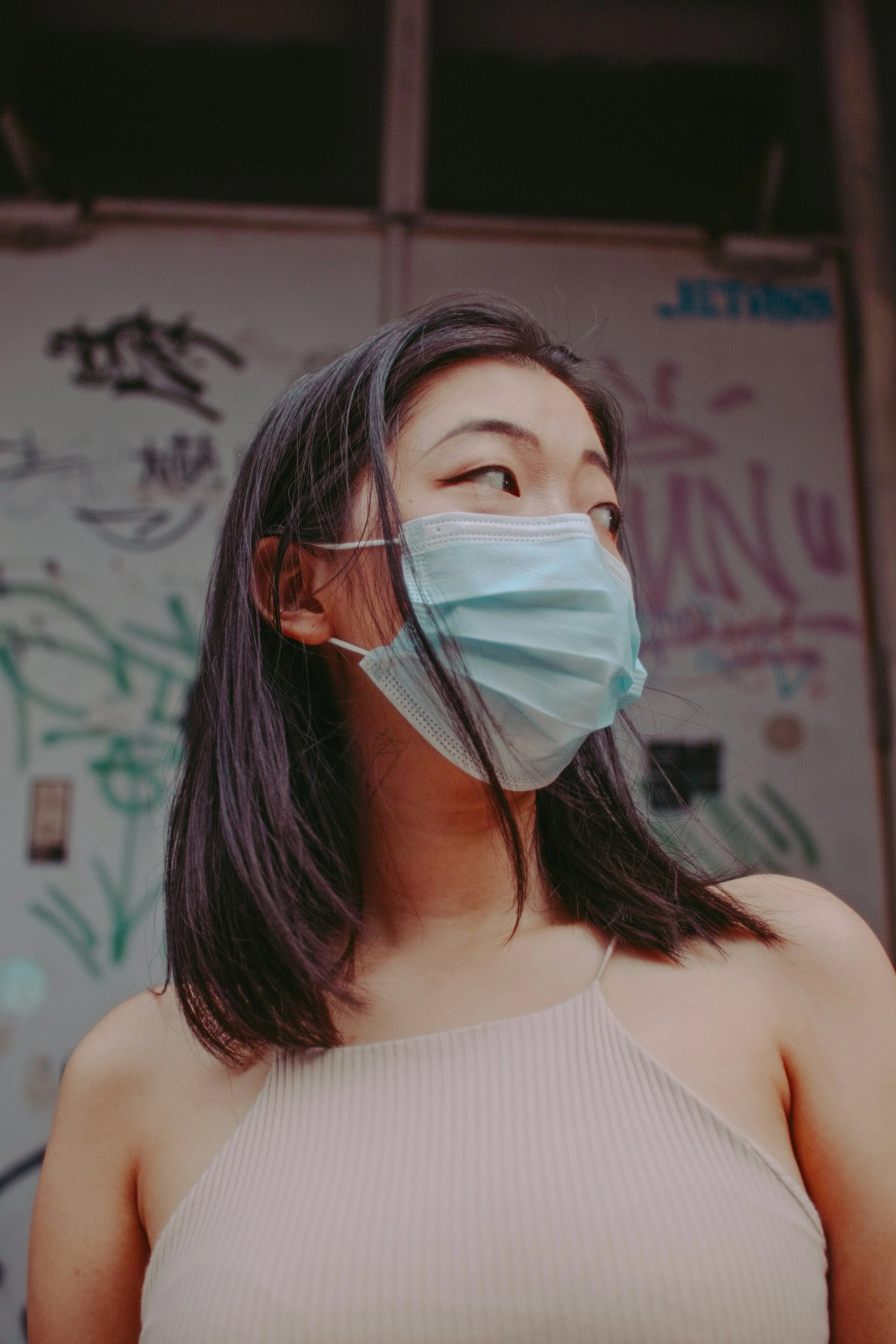
1. Wear the Right Mask… at the Right Time
We’re not talking about pandemic rules anymore. This is about smog defense.
Invest in a reusable KN95 or N95 mask (not the cloth ones—they don’t block tiny pollutants).
Wear it during rush hour commutes, especially when walking near roads or waiting beside idling jeepneys.
Use it when you're cleaning dusty areas or stuck in enclosed spaces with poor airflow.
Even if people stare, let them. They’re breathing in smoke, but you’re being smart.
2. Check the Air Before Going Out
Yes, you can actually see the air quality before stepping outside—just like checking the weather.
Check apps and websites like IQAir that give you the real-time pollution levels in your area. If the levels are red or orange, it’s a high-risk day, so limit your outdoor exposure if possible. Walk on inner roads instead of main highways. Delay that jog until the air is better.
3. Adjust Your Outdoor Activities
Your lungs work harder when you’re active. So if you’re jogging along EDSA at 6 p.m., you’re essentially exercising in a cloud of exhaust.
Jog early in the morning or after a rainfall (when pollution is lower).
Avoid exercising near high-traffic roads or construction sites.
Choose parks, side streets, or indoor workouts where air quality is better.
Your lungs should be building strength—not collecting soot.
4. Ventilate Your Space—Even if You’re in a Condo or Apartment
Open your windows during low-traffic hours (early morning or late evening).
Use exhaust fans in bathrooms and kitchens.
If you can afford it, consider a basic air purifier with a HEPA filter. Even a small unit for your bedroom can make a difference.
5. Hydrate and Steam When Needed
Pollutants dry out your airways. Drinking water keeps your mucous membranes moist, making it easier for your body to trap and remove particles.
At night, use steam inhalation with plain hot water (optional: add a bit of eucalyptus or Vicks). It’s not a cure, but it helps loosen trapped particles and ease breathing.
6. Don’t Create The Pollution That You Yourself Will Breathe In
This one’s simple, but powerful:
Don’t burn trash.
Don’t idle your car with the AC on for 30 minutes in a closed garage.
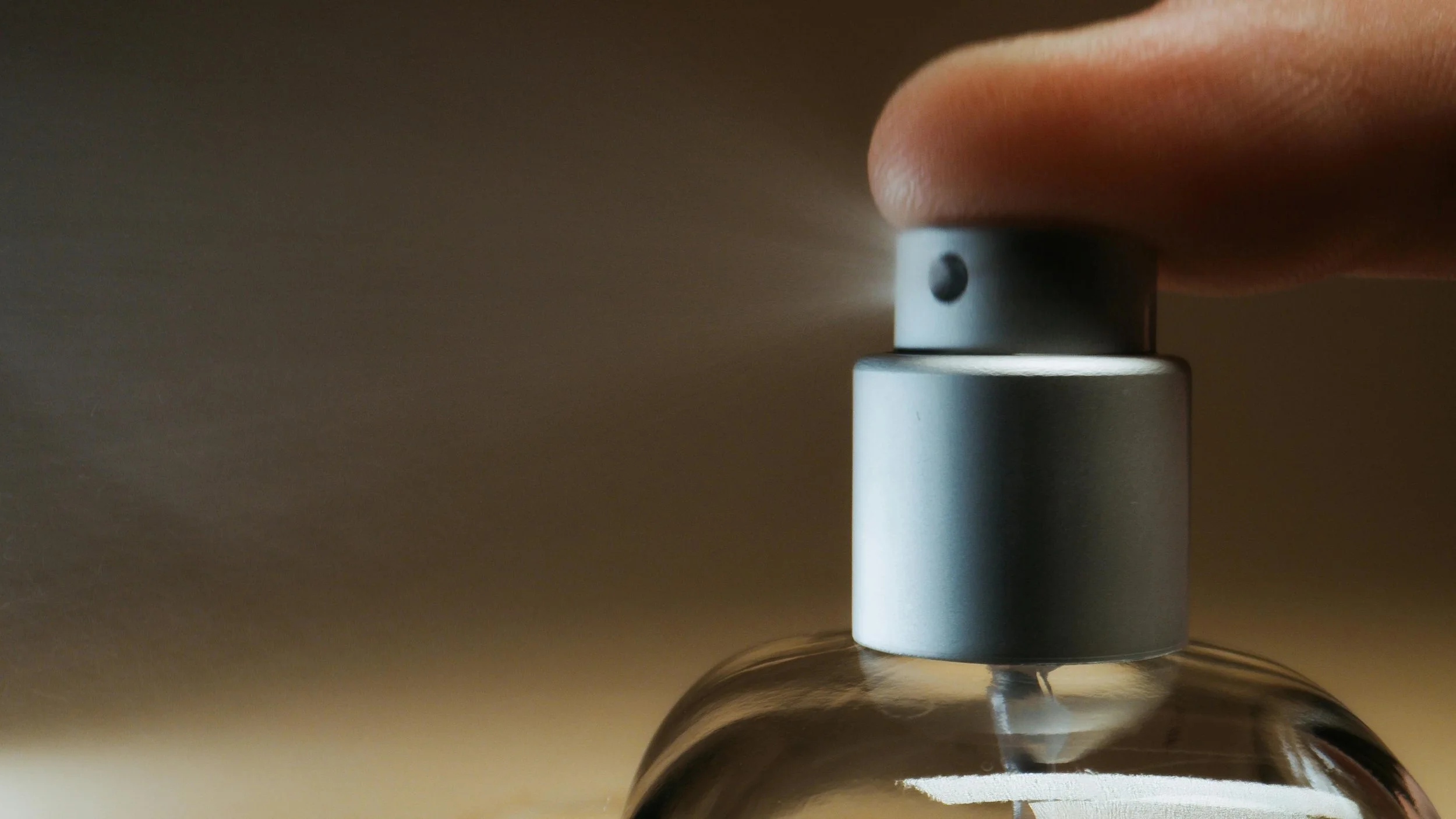
Don’t overuse scented sprays at home.
Every bit of smoke you reduce helps you and the whole family.
7. Eat Right
Vitamin C is known for boosting immunity, but it also plays a key role in protecting lung tissue and reducing inflammation
Omega-3 helps calm down inflammation of the airways.
Antioxidants help fight the oxidative stress caused by dirty air.
Water keeps the mucus in your airways thin, helping your body trap and expel pollutants.
You may not be able to control the city. But you can control how you live in it.
You can’t change the air overnight, but you can take steps to protect your lungs today. Whether it’s upgrading your home ventilation or simply being smarter about your commute.
And when you make even a few of these changes, your lungs will feel the difference.
BloodWorks Lab is your partner in healthy living.
We help you monitor your health by providing checkups and medical screenings tailored to your needs. Blood tests, for example, detect levels of oxygen and inflammation, helping you and your doctor take appropriate action.
We are also the first in the country to offer the Anti Acetylcholine Receptor (IgG) Antibody Test and the Anti N-Methyl-D-Aspartate Receptor (Anti NMDA Receptor) Antibody Test.
Book your appointment today.
Our branches are in Alabang, Katipunan, and Cebu.