

This has nothing to do with the PCOS voting machines we use during elections.
PCOS stands for Polycystic Ovary Syndrome, a hormonal condition.
There is an estimated 4.5 million Filipinas living with PCOS, and that number is increasing and often affects women in their 20s and 30s.
Many women who have it don’t even know they have it. Things only get curious attention when a couple that wants to get pregnant has trouble doing so. According to the World Health Organization, as many as 70% of the cases are undiagnosed.
So what exactly is PCOS?
Is there a cure for it?
Let’s find out.
What Is PCOS?
Chances are, you probably know someone affected by PCOS.
Polycystic Ovary Syndrome (PCOS) is a hormonal condition that affects how a woman’s ovaries work. The condition has 3 main features:

1) Irregular periods
When the ovary releases an egg and it is not fertilized by a sperm, that unfertilized egg is released from the body through the menstrual flow.
Women affected by PCOS have irregular periods because the ovaries do not release eggs regularly.
Instead of the average 28-day cycle, periods are more than 40 days apart. Such that in a year, ladies will have fewer than 9 cycles.
But when the periods do come, they are also longer and heavier than the supposed average.
2) High androgen levels
This is why ovaries don’t release mature eggs regularly.
Androgens are “male” hormones like testosterone, produced in the ovaries, and influence ovulation and the development of follicles. High androgen levels can prevent ovulation, leading to irregular or missed periods (amenorrhea).
And did you know that insulin has a role in this?
It is insulin that stimulates the ovaries to produce more androgen, causing the hormonal imbalance.
So, if a woman has insulin resistance, this means that more insulin is needed to process sugar in the body. As a direct result, androgen production in the ovaries is stimulated.
*(We’ll discuss later how diet can help manage PCOS.)
3) Polycystic ovaries
With ultrasound, doctors can see the follicle cysts (the unreleased immature eggs) in the ovaries.
The ovaries are usually enlarged because of these fluid-filled sacs. But the cysts are neither painful nor dangerous.
Now, knowing the medical criteria helps, but most women first notice PCOS through its signs and symptoms long before any lab test.
Let’s look at how PCOS affects women’s bodies.
Signs & Symptoms
PCOS can show up in different ways, and not all women experience the same symptoms. Some have obvious changes in their cycles or skin, while others only notice subtle shifts.
But here are the most common signs to watch for:
Irregular or absent periods – Skipping months, having very light cycles, or bleeding heavily when your period finally comes.
Difficulty getting pregnant – Because ovulation is irregular, it can take longer to conceive.
Excess hair growth (hirsutism) – Noticeable on the face, chest, stomach, or back due to higher androgen (male hormone) levels.
Hair thinning– Sometimes mistaken as stress-related hair fall.
Persistent acne – Not the occasional breakouts, but frequent, stubborn acne that continues well beyond your teenage years.
Weight gain or difficulty losing weight – Even when you’re mindful of diet and exercise.
Darkened skin patches – Often around the neck, armpits, or groin (a sign of insulin resistance).
Skin tags – Small, soft growths that may appear around the neck or underarms.
Misconceptions About PCOS

PCOS is a complicated issue, and experts are still learning more about it every day.
There are lots of misconceptions around it, so here we’ll set the record straight:
Myth 1: “PCOS means you can’t get pregnant.”
Truth: Many women with PCOS conceive naturally, and others may need some medical support. PCOS makes ovulation less predictable, but it doesn’t erase your chances of becoming pregnant.
Myth 2: “You’ll outgrow PCOS once you get older or have kids.”
Truth: PCOS doesn’t vanish with age or after pregnancy. Symptoms may change over time, but it remains a long-term condition that requires ongoing management.
Myth 3: “Only overweight women get PCOS.”
Truth: While weight gain is common, slim women can also have PCOS. Hormonal imbalance, not body size, is the real driver of the condition.
Myth 4: “It’s just a period problem.”
Truth: PCOS affects more than your menstrual cycle. It’s tied to hormones, metabolism, skin, hair, and long-term risks like diabetes and heart disease.
Myth 5: “PCOS means you’re not disciplined enough.”
Truth: PCOS is not caused by laziness or lack of willpower. Genetics, hormones, and insulin resistance all play a role. Lifestyle changes help, but self-blame is unfair and unhelpful.
Myth 6: “All women with PCOS have cysts in their ovaries.”
Truth: Not every woman with PCOS shows cysts on an ultrasound. That’s why doctors use a combination of symptoms, blood tests, and scans for diagnosis.
Now, this is where it gets tricky. I know we’ve just talked about the 3 major presentations of PCOS: irregular menstrual cycles, high androgen levels, and polycystic ovaries.
But in order to be diagnosed with PCOS, all three need not be present. After ruling out other conditions, according to the Rotterdam Criteria, only 2 out of the 3 features are required to have an official diagnosis.
So yes, women can be diagnosed with PCOS even if they don’t have cysts in their ovaries—as long as they have the other two features.
“Kailan ka magkaka-baby?” (or The Emotional Side of PCOS)
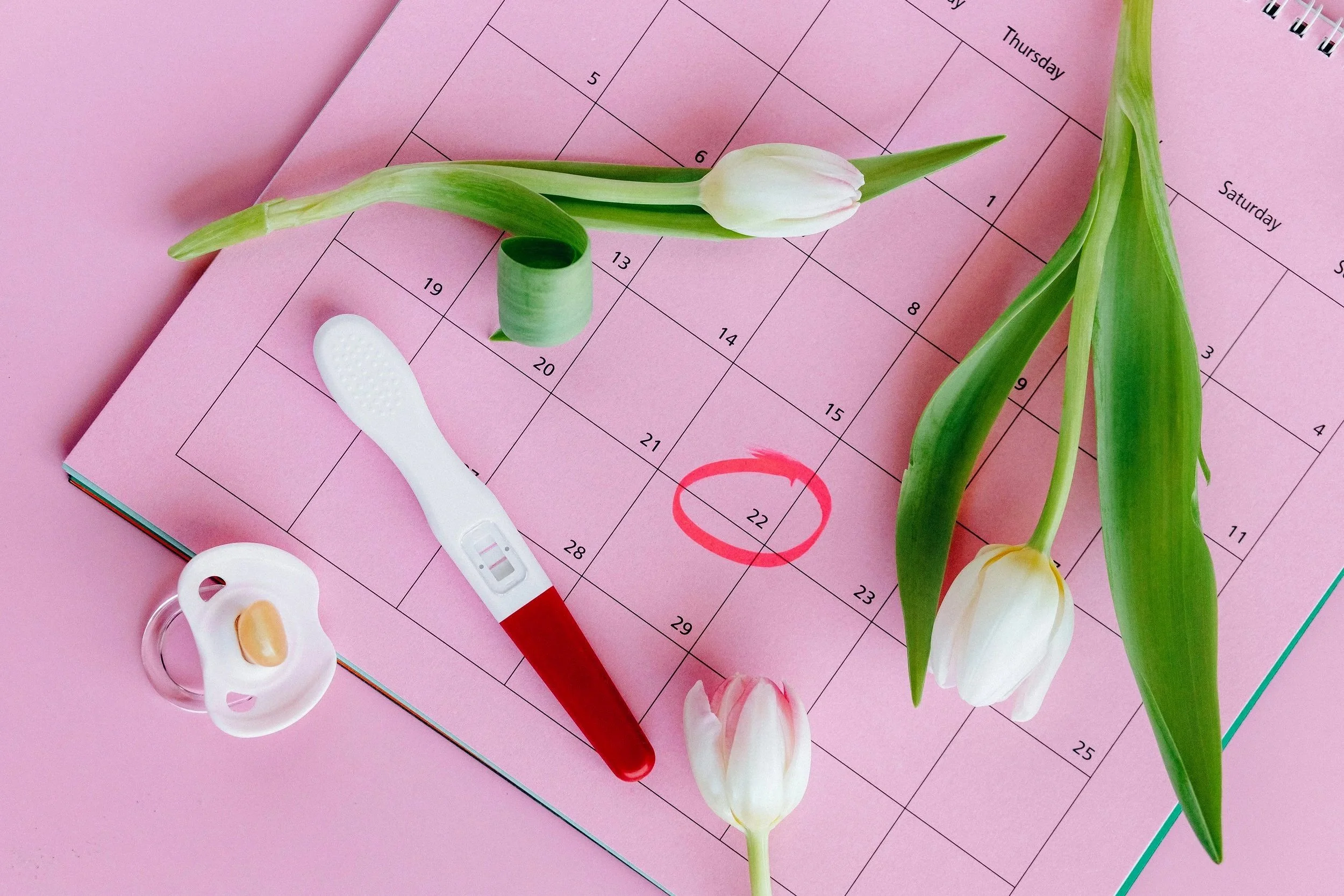
PCOS is often talked about in terms of hormones, cycles, and lab results, but its emotional impact is just as significant.
One of the most challenging aspects is fertility. For couples hoping to conceive, PCOS can make the process emotionally draining.
The repeated cycle of trying, waiting, and receiving negative results often leads to frustration and guilt.
Some women think that their bodies are failing them, as their partners feel helpless, unsure how to provide support beyond words of encouragement. Over time, this can strain the relationship, especially when intimacy starts to feel more like a task rather than an expression of intimacy.
Add to this the day-to-day visible signs of PCOS: unwanted facial or body hair, thinning scalp hair, and persistent acne.
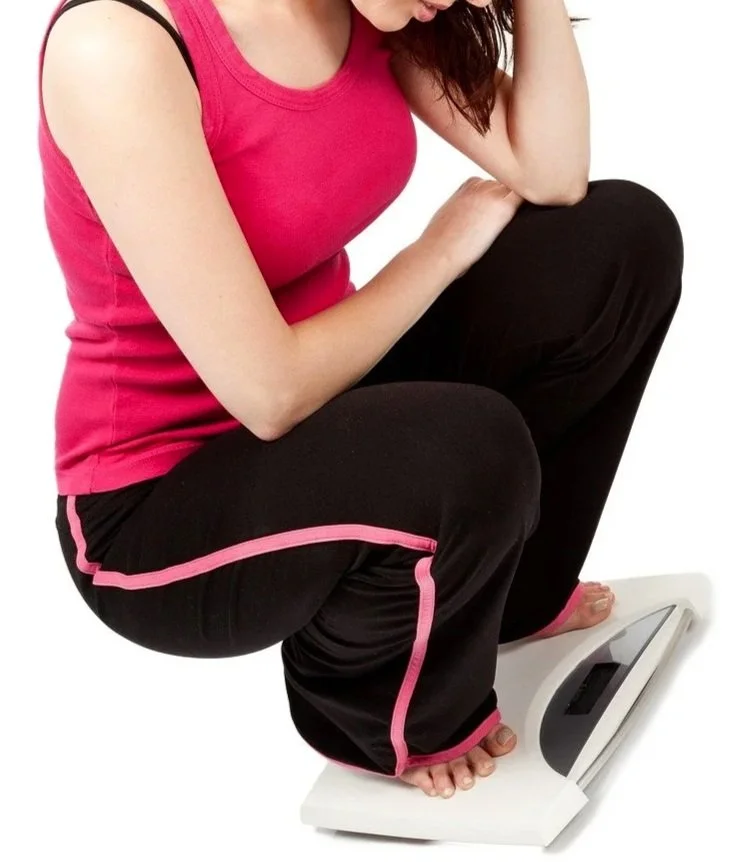
Many women become self-conscious in social situations or less confident at work.
And because PCOS is linked with insulin resistance, weight-related challenges are another source of emotional strain. Women find that they gain weight easily or struggle to lose it despite healthy habits.
So casual remarks like “Uy, tumaba ka” from friends or relatives can feel especially discouraging, even painful.
PCOS may be a medical condition, but its impact extends beyond lab tests and ultrasounds.
Managing PCOS: Two Paths
As of this writing, PCOS doesn’t have a cure, but it can be managed effectively.
And the treatment depends on one’s goals—whether you’re planning to get pregnant soon or not:
If You’re Not Planning to Get Pregnant
For women who aren’t trying to conceive right now, the main goals are to regulate menstrual cycles, manage bothersome symptoms, and protect long-term health.
Here’s what might be included in their PCOS management plan:
· Birth control pills – Help regulate periods, reduce androgen levels, and improve acne.
Hormonal IUDs or implants – Keep the uterine lining healthy and prevent abnormal buildup.
Metformin – Improves insulin sensitivity, helps regulate cycles, and supports weight management.
Lifestyle management – Balanced nutrition, regular movement, and weight control (if needed) lowers the risks of diabetes and heart disease.
Symptom-specific treatments – Dermatological care for acne, hair removal methods for excess hair, and scalp treatments for thinning hair.
If You’re Trying to Get Pregnant

Now, when motherhood is the goal, treatment takes on a slightly different focus. It is now helping the ovaries release eggs more consistently.
So here are some items that might be included in the PCOS management plan:
Ovulation-inducing medications – Such as clomiphene, prescribed by an OB-GYN.
Metformin – Sometimes used to improve ovulation in women with insulin resistance.
Lifestyle adjustments – Even modest weight loss (5–10% of body weight) can improve ovulation chances in some women.
Assisted reproductive techniques – IVF (in-vitro fertilization) may be considered if other options don’t work.
What Stays the Same for Everyone
Whether or not having a baby is in your plans, there are core lifestyle shifts that every woman with PCOS can benefit from.
1. Eating to keep your hormones steady
It’s not about strict diets. It’s about smarter choices. For example:

Fill half your plate with specific, high-fiber vegetables like kangkong, malunggay, or ampalaya. These help regulate blood sugar.
When possible, choose brown rice or quinoa instead of white rice. These moderate insulin spikes.
Pair fruits (like a slice of mango) with proteins (like a boiled egg or a few nuts) so sugar doesn’t hit your bloodstream too fast.
Limit sugary drinks like milk tea or soda to special occasions, since they can worsen insulin resistance.
2. Moving Your Body
You don’t need a gym membership or a strict HIIT program, but move your body in ways that you actually enjoy. What matters more than the type of exercise is the consistency with which you do it.
Try brisk walking for 30 minutes around your neighborhood.
Join a Zumba class with friends.
Riding your bike on weekends.
Even short 10-minute workouts at home following a YouTube video can make a difference.
These activities not only help manage insulin levels. They improve your mood too! So you’re essentially hitting two birds with one stone.
3. Learning to Manage Stress

Stress hormones (like cortisol) can trigger irregular periods and worsen acne or hair growth. Try:
Deep breathing exercises before sleeping.
Listening to worship music, journaling, or prayer for grounding.
Setting aside “tech-free time” in the evening so your body winds down naturally.
If stress feels overwhelming, consider talking to a therapist or counselor. That can be life-changing.
4. Building a healthcare support system
Don’t underestimate the power of community. Joining PCOS support groups online (many Pinays share their routines and recipes on Facebook groups) can help you feel less alone.
Regular visits to an OB-GYN or endocrinologist ensure you’re not guessing about your health.
PCOS can feel confusing and overwhelming. But you don’t have to figure it out on your own. The most important step is to consult your doctor and get the tests to get a clearer picture of what’s happening in your body.
No two women experience PCOS in exactly the same way, which is why professional guidance matters.
With the right support, PCOS becomes something you can manage with confidence, rather than something that manages you.
BloodWorks Lab is here for the Filipina. We are your one-stop shop for all your PCOS and fertility-related tests.
We are also the first in the country to offer the Anti Acetylcholine Receptor (IgG) Antibody Test and the Anti N-Methyl-D-Aspartate Receptor (Anti NMDA Receptor) Antibody Test.
Book your appointment today.
Our branches are in Alabang, Katipunan, and Cebu.