

A young marathon runner collapses mid-race.
A slim office worker finds out she has type 2 diabetes.
A gym bro suffers a heart attack.
I’m sure you’ve heard these stories or even know someone who “unexpectedly” passed away.
These cases seem counterintuitive because most of us have been conditioned to think that they are supposed to be healthy individuals.
But reality is more complicated. Looking slim or muscular on the outside doesn’t guarantee health on the inside.
There are plenty of Filipinos (and millions worldwide) who appear to be fit but are at risk of diabetes, hypertension, stroke, and heart disease.
In this article, we’ll explore why “fit” people are not immune to such diseases, and what everyone—regardless of size—should know about protecting their health.
The Myth of Fit

Looking lean is not synonymous with being healthy.
We’ve always considered body size as the ultimate marker for health. If someone is slim, they’re considered healthy. If someone is overweight, then they need to shed the pounds…fast.
But equating slimness with good health is a dangerous oversimplification. Yes, excess body fat does increase the risk for diseases, the studies have shown that, but being lean doesn’t give one a free pass either.
Body weight is just one piece of the puzzle, and it can often be misleading.
Consider two patients: one is overweight but active, eating balanced meals and getting regular checkups. The other one is slim but sedentary, living on processed foods and barely sleeping. The scale might favor the second person, but who do you think has more health risks?
Research has shown that as many as 30% of people with a normal body mass index (BMI) still have metabolic issues such as high blood sugar, abnormal cholesterol, or elevated blood pressure.
In short, these folks have a normal weight, but are metabolically unhealthy. There are a lot of these Filipinos walking around. They don’t fit the stereotypical profile of someone at risk.
The danger here is twofold. First, slim individuals may not get screened as often, leading to late diagnoses. Second, they may underestimate their own risk and fail to adopt healthier habits.
So on the outside, they look fine and healthy…but trouble is brewing inside
“TOFI” Ka Ba? (Thin Outside, Fat Inside)

Doctors sometimes use the phrase “TOFI” (Thin Outside, Fat Inside) to describe people who look lean but carry an unhealthy amount of fat in places we can’t see.
Unlike the fat under the skin that’s easy to notice, this is hidden fat. We call it “visceral fat,”—which is usually found wrapped around the liver, pancreas, intestines, and other vital organs.
Visceral fat is dangerous because it doesn’t just sit there quietly. It behaves like an active organ-- releasing chemicals and hormones that do gradual damage to the body, like triggering inflammation, raising blood pressure, and making the body resistant to insulin.
(Let that sink in. This kind of fat is actively working against you.)
So if you’re wondering how a thin person can have diabetes or heart disease, visceral fat is one of the easy culprits.
Over time, the actions of this “active fat” can pave the way for type 2 diabetes, fatty liver disease, and heart problems…even if the person looks fine outside. So even if an individual has a normal BMI, if he has high visceral fat (inside), he is at risk for a host of metabolic diseases.
Think of two people with the same body weight: One has their fat mostly under the skin, giving them a plumper appearance. The other looks slim but has fat packed tightly around the organs (high visceral fat).
The second person is actually at greater risk, even though the first appears heavier.
Have you seen people who have relatively lean arms and legs but have a “spare tire” around the belly?
Now, a part of that is simple belly fat, which is subcutaneous and lies under the skin. But the other part is visceral fat, which is wrapped around the different organs of the abdominal cavity.
Since we can’t see visceral fat, doctors are turning to measures like the waist-to-hip ratio and the waist-to-height ratio to assess visceral fat.
According to the World Health Organization, a waist-to-hip ratio of over .85 (for women) and .90 (for men) indicates high abdominal obesity.
The ideal waist-to-height ratio, on the other hand, must not exceed .5.
Studies have found that normal-weight individuals with central obesity (belly fat) had a higher risk of death from heart disease than people who were overweight but carried fat more evenly.
In short, the real threat isn’t just how much fat you have, but where it’s stored.
Individuals who looked fit or slim on the outside did not develop diabetes or suffer heart attacks seemingly “out of the blue.” They’ve been living with hidden metabolic risks that simply didn’t show on the outside.
Genetics and Family History

Genetics also plays a powerful role in determining who develops what conditions.
Take diabetes as an example. Someone may eat moderately and maintain a normal weight but still struggle with insulin resistance if they inherited a genetic tendency toward it.
In fact, studies show that if one parent has type 2 diabetes, the child’s risk of developing it is about 40%. If both parents have it, the risk rises to as high as 70%. For these individuals, weight is less of a deciding factor than family history and genetic makeup.
The same holds true for heart disease. Certain gene variants can influence cholesterol metabolism, blood clotting, or blood vessel health.
This means a slim person with unfavorable genes may develop a heart attack earlier than an overweight peer without those risk factors.
Hypertension also runs in families, and slim people with a strong genetic predisposition may find their blood pressure rising even with healthy habits.
Ethnicity adds another layer. Research has shown that South Asians, East Asians, and Filipinos are at higher risk of diabetes and cardiovascular disease even at lower body weights compared to Westerners.
In these populations, genetic predisposition combines with cultural dietary patterns and body fat distribution to heighten vulnerability.
This doesn’t mean that slim people with “bad genes” are destined to get sick. But it does mean they can’t afford to ignore the possibility.
Lifestyle Factors

Slimness and muscles can often mask unhealthy habits. Just because someone wears a smaller clothing size doesn’t mean their body is functioning well on the inside.
Lifestyle choices—diet, exercise, stress, and sleep—can quietly set the stage for disease, no matter what the scale or the mirror says.
Here are some archetypes of skinny people with unhealthy habits:
1) The Skinny Junk Food Eater
Picture a young man in his 20s who eats fast food daily and never gains a pound. Friends envy his metabolism. But beneath the surface, his pancreas is working overtime to process the sugar, and his arteries are slowly stiffening from years of processed fats.
By the time he turns 35, his blood sugar is already in the prediabetic range. His slim build gives him a false sense of security.
2) The Sedentary Professional
Then there’s the slim office worker who spends 10 hours a day in front of a computer. She rarely exercises, yet stays lean because she skips meals or has a naturally small appetite. Her body looks fine on the outside, but she has little muscle mass.
But low muscle mass means her body struggles to manage blood sugar efficiently, raising her risk for insulin resistance and diabetes.
3) The Stressed-Out High Performer
Consider the entrepreneur who lives on coffee and deadlines. He’s lean, runs on adrenaline, and barely sleeps. The constant stress keeps his cortisol levels high, which elevates blood pressure and encourages fat buildup around the organs (even though his pants size hasn’t changed).
One night, he feels chest pain, and the doctor warns him that he’s already at risk for heart disease.
4) The Sleepless Caregiver
Think of a mother who stays up late caring for her children and aging parents. She eats irregularly, rarely gets restorative sleep, and often feels exhausted. Her slim body hides the fact that her blood pressure is creeping upward, and her cholesterol is borderline high. Without intervention, she’s heading toward hypertension.
These cases illustrate a critical point: lifestyle can be just as damaging as excess weight. Being slim doesn’t cancel out the effects of poor diet, inactivity, stress, or sleep deprivation. Over time, the body keeps score.
Viewed from this perspective, strokes and heart attacks don’t really come out of the blue, do they?
Each of these individuals is a ticking time bomb.
Hidden Biomarkers of Risk
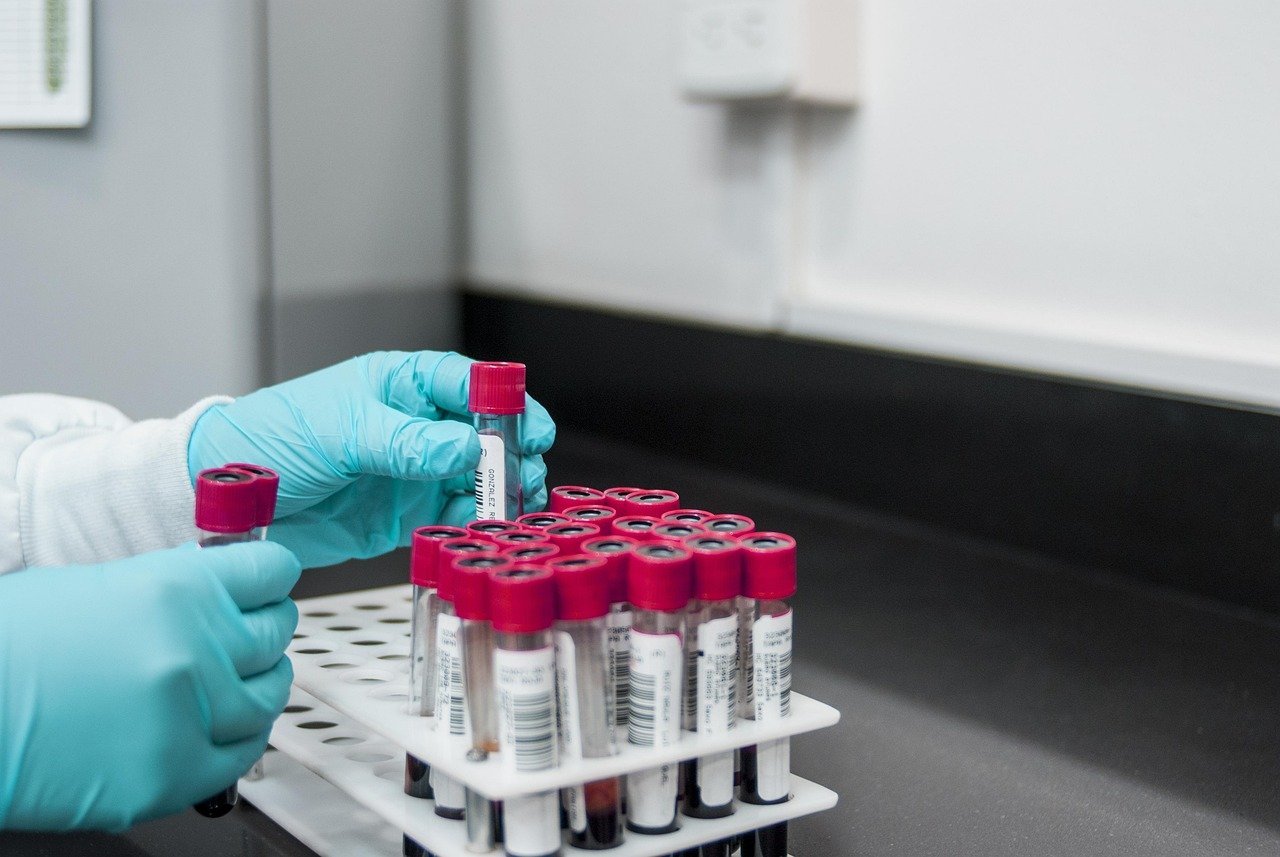
So if health can’t always be seen from the outside, and short of scanning/imaging organs for visceral fat, what “biomarkers” on the inside should we be looking for?
Blood Pressure: High blood pressure isn’t exclusive to people who are overweight. Even slim individuals can experience creeping numbers over time due to stress, genetics, or hidden salt sensitivity. Aim for a BP of 120/80 mmHg. Anything consistently higher needs attention.
Blood Sugar Levels: Type 2 diabetes often goes unnoticed in slim people until it’s advanced. Make sure to have your fasting blood sugar tested regularly, especially if you have a family history.
Cholesterol and Triglycerides: You might look muscularly toned on the outside. But it doesn’t mean your arteries aren’t clogged with “bad” cholesterol and triglycerides. Get a lipid profile that includes HDL, LDL, total cholesterol, and triglycerides.
Liver Health: Fatty liver disease can occur in people with poor diets and heavy alcohol use. Check for liver function as well.
Inflammatory Markers: Subtle inflammation can drive cardiovascular risk even when weight is normal. Check your C-reactive protein (CRP) levels, especially if you have a family history of heart disease.
Fitness Markers: Muscle mass, endurance, and strength matter more than weight alone. This you can’t determine with a blood test. But can you do a brisk 30-minute walk without fatigue? Do you engage in strength training at least twice a week?
Regular checkups and lab tests are the only way to know what’s really happening inside your body. Don’t let the illusion of health fool you.
Bloodworks Lab helps you know where your health really stands. We are your one-stop shop for all your blood test needs, offering tailored checkup packages, medical screenings, and assessments.
BloodWorks was the first in the country to offer the Anti Acetylcholine Receptor (IgG) Antibody Test and the Anti N-Methyl-D-Aspartate Receptor (Anti NMDA Receptor) Antibody Test.
Our friendly staff is at your service. Book your appointment today.
Our branches are in Alabang, Katipunan, and Cebu.