

Did you know that appliances and equipment in your home have a maintenance schedule?
Your manual reminds you when your car is due for an oil change. Even your phone tells you to install a needed update.
Our bodies are the same way.
We need regular checkups to “look under the hood” and catch problems before they get serious.
Unfortunately, most of us have no idea when exactly we’re supposed to come in to get checked.
In this post, we’ll look into the “when” and “how” of 10 of the most common checkups and answer questions like:
“How often should I have my cholesterol checked?”
“When should colonoscopy assessments begin?
“At what age does a mammogram become important?”
Because when it comes to our health, it’s not just whether you get screened or not. The timing is also very important.

There’s No One-Size-Fits-All Schedule. Here’s Why…
On screening schedules, we need to ask: When does a particular disease become common enough or dangerous enough that looking for it makes sense?
Take cervical cancer, for example. Screening begins much earlier than colon cancer because the disease often starts with slow-growing, precancerous changes that can be detected years before cancer develops.
Colon cancer, on the other hand, becomes much more common later in adulthood, which is why routine screening usually starts around age 45 for people at average risk.
Risk factors can also move that schedule forward. If your father was diagnosed with colon cancer at 48, your doctor may recommend screening years earlier than the general population.
A woman with a strong family history of breast cancer may also need to come earlier and more frequently. The same goes for people with diabetes, hypertension, or chronic kidney disease.
Some tests belong in your annual game plan. Others come around every few years. A few may only be needed once you reach a certain age or if your personal risk changes.
It’s best to have the discussion with your doctor…someone who knows your specific conditions, risks, and family history very well.
10 Tests…10 Tools
#1 Blood Pressure Screening
High blood pressure is dubbed “the silent killer” for a reason. Most people don't feel it. You can go to work, exercise, sleep well, and carry on with your day while high blood pressure is slowly damaging your arteries, heart, brain, kidneys, and even your eyes.
Blood Pressure Screening is recommended for: All adults aged 18 and above.
How often: Once a year if your blood pressure is normal, but more frequently if it’s elevated or if you have conditions like diabetes, kidney disease, or heart disease.
#2 Complete Blood Count (CBC)

The Complete Blood Count, or CBC, is one of the most commonly requested blood tests because it provides a broad look at what is happening inside the body.
Unlike some conditions that develop slowly over many years, changes in blood composition can happen more quickly. This is why doctors may request a CBC when someone has unexplained fatigue, frequent infections, unusual bruising, prolonged fever, or changes in overall health.
For example, a person who feels constantly exhausted may assume they need more sleep or less stress. But a CBC might reveal iron-deficiency anemia. Another who keeps getting infections may have an abnormal white blood cell count that requires further attention.
A CBC provides important clues and is a starting point for doctors to understand what’s going on.
Complete Blood Count is recommended for: Regular annual check-ups. It is used by doctors when they need to monitor an existing condition. CBCs are also taken when patients who are sick have symptoms that suggest a blood-related diagnosis.
How often: There is no universal schedule for everyone. Frequency depends on your health status, symptoms, and medical history. A Complete Blood Count (CBC) gives out a wealth of information, so doctors often rely on it to reach a medical diagnosis.
#3 Blood Sugar Screening

According to the International Diabetes Federation, 1 in 9 of adults worldwide are living with diabetes, and 40% of them are unaware they have the condition. In the Philippines, diabetes continues to be a growing health concern, partly because many people only get tested after serious symptoms appear.
According to the Philippine College of Endocrinology, Diabetes and Metabolism, diabetes is the leading cause of non-traumatic blindness as well as amputations in the country, signaling the strong need for early blood sugar screenings.
The tests for blood sugar include:
1) Fasting Blood Sugar (FBS): This measures your blood glucose after you have not eaten for a certain period, usually 8–10 hours.
2) Random Blood Sugar (RBS): Measures blood sugar level, but without fasting.
3) HbA1c (Glycated Hemoglobin): Unlike the previous methods, which show your glucose level at one moment, HbA1c provides an estimate of your average blood sugar over the past two to three months.
Blood Sugar Screening is recommended for: Most adults starting around age 35, or earlier for people with higher risk factors.
How often: Usually every 1–3 years if results are normal. People with prediabetes, diabetes, or higher risk may need testing more frequently.
#4 Cholesterol Screening
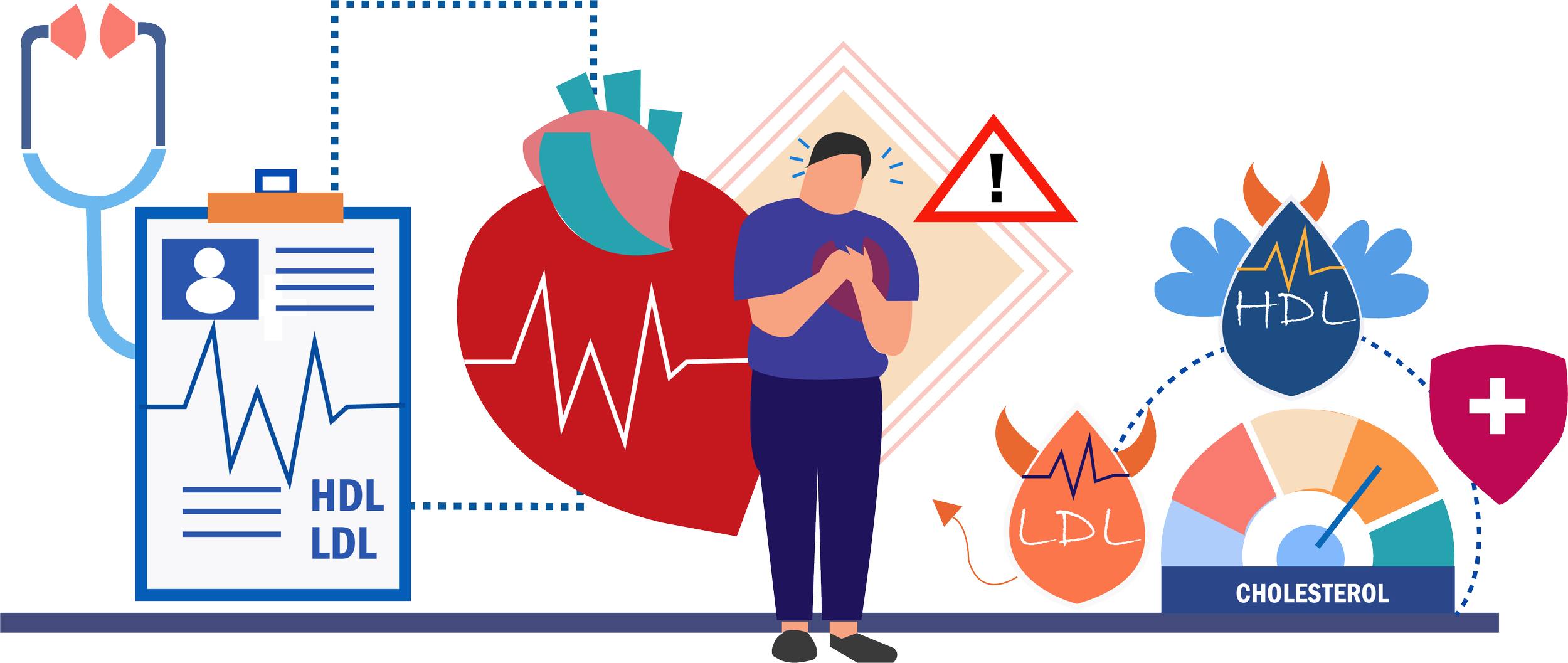
There’s no headache, no warning pain, and no obvious sign, but plaque may already be building inside your arteries. You can feel perfectly fine, but have cholesterol levels that are increasing your risk of heart attack and stroke.
A lipid profile measures different types of fats in your blood, including:
1) LDL cholesterol (“bad cholesterol”) — can contribute to plaque buildup in arteries.
2) HDL cholesterol (“good cholesterol”) — helps transport cholesterol away from arteries.
3) Triglycerides — another type of fat that can rise with excess calorie intake, obesity, diabetes, and certain lifestyle factors.
4) Total cholesterol — the overall amount of cholesterol in your blood.
Cholesterol Screening is recommended for: Adults, from 19 years old.
How often: Every 5 years for healthy adults with normal results. More frequent testing may be needed for people with high cholesterol, diabetes, heart disease, or other risk factors.
#5 Kidney Function Tests
Kidneys filter waste and extra fluid from the blood and maintain chemical and fluid balance. They’re like the quality-control managers of the body, making sure what stays in the blood is useful and what’s harmful gets sent out.
In short, kidneys are critical to staying healthy…and alive.
Early detection matters because kidney damage caught early can be slowed through better control of blood pressure, blood sugar, diet, and medications.
The different kidney tests include:
1) Serum Creatinine: Creatinine is a waste product and is normally removed from the blood. When kidney function declines, creatinine levels can rise.
2) Estimated Glomerular Filtration Rate (eGFR): eGFR estimates how well your kidneys work. A lower eGFR may indicate reduced kidney function.
3) Urine Tests: Doctors may also check urine for protein leakage, blood, and other abnormalities
Kidney Function Test is recommended for: Adults in their 40s with risk factors such as diabetes, high blood pressure, heart disease, obesity, family history of kidney disease, or those taking medications that may affect kidney function.
How often: An annual test is recommended, especially for people at risk.
#6 Liver Function Tests

The liver has over 500 functions in the body, from filtering toxins in the blood to storing energy. And one of the biggest misconceptions about it is that liver disease only happens to people who drink heavily.
But alcohol is only one possible cause. A growing number of people develop fatty liver disease, where excess fat builds up inside liver cells, and can occur even in people who rarely drink.
A liver panel usually measures substances like SGPT or ALT (Alanine Aminotransferase) and SGOT AST (Aspartate Aminotransferase). These enzymes are normally found inside liver cells. When liver cells are damaged, these enzymes leak into the bloodstream.
Bilirubin, albumin, and total protein are also looked into. These help show how well the liver is performing its functions.
Liver Function Test is recommended for: Adults in their 40s, especially those with risk factors like obesity, diabetes, high cholesterol, regular alcohol intake, hepatitis risk, and long-term use of medicines that affect the liver.
How often: Screening can be done every 2 to 3 years as part of a routine wellness checkup.
Women's Screenings
Women go through different health risks at different stages of life. A test that’s optional at 25 may become vitally important at 55.
#7 Pap Smear
Cervical cancer is one of the cancers where screening can make a dramatic difference because it often develops slowly. In many cases, normal cervical cells gradually change into precancerous cells before cancer develops.
A Pap smear helps doctors find these changes early, often years before they become dangerous.
If precancerous cells are found, they can often be monitored or treated before they progress.
Pap Smears are recommended for: Women starting at age 21 onward.
How often: Every 3 years for women ages 21–65 with normal results.
#8 Mammogram

Many think they only need a breast check if they find a lump. The problem is that some breast cancers are too small to feel during a self-exam.
A mammogram uses low-dose X-rays to detect changes in breast tissue, including small tumors or abnormal areas that may not yet cause symptoms.
Breast cancer is the most common type of cancer in the country. And according to PhilHealth, only 1% of Filipino women have been screened for breast cancer, and the majority of the cases are diagnosed too late.
According to the World Health Organization, around half of the breast cancer cases “have no identifiable risk factor”…other than being a woman at least 40 years old.
This points to the importance of early detection. Finding cancer earlier can open the door to more treatment options and may reduce the need for more aggressive treatments.
The risk increases with age, which is why routine mammography becomes more important later in adulthood.
Mammograms are recommended for: Women starting at age 40.
How often: Every 1–2 years for women 40 and up.
Men's Screening
#9 Prostate Screening
The prostate is a small gland located below the bladder. As men age, changes in the prostate become more common. Some are harmless, such as benign prostate enlargement, while others may require closer monitoring.
Prostate cancer is the 3rd most common type of cancer in men. According to the DOH, it affects almost 20% of every 100,000 Filipino men. This is why screening is encouraged based on risk rather than on symptoms.
Men who are at risk include those with a family history of the condition, men 50 and up, and those who have been exposed to chemicals at work.
The PSA Blood Test looks into the amount of PSA or Prostate-Specific Antigen that circulates in the blood, where higher levels indicate issues with the prostate.
Prostate Screening is recommended for: Men when they reach the age of 40, especially those at risk. Men with a higher risk, like those with a family history, may need to discuss early tests with their doctor.
How often: Every 3-5 years, depending on age, family history, and previous test results.
#10 Screenings That Become More Important After 50

Reaching your 40s and 50s does not automatically mean you are unhealthy. But it is the stage of life when the risk of several conditions begins to increase. That said, certain screenings become more valuable.
These tests include:
Colonoscopy: A colonoscopy allows a doctor to directly examine the inside of the colon using a thin, flexible camera.
Glaucoma Screening: Glaucoma is a group of eye diseases that can damage the optic nerve. One of the biggest concerns is that by the time a person notices vision loss, permanent damage may already have occurred.
Hearing Tests: Hearing loss is often so gradual that people adjust without realizing how much they are missing. While age-related hearing changes are common, hearing problems can easily affect quality of life.
Have these tests at least once when you get around 50. From there, and depending on your results, your doctor can tell you how often in the future you should do them.
You maintain your car or your house because you know small problems can become expensive repairs if not managed properly. Your health deserves the same attention. Know which tests you need, know when you are due, and make regular screenings part of a healthy lifestyle.
Bloodworks Lab offers checkup packages that help monitor your health and “look under the hood.” We are your one-stop shop for all your medical screenings and assessments.
Book your appointment today.
Our branches are in Alabang, Katipunan, and Cebu.