
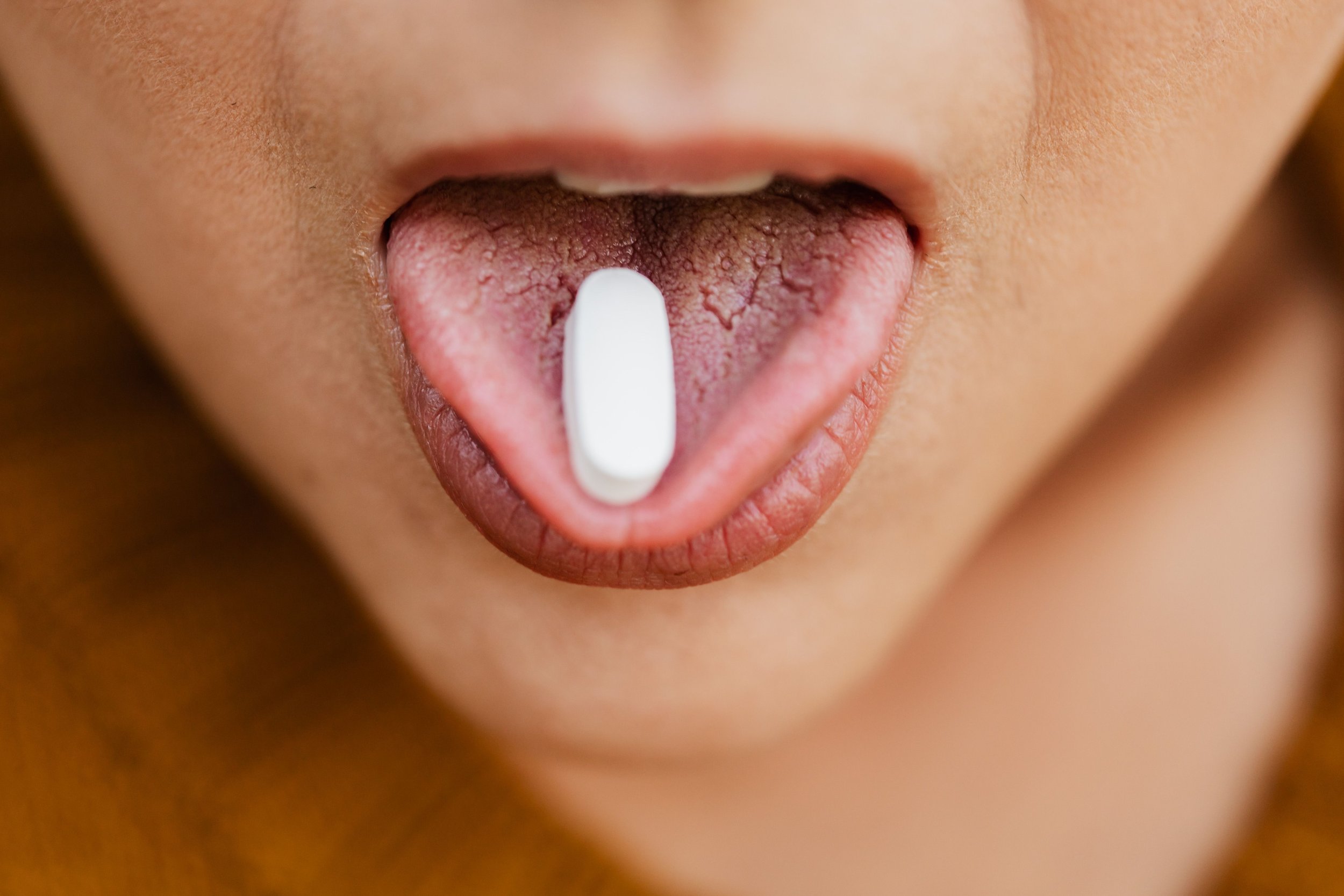
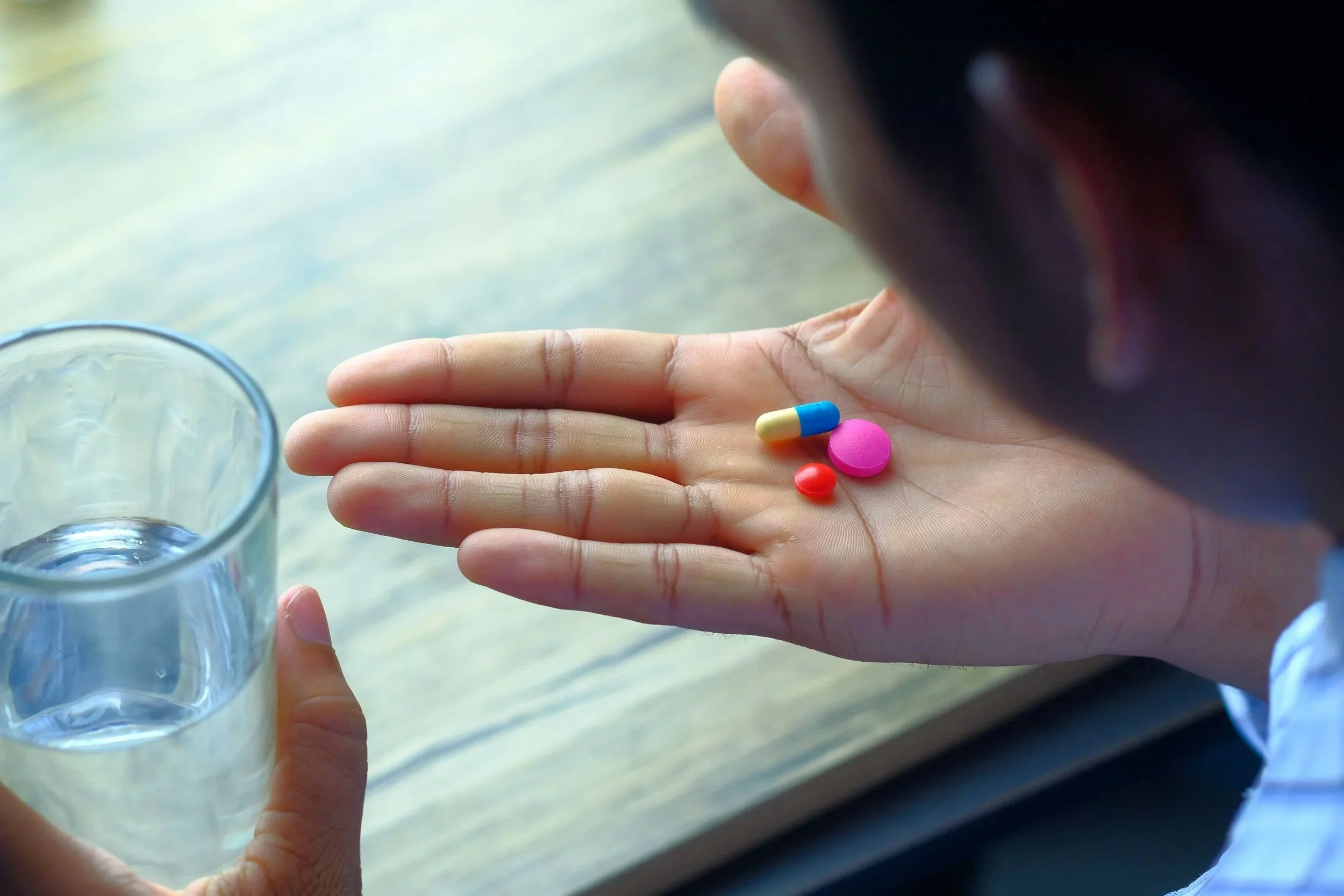
People often have a love-hate relationship with medicines.
Meds help us get better, but we hate how they’re so tightly regimented and how we need to take them exactly as prescribed.
So many have a fast and loose attitude with the pills and tablets they’re taking, improvising like seasoned medical practitioners with degrees from Harvard and UP.
So in this post, we’re going to talk about the different ways people are doing “hocus-pocus” with their meds, and how these practices backfire and cause harm.
#1 Self-Medication: The “Doctor” is doctoring
Self-medication is remarkably tempting, easy, and oftentimes, logical.
You wake up with a vaguely familiar headache. It feels like the one you had a few months ago.
You remember what you took last time, and it worked!
So you take the same tablet…problem solved.

Except…you don’t actually know if the headache this morning is really the same as the one before.
When you really think about it, a headache can come from any number of reasons: lack of sleep, dehydration, migraine, infection, medication overuse, or many other causes. Just as a cough can come from a cold, allergies, asthma, reflux, or an infection.
Symptoms that feel familiar can have very different causes.
Just because a relative says, “Ito iniinom ko pag ganyan” or someone posts something online, doesn’t mean it’s the answer to your malady.
Sometimes the medicine may be appropriate. Sometimes it isn't.
Self-medication can be harmful, and as you will soon see, folks have very interesting ways of playing doctor.
THE HARM:
You can treat the wrong problem. You can delay the right treatment.
Self-medication doesn't always cause immediate harm. Sometimes the medicine does nothing. Sometimes it helps the symptom temporarily. The bigger concern then is what’s happening underneath, what’s being left untreated.
For example, if a symptom keeps coming back, masking it with medicine can give you a false sense that the condition is under control. Meanwhile, the actual problem festers and gets more complicated, causes more damage, and gets more difficult to treat.
For symptoms that keep coming back, give your doctor a visit and get an actual diagnosis from a medical professional, as well as a more appropriate and effective treatment.
#2 Self-dosing: The Mathematician is Mathing
“Isa lang muna. Malakas kasi.”
“Dalawa na lang para mas mabilis.”
“Every other day na lang para makatipid.”
“Na-miss ko kahapon. Dalawang dose na lang ngayon.”

Many can be remarkably creative when it comes to medicines, playing amateur mathematicians/pharmacists.
Unfortunately, a prescription is not a suggestion.
The doses are chosen for a specific reason, and it can depend on the medicine itself, the condition being treated, your age, body size, other medicines you take, and how your body processes the drug.
THE HARM:
Taking less than prescribed may mean you are not getting enough medicine to actually treat or control the condition.
When medicines are expensive, it is understandable that people may try to stretch them. A tablet becomes half a tablet. Three prescribed doses become two. A month's supply gets turned into six weeks.
But stretching out your meds can mean making them less effective.
And never assume that a tablet can safely be split just because there's a line down the middle. Some tablets can be split, while others should never be cut, crushed, or altered. (Ask your doctor or read up on the manufacturer’s guidance.)
And how about timing?
Some medicines need to be taken at specific intervals to keep an appropriate amount of the drug in your body. Others need to be taken with food, on an empty stomach, or at a particular time of day.
So when you say, “Okay lang siguro kahit mamaya na,” it’s really not a harmless adjustment.
So what happens when you miss a dose?
There is no universal rule that says, “Nakalimutan ko, so doblehin ko na.”
What you should do after missing a dose depends on the specific medicine. Some instructions say to take it when remembered unless it is almost time for the next dose. Others have different instructions.
(Taking more does not necessarily make them work faster or make up for the missed dose. It can instead increase the risk of side effects or overdose.)
The safest move is to check the medicine's instructions or ask your doctor or pharmacist rather than improvising.
A prescription is a specific set of instructions, not a rough estimate. If the dose is too expensive, difficult to follow, or causing side effects, tell your doctor. There may be a safer way to adjust the treatment.
But don't become your own pharmacist simply because you know how to count tablets.
#3 Stopping the Medicine When One Feels Better

This is another kind of “self-medication” and deserves its own spot because of the seriousness of the potential harm.
Feeling better does not always mean the underlying problem has been completely resolved.
This is especially easy to get wrong with antibiotics and “maintenance medicines.”
Someone with high blood pressure takes their medicine regularly, sees a better reading, and thinks, “Okay na. Normal na.”
So they stop.
The problem is that the medicine, in all likelihood, is the reason the blood pressure is under control. Without it, the chronic condition has free rein (that’s why they’re called “maintenance medicines”).
The same can be said for medicines used to manage diabetes, cholesterol, seizures, and other long-term conditions. The “normal” reading doesn’t mean you get off the meds. It means they’re working.
Then there’s antibiotics.
Say, you’ve been prescribed an antibiotic. A few days later, the fever is gone, and you feel much better. You feel on top of the world and decide, “Okay na! Sayang naman yung natira.” So you keep the remaining doses for later.
Looks harmless, right?
Wrong!
If an antibiotic has been prescribed, you have to take it exactly as directed by your doctor. Finish the course of treatment, and don't stop, extend, or change the regimen on your own. Don't save the leftovers for the next time you get sick.
THE HARM:
Antibiotics are used for bacterial infections. Feeling better does not mean all harmful bacteria are gone. Incomplete treatment can leave surviving bacteria. The remaining bacteria can multiply and bring the infection back. And usually, when they come back, they come back with a vengeance, stronger and more resistant to previous treatments.
This means they’re harder to treat the next time around. That’s antibiotic resistance in a nutshell, where, over time, bacteria learn to survive the medicines designed to kill them.
This phenomenon is so serious that the World Health Organization has been warning about the misuse of antibiotics. The world body has seen, between 2018-2023, a 40% rise in antibiotic resistance for pathogen-antibiotic combinations. And guess where the highest rise took place…in Southeast Asia.
#4 “Combo Meals”
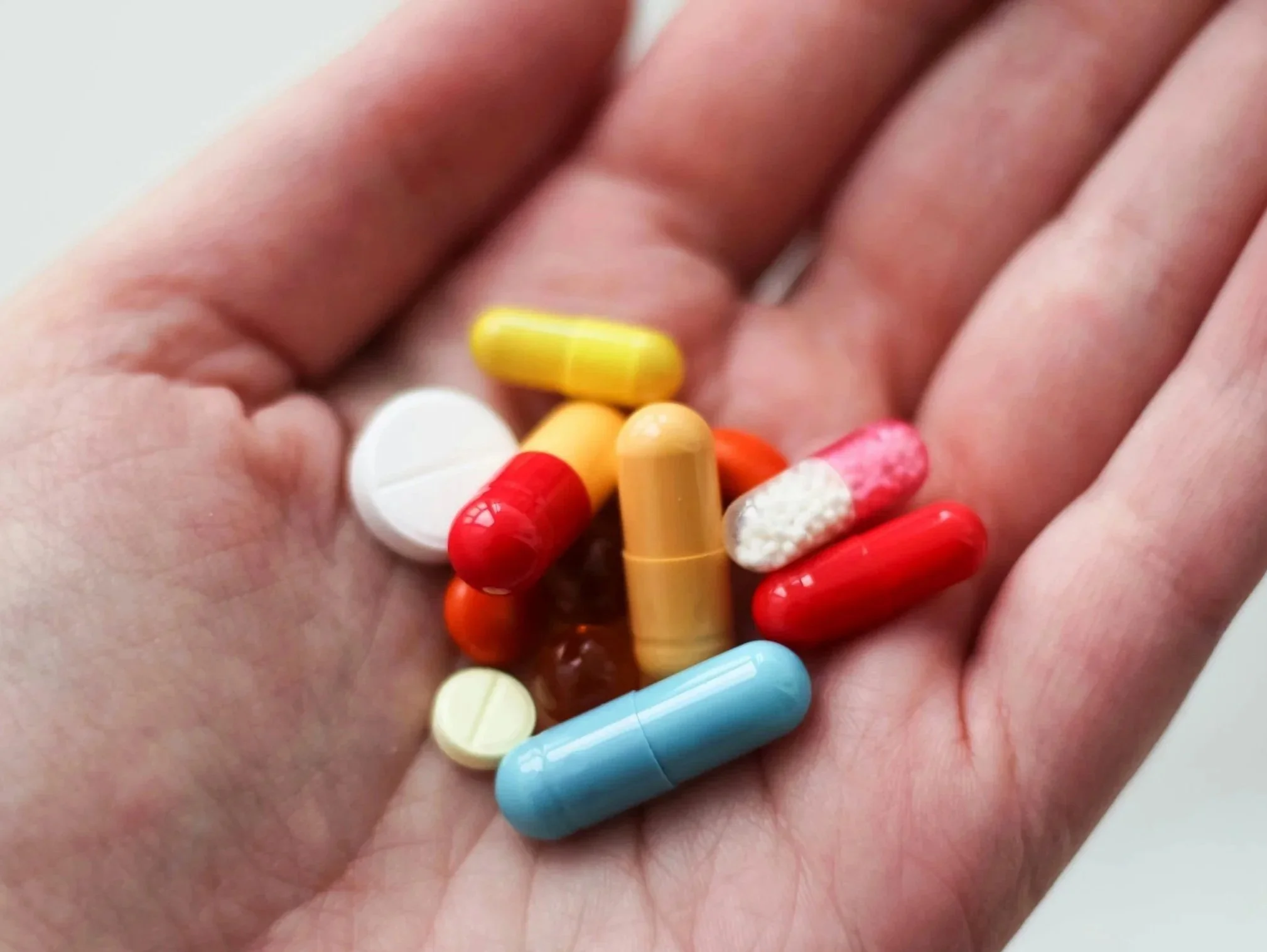
People love combo meals, so practically every fast food joint has them.
But you know that there are foods that don’t go well together, right?
Same with meds.
Many tend to take different pills and tablets without their doctor’s knowledge or recommendation can unwittingly alter their effects.
THE HARM:
When you mix and match meds without your doctor’s approval, you can potentially change the nature and efficacy of the drug.
Sometimes the danger isn't that any one medicine is wrong. It's that several medicines together can create a problem.
Consider this scenario.
You have a headache, so you take paracetamol.
Then you develop a cold, so you take a cold-and-flu medicine.
Your cough gets worse, so you add a cough syrup.
Everything seems reasonable because each product is meant to treat a different symptom.
But what you may not realize is that some combination products already contain paracetamol. You could therefore be taking the same active ingredient from two different products without realizing it. This kind of duplication can lead to accidental overdosing and, in the case of paracetamol, serious liver damage.
Then there are drug interactions. It’s when one where a medicine changes the effect of another. An interaction can make a medicine less effective, increase its effects, or produce harmful side effects.
For example, two medicines might both cause drowsiness, making the combined effect stronger. Other combinations can increase the risk of bleeding or affect blood pressure, kidney function, or other aspects of the body.
Prescription medicines may react with Over-the-Counter items. So keeping a current list of everything you take is a useful habit. Include prescription medicines, OTC products, vitamins, supplements, and herbal products. Bring that list when seeing your doctor.
Things quickly become complicated when you see different doctors for different problems. One doctor may not know about your blood pressure medicine. Another may not know about your arthritis medication. And neither knows about the cough medicine you bought yesterday or the supplement you take every morning.
So it’s important to inform your doctor of everything you’re taking so you don’t end up with “combo meds” that don’t go well together.
Medicines Help When Used Right
Most people aren't trying to misuse their medicines.
They're trying to get better.
They're just also trying to save money. Avoid another trip to the doctor. Help a sick family member. Get through a headache before work. Use what worked last time. Avoid wasting something that was expensive.
That's why these habits are so easy to fall into.
Unfortunately, medicine is science, not art. One need not be creative.
The right medicine for the right person, the right condition, the right dose, and the right instructions can really be effective.
But used the wrong way, medicines can easily be part of the problem.

Before your doctor can prescribe proper treatment and meds, he needs to know the state of your health first. BloodWorks Lab provides medical screenings and assessments that provide fast and accurate insights into your condition.
BloodWorks Lab provides the lab tests your doctor needs. We are your one-stop shop for all your blood test needs.
Book your appointment today.
Our branches are in Alabang, Katipunan, and Cebu.