

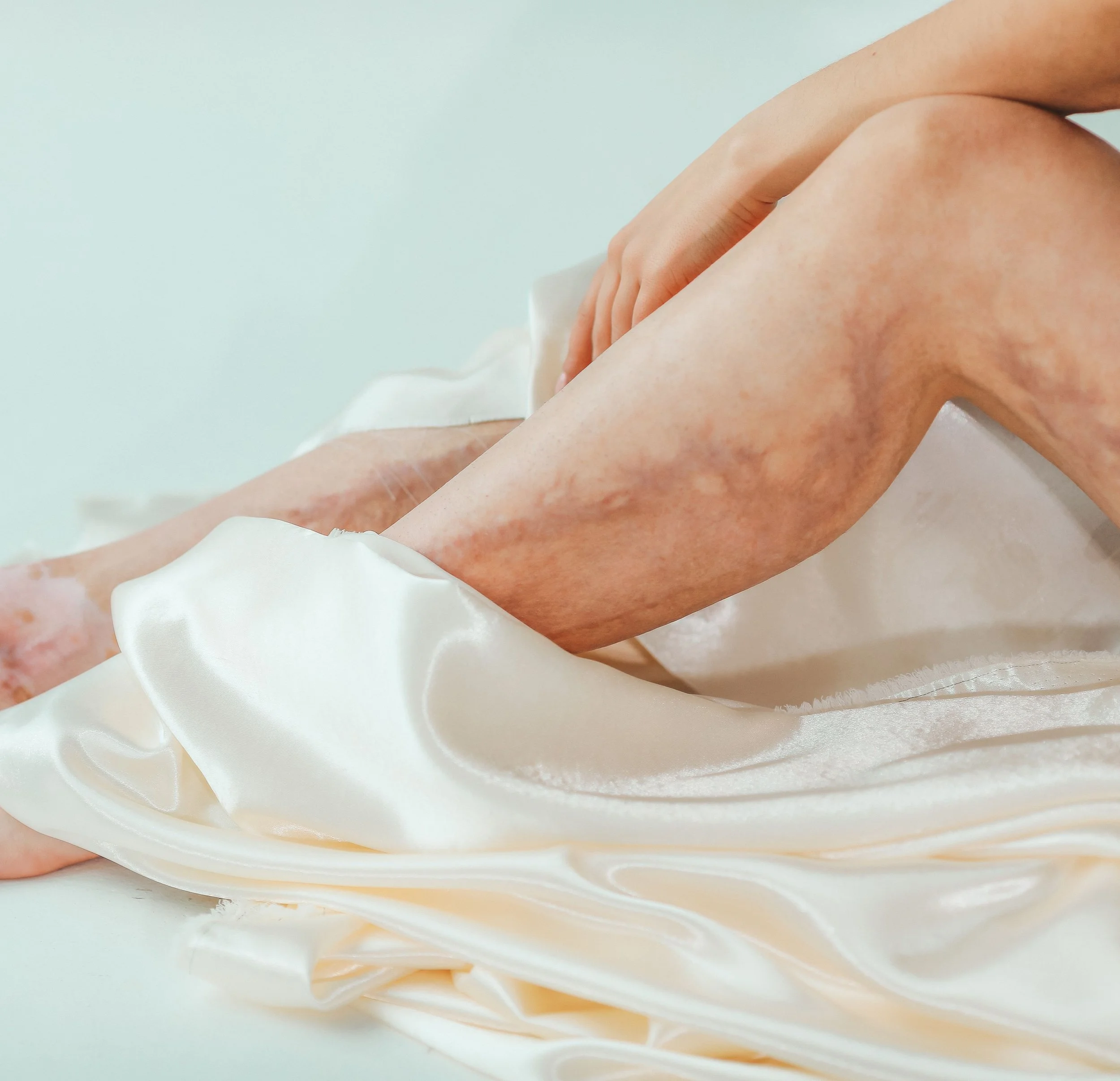
You wake up and go to the bathroom to brush your teeth. As you’re doing so, in the mirror, you notice a mysterious bruise on your arm.
You don't remember hitting anything, so you shrug it off.
Then another one appears on your thigh a few days later.
And then another on your other leg.
For many people, the occasional bruise is nothing to worry about.
But what if you're suddenly collecting mysterious bruises much more than before?
That’s a different question.
What Actually Happens When You Bruise?
A bruise is like a small leak.
You bump your arm against the corner of a table, and tiny blood vessels called “capillaries” under the skin can break. Blood spills from the blood vessels into the surrounding tissue. This is the red, purple, blue, or black mark many of us are familiar with.
When this happens, the body calls in the repair team called “platelets” that rush to the damaged area and stick together to form a temporary plug. Clotting proteins then reinforce the seal and stop blood from spilling into the tissues.
The body then gradually breaks down and reabsorbs that blood, and the bruise changes color and eventually disappears.
When Is Bruising “Too Much”?
There’s no magic number of bruises that means something is wrong. The more useful clue is a change in pattern.
If you occasionally find a small bruise on your shin after spending the day moving furniture, playing basketball, or simply being your usual clumsy self, that's really not surprising.
There’s an important difference between “I have always bruised easily” and “I’m suddenly bruising easily.”
The first may simply be how your body responds to minor injuries. The second is a change that deserves an explanation.
Doctors become more concerned when bruises are frequent, unusually large, painful, appearing without a clear cause, or accompanied by other bleeding symptoms.
A sudden increase in bruising is particularly worth discussing with a healthcare professional.
Reasons You’re Bruising
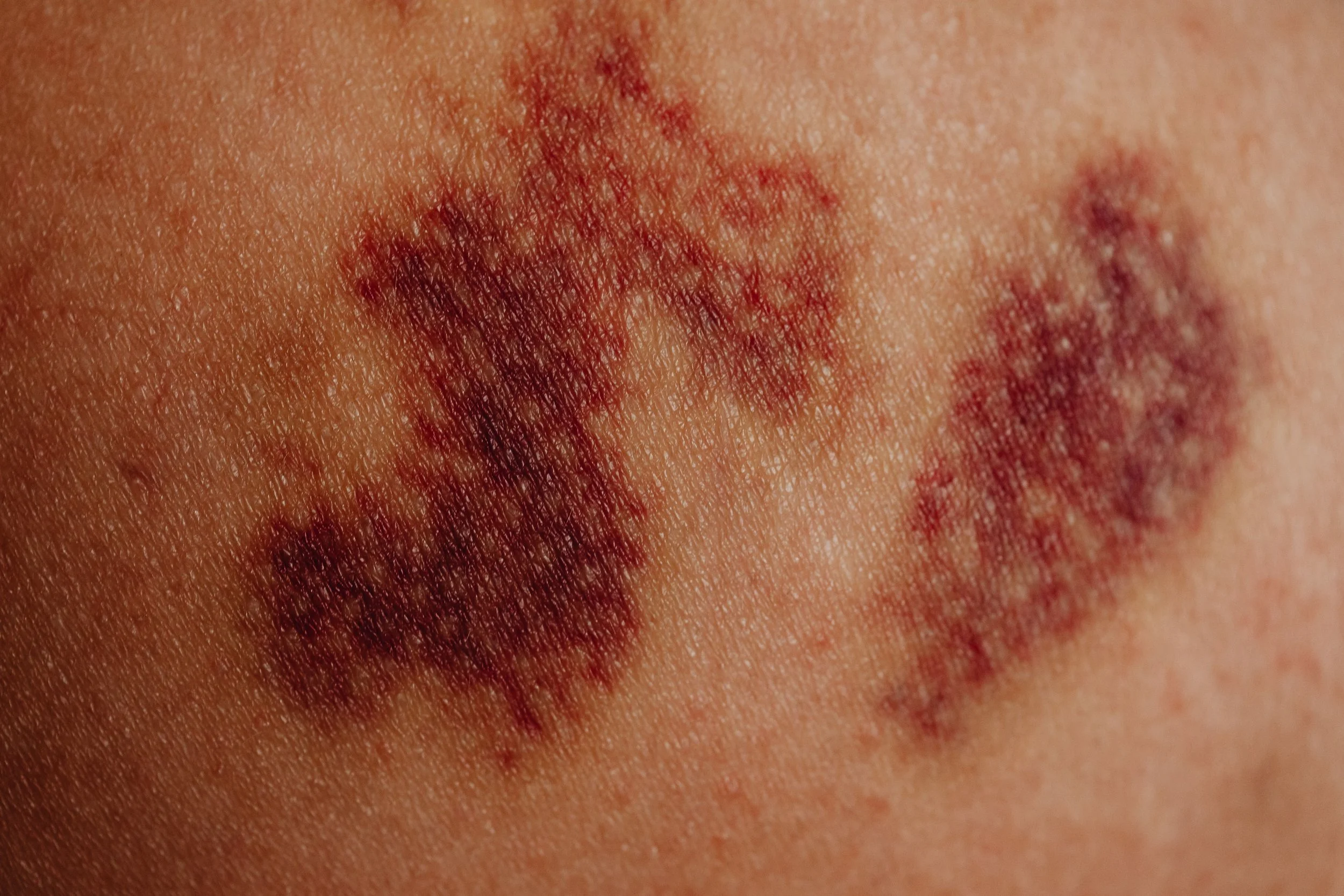
So now let’s go to some possible reasons (both harmless and serious) why bruises suddenly appear on your body.
#1 Physical Impact
Small bumps happen throughout the day. You hit your shin against a chair, brush your arm against the door, or hit your leg against a table. These moments barely register in your memory.
If you recently started going to the gym, joined a basketball game after years of being sedentary, you may notice bruises on your body. Contact sports, falls, and direct blows can damage small blood vessels beneath the skin.
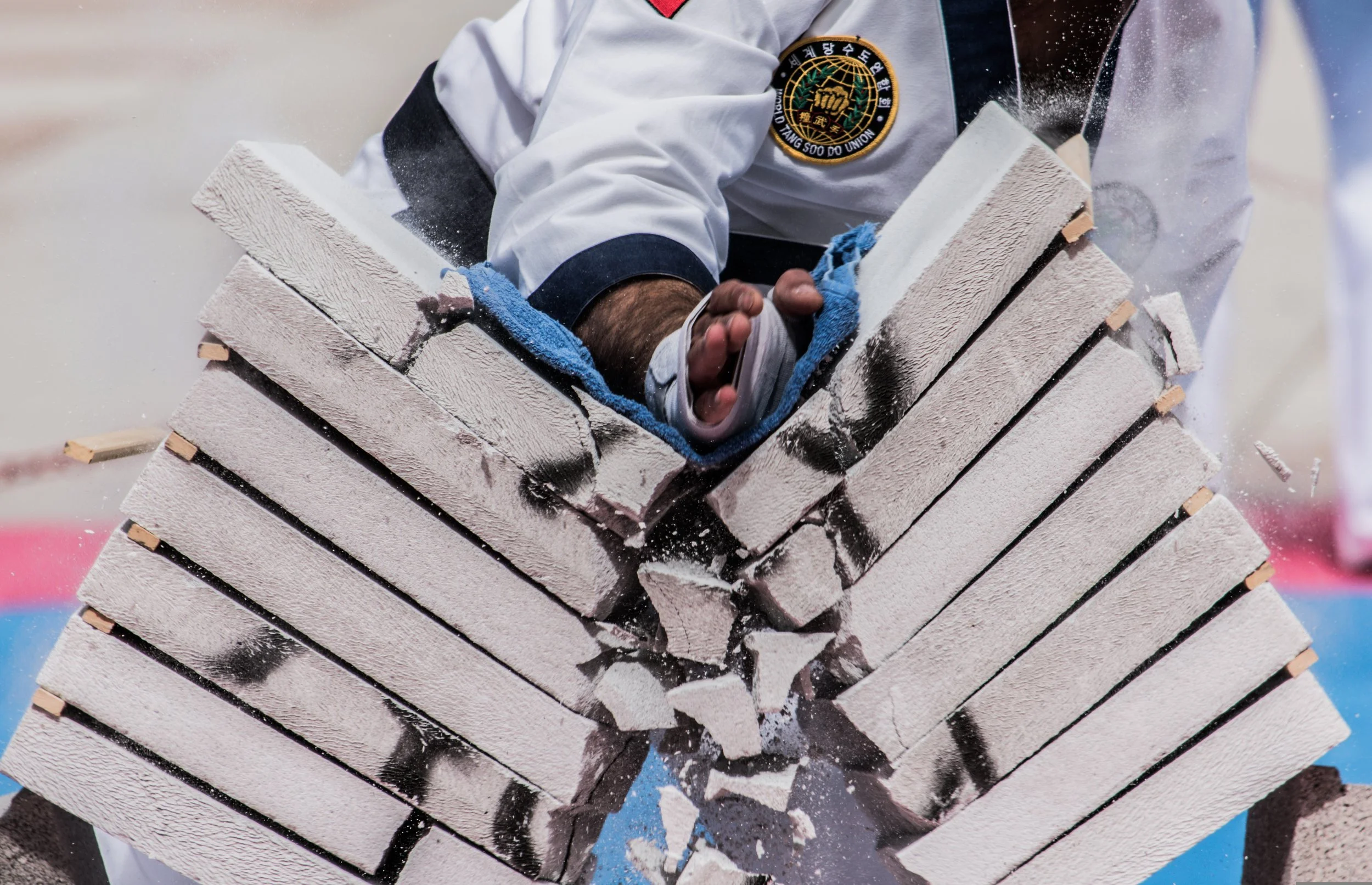
A basketball player, for example, may take a knee to the thigh during a game and barely notice it. The next morning, there's a purple patch that seems to have appeared out of nowhere.
Someone doing strength training might also notice bruises on the arms or legs after repeatedly bumping equipment or weights.
Sports and similar activities can produce repeated minor trauma and bruising.
#2 Medication
Some medications make bruising easier because they interfere with your body's ability to form clots. Aspirin, anticoagulants, and antiplatelet drugs are examples. Medicines such as ibuprofen and naproxen can also affect platelet function and increase bleeding risk, particularly with regular use.

And it can be completely intentional.
The drug is doing what it was prescribed to do: reduce the blood’s tendency to form dangerous clots.
But the trade-off is that a small damaged blood vessel may take longer to stop bleeding. So if your doctor prescribed a blood thinner and you've started noticing more bruises on your arms or legs, that may be the cause.
It’s the same with corticosteroids, which can thin the skin, making the small blood vessels underneath it more vulnerable. Someone using corticosteroids for asthma, allergies, or skin problems may see patches.
#3 Nutritional Deficiencies
It’s not very common, but severe deficiencies of certain vitamins can also be the cause.
Take Vitamin C. It’s needed to make collagen, an important structural protein that helps keep blood vessels and connective tissues strong. A severe deficiency results in fragile blood vessels, leading to tiny bleeding spots, bleeding gums, and poor wound healing.
Another is Vitamin K, a nutrient needed for the blood to clot effectively.
These kinds of deficiencies are more likely to occur in people with problems absorbing nutrients, like gastrointestinal conditions.
#4 Liver Problems
When people think about the liver, they usually think about digestion, alcohol, or hepatitis. Few realize that the liver also has a direct role in blood clotting.
The liver produces many of the proteins needed to form a stable blood clot. If the liver is significantly damaged, it may not produce enough of these clotting factors. The result can be easier bruising or bleeding.
#5 Aging
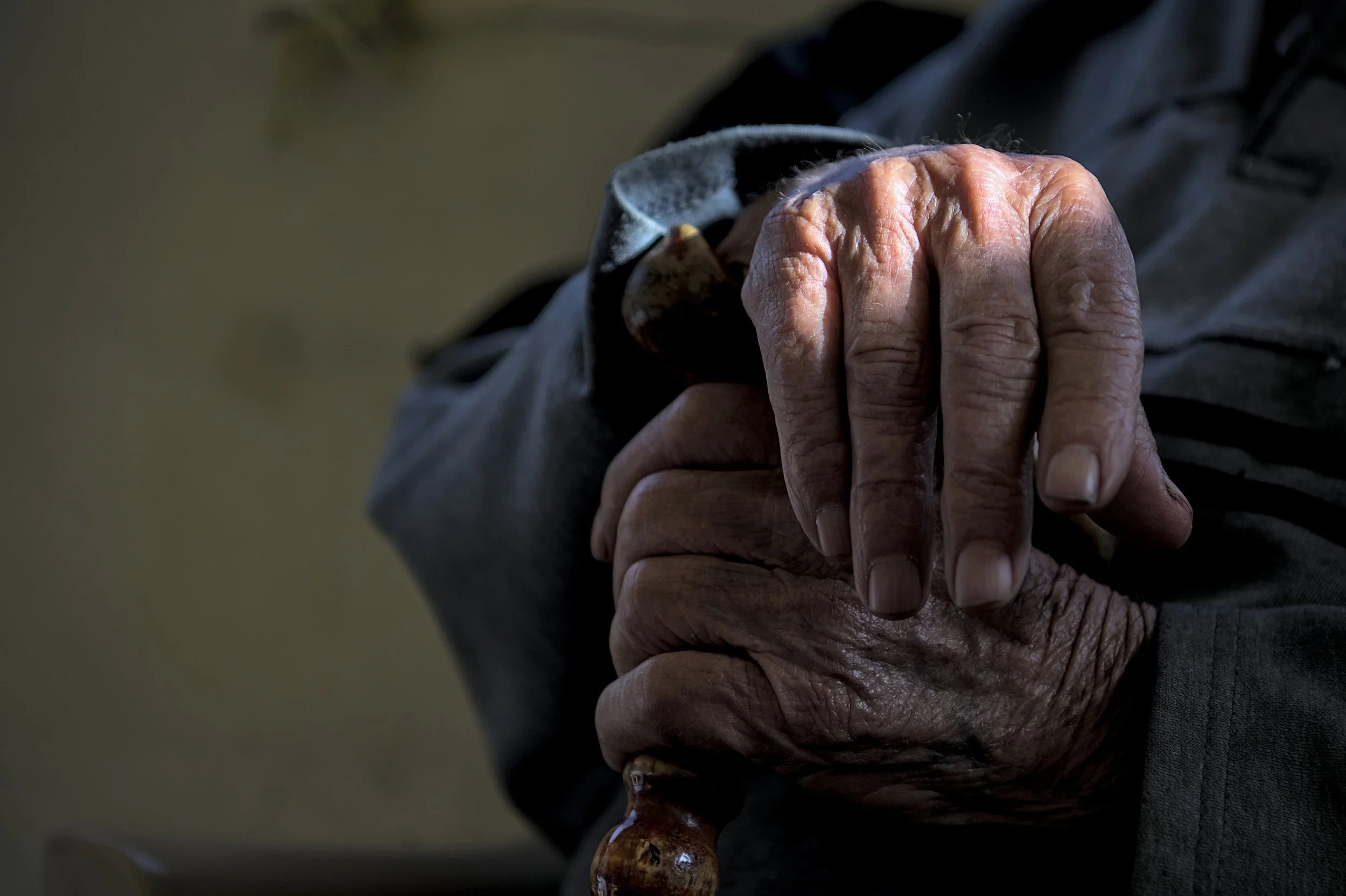
As one gets older, the skin becomes thinner and loses some of the fatty tissue underneath it. This fatty layer normally provides a bit of cushioning. With less protection, even a minor bump can cause damage and leave a mark.
There's even a common condition called senile purpura, in which fragile blood vessels leak small amounts of blood into the skin, producing recurring purple patches, particularly on the forearms and hands. It is generally harmless and becomes more common with age.
Okay, so let’s now go to more serious reasons for bruises.
#6 You May Have Too Few Platelets
As mentioned, platelets are tiny blood cells that plug damaged blood vessels. They rush to the site and stick together to stop the bleeding.
But if your platelet count is too low, blood may continue to spill to the surrounding tissues longer than usual. Tiny pinpoint spots called petechiae may also appear on the skin and can sometimes look like a rash.
There are many possible reasons for a low platelet count:
The body may not be producing enough platelets in the bone marrow,
The platelets may be getting destroyed too quickly,
Too many may be trapped in an enlarged spleen.
Certain infections, medications, immune conditions, nutritional deficiencies, and bone marrow disorders can contribute to low platelet count.
In the case of immune thrombocytopenia (ITP), the immune system itself mistakenly attacks and destroys platelets.
A complete blood count (CBC) is often one of the first tests used to check on your platelets. But a platelet count is only one piece of the puzzle. Someone can have a normal number of platelets and still have a problem with how those platelets function.
And that's where the next possibility comes in.
#7 Your Platelets May Not Be Working Properly

A normal platelet count doesn't automatically mean everything is fine.
Even if you have plenty of “repair crew” on site, if they can't do their job properly, then the repair would still be slow, even incomplete.
If somebody has “normal” blood test results but has very heavy periods, and remembers bleeding for a long time after having a tooth extracted, her doctor may need to check how your blood clots or how your platelets function.
#8 You Have An Issue With One of the Clotting Factors
Platelets are only the first part of the repair job. After they form a temporary plug, your body needs clotting factors, proteins in the blood that cement the platelets together.
The body relies on 13 different clotting factors to do the job. If one or more of these factors is missing, too low, or not functioning properly, bleeding can last longer than it should.
This is where bleeding disorders come into the picture. They are a malfunction in one of the clotting factors in the blood.
Some are inherited. Hemophilia is one example. Von Willebrand disease is another.
You might not realize you have a mild bleeding disorder until something exposes it.
A doctor may start with blood tests that look at different behaviors and characteristics of the blood.
When Bruising Is Just One of the Symptoms
Yes, you have the purple patch. But you’re also unusually tired, getting frequent infections, looking paler than usual, or experiencing unexplained nosebleeds.
The bruise doesn’t tell you the whole story. It’s the combination of symptoms that gives your doctor more information.
Certain bone marrow disorders and blood cancers, including leukemia, can cause easy bruising along with symptoms such as persistent fatigue, recurrent infections, fever, pale skin, or unexplained bleeding.
But we don’t say that a person who bruises easily automatically has leukemia, for example. Because as we’ve learned, there are many possible explanations, from medications to aging.
That is why looking at the bruise alone isn't enough. We look at the constellation of symptoms.
A purple patch becomes more worth investigating when it comes with things such as:
Frequent nosebleeds or bleeding gums
Bleeding that takes unusually long to stop
Blood in the urine or stool
Persistent or unusual fatigue
Frequent infections
Unexplained weight loss or fever
These are clues that spur your doctor to investigate further.
The Importance of Blood Tests
Sometimes, the reason is fairly ordinary. You may be taking aspirin, or your skin may have become thinner with age. Or you may not be getting enough of certain nutrients.
The reason can be nothing. But it can also be something that deserves medical attention, including platelet disorders, problems with clotting factors, liver disease, or certain blood and bone marrow disorders.
Which one, we can’t really tell for sure…unless we do blood tests.
Blood tests can help doctors determine what is happening underneath the skin. A complete blood count, or CBC, can check your blood cells and platelet count. A test like aPTT can provide information about how well your blood is clotting.
Testing helps separate the common explanations from the ones that shouldn’t be overlooked.
Don’t guess.
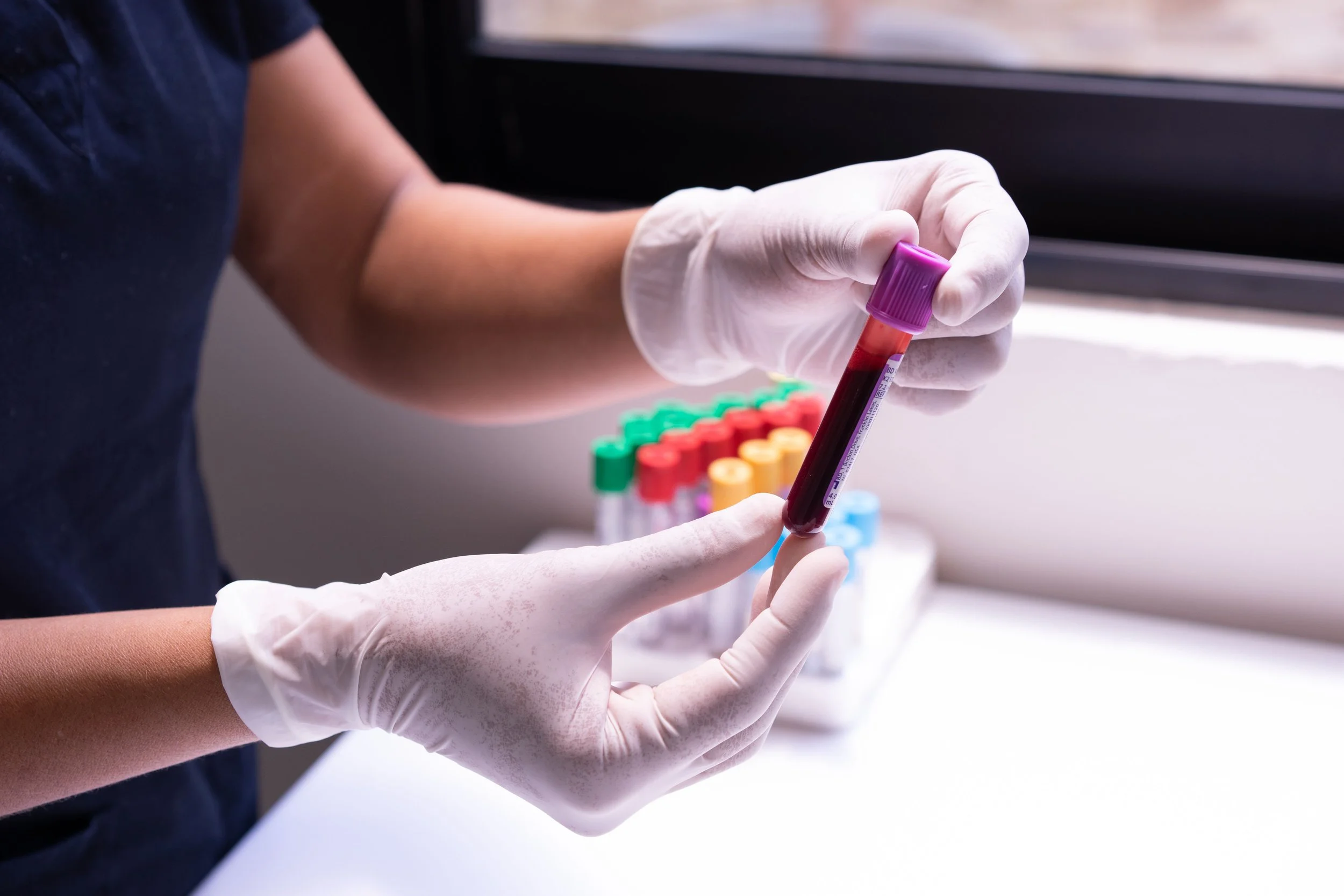
If you've noticed a new or unusual pattern of bruising, especially if they are large, frequent, unexplained, or accompanied by other bleeding symptoms, talk to your doctor about whether blood testing is appropriate.
BloodWorks Lab provides the blood tests your doctor needs. We are your one-stop shop for all your blood test needs.
Book your appointment today.
Our branches are in Alabang, Katipunan, and Cebu.