
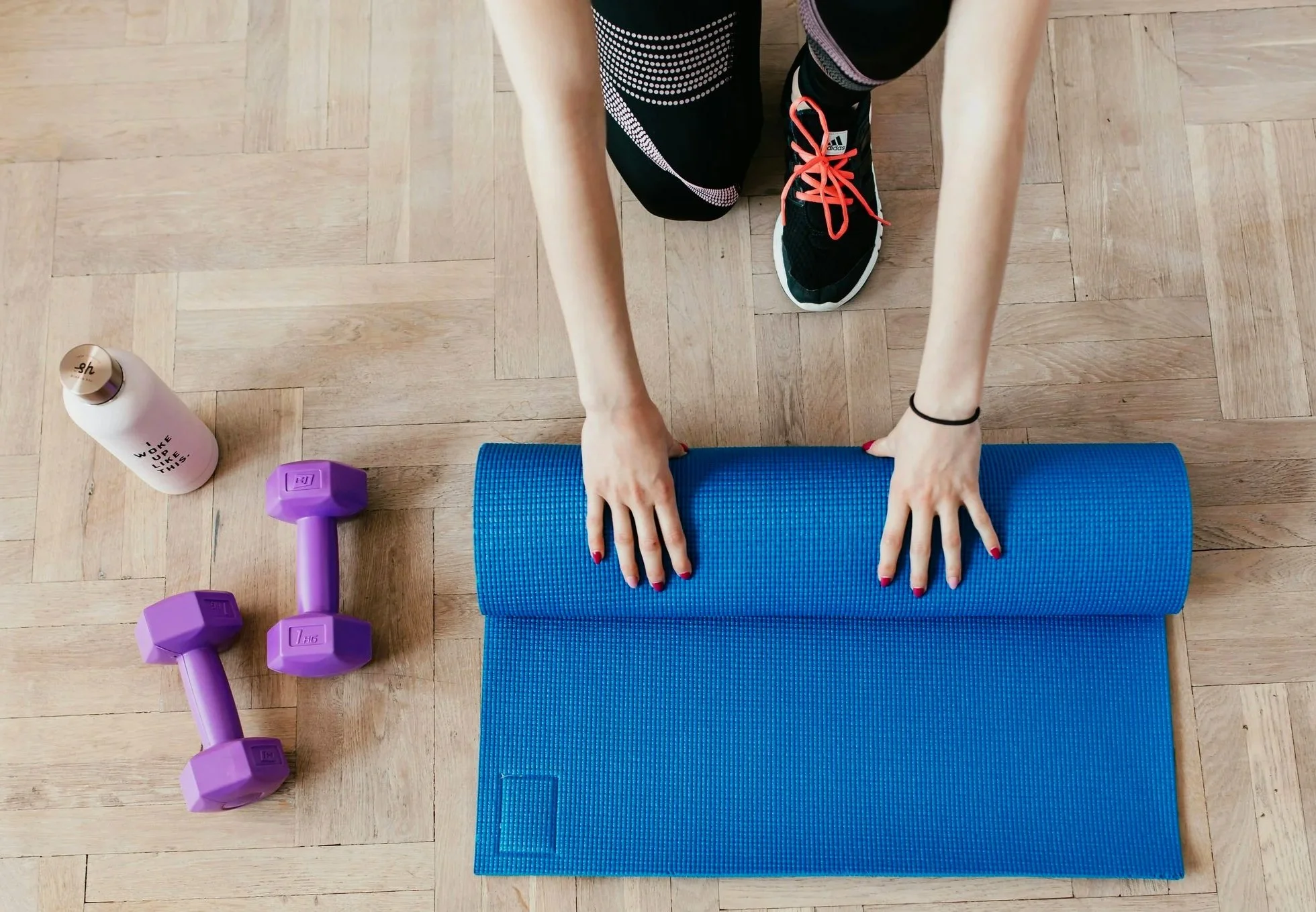
Muscle is not decoration.
It’s working tissue and controls how well you move, balance, and recover from stress.
Many think it’s just there for aesthetics, obsessed with by people who need to post something on social media.
But muscles have been linked to longevity and health, and when doctors talk about “functional decline,” they are often describing the quiet loss of muscles that began years earlier.
Starting in their 30s, adults can lose 3–8% of muscle mass per decade if they don’t actively maintain it. After 50, that decline just speeds up.
What makes this more serious is that muscles are deeply connected to biological mechanisms that are vital, but we often take for granted.
So in this post, we’ll look at why it is important to build muscles (and strength) and what we can do to maintain them.
We’re not trying to become bodybuilders here. We simply want muscles toned and functional enough to help us live our best lives well into those sunset years.
“I Don’t Want to Get Bulky”
Most people don’t avoid strength training because they think it’s useless.
They avoid it because they think it’s not for them.
“I don’t want to get bulky.”
“I’m too old to start lifting.”
“I don’t have time.”
“I walk every day. That’s enough.”
“I’ll start after I lose some weight.”
These objections assume that maintaining muscles is optional.
It’s not.
Here are 3 reasons why:
#1 Muscles Are the Body’s Sugar Sponge
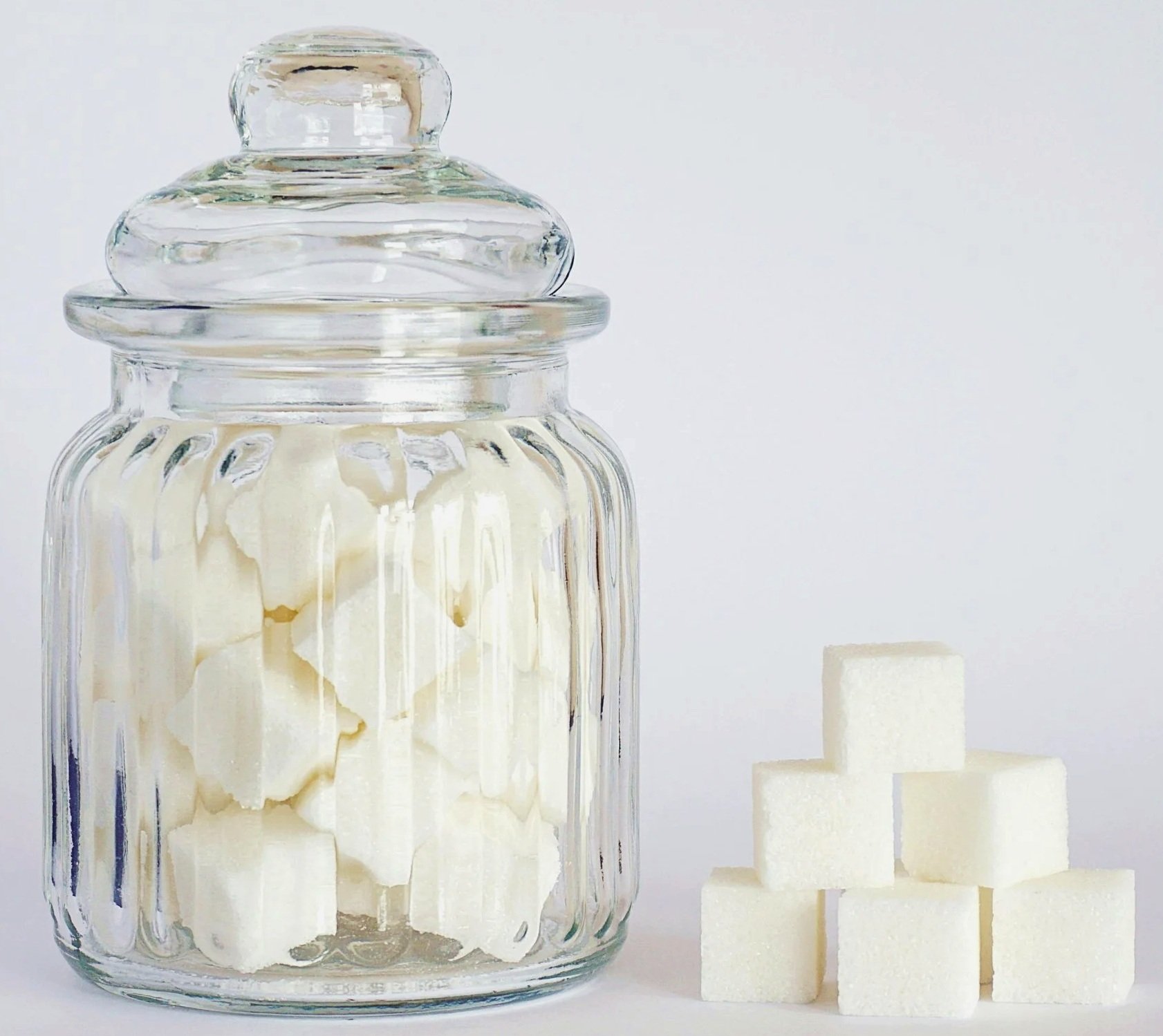
After you eat, your blood fills with glucose. Your body has to move that glucose out of circulation and into storage quickly. If it lingers too long, it damages blood vessels, strains the pancreas, and pushes you closer to insulin resistance.
Here’s what most people don’t realize: Your muscles do most of that work!
Skeletal muscle is the largest site for glucose disposal in the body. After a meal, roughly 70–80% of circulating glucose is cleared into muscle tissue under insulin’s direction.
In short, muscles are storage warehouses of sugar, pulling sugar out of the bloodstream and storing it as glycogen for future use.
When muscle mass is low, that means low storage capacity. It means:
Blood sugar stays elevated longer
The pancreas releases more insulin
Cells are becoming less responsive to insulin (over time)
That’s prediabetes knocking on your door.
Strength training improves this system in two powerful ways.
First, it increases muscle mass, therefore expanding storage capacity.
Second, it makes muscle cells more sensitive to insulin.
Muscle is metabolic infrastructure.
Every time you contract a muscle against resistance, like when you’re lifting weights, you’re sending a signal that says: “We need more capacity.” Your body responds by improving glucose handling.
That’s why strength training is increasingly recommended not just for fitness but for blood sugar control and diabetes prevention.
Muscles are your largest and most powerful sugar regulator.
#2 Muscles are Your First Line of Protection
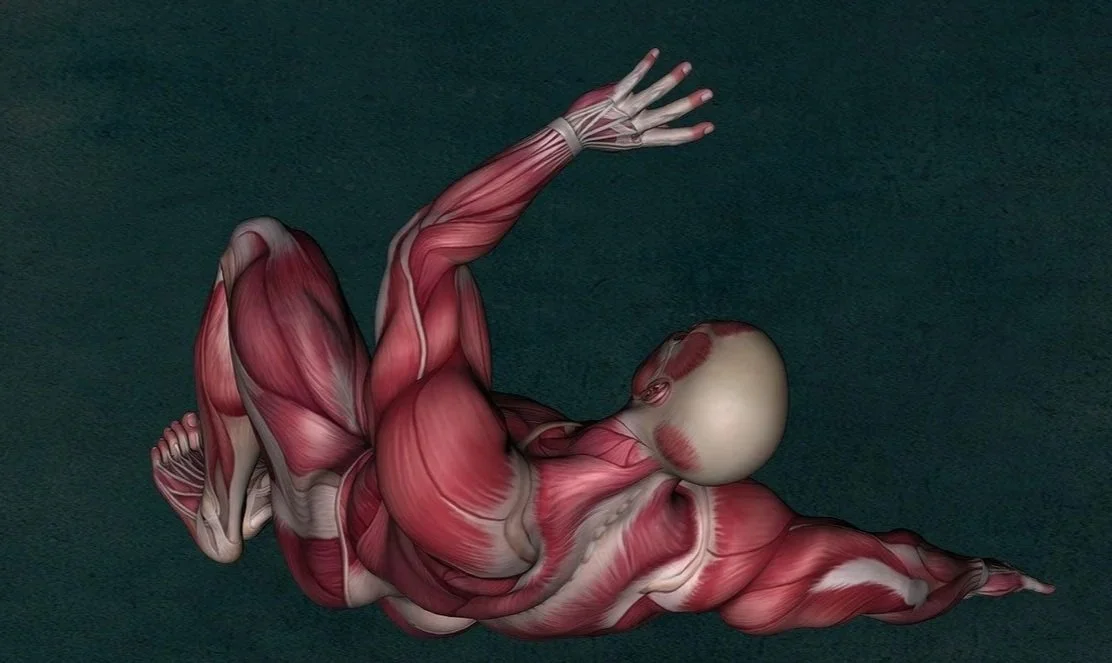
Many think fractures happen because of fragile bones. But more often than not, it’s weak muscles that make the difference between walking away unscathed and a life-changing injury.
Muscle provides not only movement, but also protection. Strong muscles are your buffer when you trip, slip, or stumble. They’re your shock absorbers that support your bones. When they’re weak, a simple fall can expose your body to forces one can’t easily absorb.
Even small gains in the thighs, glutes, or calves can translate into better stability and fewer accidents.
So don’t think of strength training or lifting weights as just working on your form. It’s really about building a shield that keeps you protected against tumbles and falls.
#3 “Maskels” is Life
You probably don’t associate muscles with longevity.
You might assume that health is measured by weight, blood pressure, or cholesterol. But research shows that muscle strength is one of the most reliable predictors of long-term survival. (Sometimes even more than your body weight.)
For example, grip strength can reveal a lot about overall health. People with lower grip strength are more likely to experience heart problems and asthma, and have poorer general health than those with stronger grips.
Muscle strength reflects your body’s reserve capacity. When your body is pushed, say, by infection, surgery, or a bad fall, muscle strength often determines whether you bounce back or spiral.

Sarcopenia, the gradual loss of muscle mass and strength with age, begins as early as your 30s. After 50, it accelerates. Often, the loss is subtle: you might notice carrying groceries is heavier, stairs feel tougher, or you fatigue faster during routine tasks.
By the time it becomes obvious, the consequences can be serious.
So the lesson here is very clear: If you want to live a long, healthier life, engage in activities that build and activate your different muscle groups.
If You Only Do 5 Movements…
You don’t need a complicated gym setup or dozens of exercises. Focus on a few key movements and get the biggest payoff.
Here are 5 simple, no-equipment classic exercises that target major muscle groups:
1) Push-Ups
Great for your chest, shoulders, arms, and core.
How to do it:
Place your hands a little wider than shoulder-width.
Keep your body in a straight line from head to heels.
Lower yourself toward the floor.
Push back up.
Move in a slow, controlled way. If regular push-ups feel too hard, start with your knees on the ground or use a wall or table for support.
Tip: Keep your hips from sagging and don’t rush the movement.
2) Squats
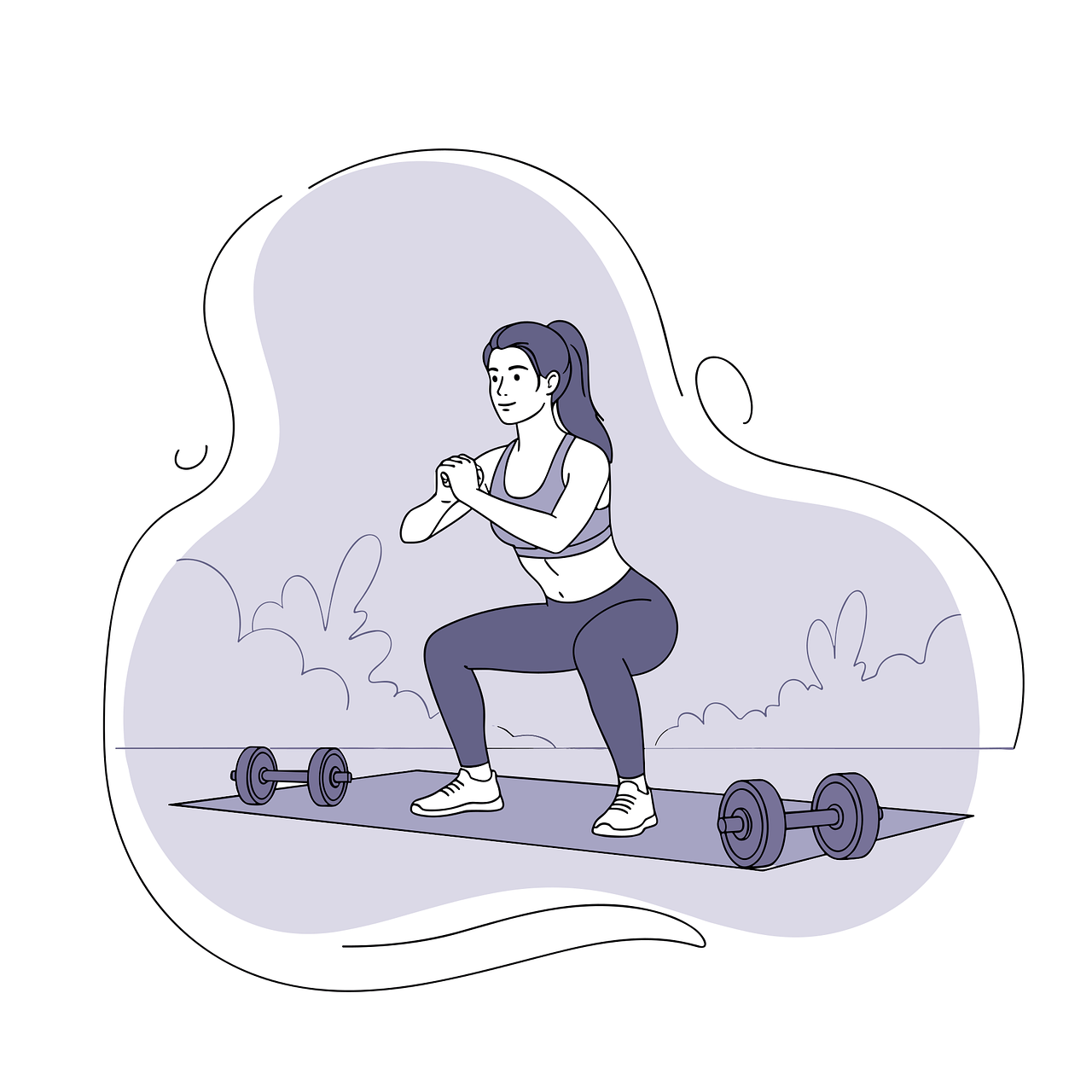
Builds strength in your legs and glutes.
How to do it:
Stand with feet about shoulder-width apart.
Sit back like you’re lowering into a chair.
Go down as far as feels comfortable.
Stand back up.
Keep your chest lifted and your heels on the floor. If balance is tricky, hold onto a chair or wall at first.
3) Pull-Ups
Strengthens your back and arms. (You’ll need something sturdy to hang from.)
How to do it:
Grab the bar.
Pull yourself up until your chin reaches the bar.
Lower yourself back down…slowly.
Tip: Focus on control instead of speed.
4) Lunges
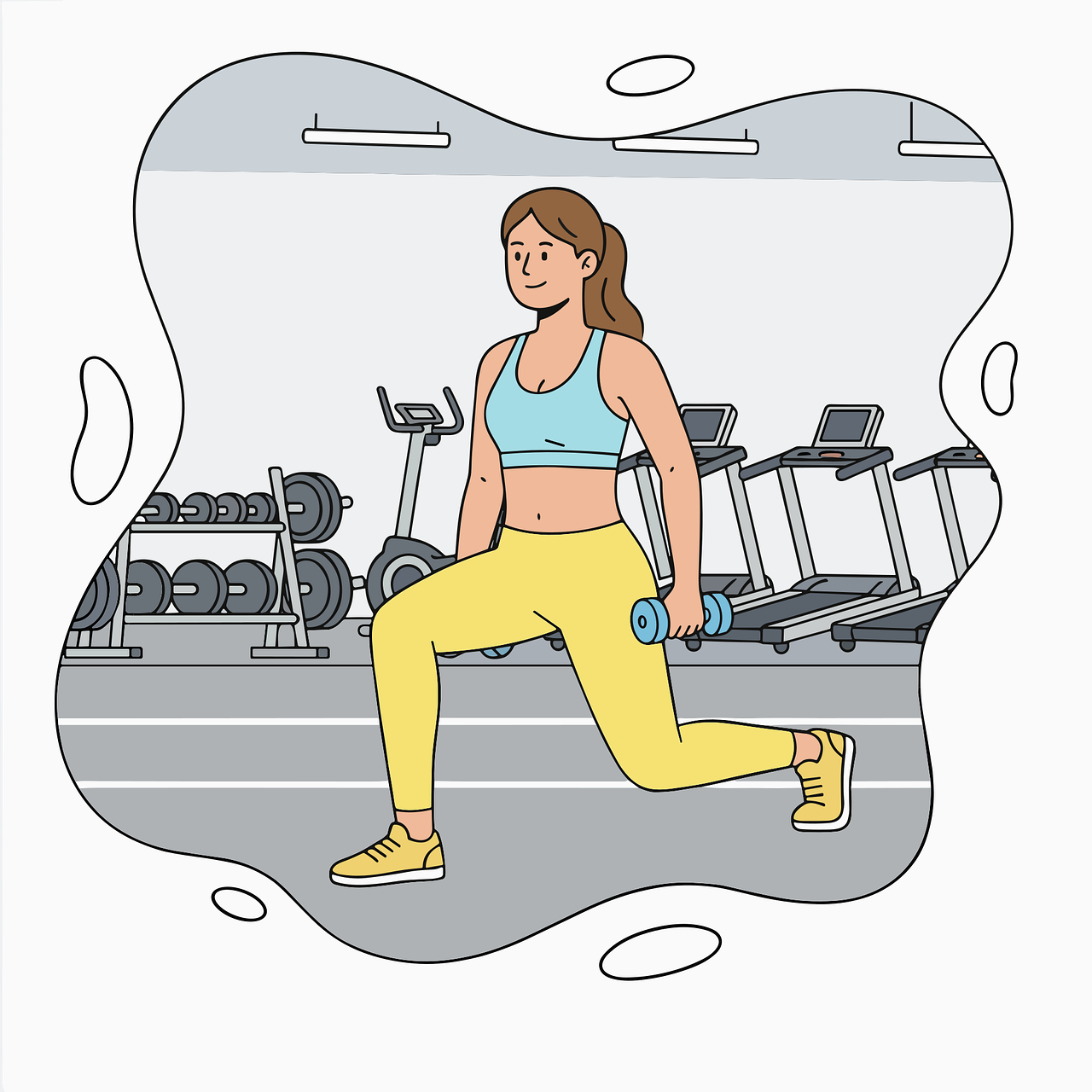
Improves leg strength and balance.
How to do it:
Step one foot forward.
Lower your body until both knees bend.
Push back to standing.
Switch sides.
Keep your front foot flat and your upper body upright. Start small if your knees feel sensitive.
5) Plank
Strengthens your core and supports everything else you do.
How to do it:
Rest on your forearms.
Keep your body straight.
Hold the position while breathing normally.
If it’s hard, drop your knees down.
Tip: Form matters more than holding it forever.
Do 2–3 sets of 8–12 repetitions for each exercise, twice per week.
With just these five movements, you’re getting the most benefit for the least amount of time.
Make It Hard Enough to Matter
Muscles adapt and respond. Over time, you will find these exercises getting easier. But muscles don’t grow or get stronger from doing what’s already easy. So you must gradually increase the difficulty of the exercises.
This is the principle of progressive overload.
Here’s how to make your workouts even more challenging:
Push close to fatigue: Aim for 8–15 repetitions per set, where the last few feel extra challenging. If it feels too easy, add resistance or increase reps.
Control the movement: Don’t rush. Slow, deliberate motions maximize muscle activation and therefore maximize benefits.
Consistency beats duration: Short, regular sessions are better than occasional long workouts. Muscle responds to repeated activation. Even brief sessions deliver measurable improvements in strength and overall resilience.
Eat the Right Stuff

Your body needs the right fuel to repair and grow. And when it comes to muscles, proteins are the champions, supplying the amino acids that your body uses to repair and grow muscle fibers after exercise.
Without enough protein, your muscles cannot fully recover or get bigger (even if you train hard)
Here’s a simple eating guide:
Protein at every meal: Go for 25–40 grams of protein per meal. This ensures a steady supply of amino acids for muscle repair. Sources include eggs, dairy, lean meats, fish, beans, and tofu.
Don’t skimp on the calories: To gain or preserve muscle, your body needs enough energy. Severely cutting calories can cause muscle loss specially when you’re exercising.
Include healthy carbs and fats: Get your other macros in. In addition to protein, eat some carbs and fats. Carbs fuel your actual workouts, while fats support hormone balance. Whole grains, fruits, nuts, seeds, and healthy oils all contribute.
Hydration matters: Over 60% of you is water. Water supports muscle function, recovery, and nutrient transport. Dehydration can reduce strength and increase injury risk. So drink at least 8 glasses a day. (More if you’ve sweated a lot.)
It’s not about vanity. It’s not about looking a certain way. It’s not about fitting into last year’s clothes or having a beach bod.
The real reason to build muscle is to protect your body, preserve independence, and maintain resilience as you age. Every pound of muscle is functional insurance. It’s a buffer that helps you absorb stress, fight disease, and perform daily activities without struggle.
BloodWorks Lab is your partner in maintaining that tip-top shape. We offer a range of checkups, screenings, and assessments. We are your one-stop shop for all your blood test needs.
We were also the first in the country to offer the Anti Acetylcholine Receptor (IgG) Antibody Test and the Anti N-Methyl-D-Aspartate Receptor (Anti NMDA Receptor) Antibody Test.
Book your appointment today.
Our branches are in Alabang, Katipunan, and Cebu.