


You’re doing everything right… so why isn’t pregnancy happening?
At first, it was easy to shrug off. “Next month na lang.”
But months pass.
Another test.
Another negative.
OR, maybe you finally got pregnant…
But then…try as you might…after a few months…joy turned into heartbreak when you lost the baby.
There are no words.
But there might be a hidden reason why these things happen.
In this post, we’ll look at why. Because for many, finding out just might be the turning point that finally changes their story.
We Don’t Talk About APAS
When we talk about fertility challenges, the blame usually falls on irregular ovulation, blocked fallopian tubes, low sperm count, or hormonal problems.
These are the usual suspects couples read about online.
But there’s one possibility that often flies under the radar. It doesn’t show up on ultrasound and doesn’t always have obvious symptoms.
It’s a condition called APAS or Antiphospholipid Antibody Syndrome.
APAS is an autoimmune condition.
APAS can be thought of as “friendly fire.” This is when your immune system attacks your own healthy cells and tissues instead of fighting germs and bacteria.
The immune system makes antibodies that target phospholipids, the molecules that line the outer layer of cells and blood vessels.
Phospholipids are crucial as they control what enters and leaves cells.
They also help form blood clots.
The main problem with APAS is the unwanted blood clots (thrombosis) that form in various places of the body.
Normally, blood clots are helpful, plugging cuts or wounds to stop bleeding and block germs.
Healthy clots dissolve after healing. In APAS, they do not. Blood clots form where they're not needed, and they don't dissolve properly.
Can you see where this is going and imagine scenarios where a clot can be very dangerous?
Depending on where the blockage is, APAS can lead to things like:
Deep vein thrombosis (DVT)
This occurs when a clot forms in a deep vein, usually in the leg. The leg may suddenly swell, feel warm, or become painful.Pulmonary embolism
If part of a clot breaks off and travels to the lungs, it can block blood flow there. This is a medical emergency that may cause sudden chest pain or shortness of breath.Stroke
In younger adults with no obvious risk factors, APAS can sometimes explain a stroke when a clot blocks flow in the brain.Heart Attack
A heart attack happens when one of the heart’s arteries is starved of blood supply. This doesn’t automatically point to APAS, but it’s one of those things that happen when a clot interferes with the constant and smooth flow of blood.
That said, women are 4x more likely than men to suffer from the condition. And this is where we come to the issue of fertility.
How This Leads To Pregnancy Problems

After fertilization, the embryo must attach itself securely to the lining of the uterus. This implantation is a very important process. Within days, tiny blood vessels begin forming to support what will later become the placenta.
This early circulation is extremely fragile, and antiphospholipid antibodies can disrupt the process in a few ways:
#1 They can promote tiny blood clots.
These clots may form in the very small blood vessels that supply the developing placenta. Even minor interruptions in blood flow at this stage can significantly affect how well the embryo implants and grows.
#2 They can interfere with the interaction between the embryo and the uterine lining.
The lining of the uterus needs to welcome the embryo and allow the placental tissue to develop. Certain antibodies may disrupt this interaction and make implantation more difficult.
#3 They can increase the risk of early pregnancy loss.
In some cases, implantation takes place, but the pregnancy stops progressing in the early weeks.
For example, a woman may become pregnant easily but lose the baby around the same stage (usually between 6 and 10 weeks). Ultrasound scans show a heartbeat, only for the pregnancy to terminate soon.
Another scenario would be during fertility treatments. A couple goes through IVF. The embryos are healthy. The uterine lining looks ideal. Yet implantation repeatedly fails.
Doctors who see these patterns would come to suspect that APAS might be in operation.
It’s estimated that 10-15% of recurrent miscarriages are attributed to APAS.
It has also been associated with other pregnancy issues like stillbirths, premature delivery, and preeclampsia.
1. Stillbirth
APAS has been connected to an increased risk of late fetal loss (after 20 weeks).
The antibodies affect placental blood flow, which supplies oxygen and nutrients to the baby. When circulation is impaired, the fetus may stop developing and be lost.
Research has found that certain antiphospholipid antibodies are linked to 3–5 times higher odds of stillbirth compared to pregnancies without these antibodies.
This is one reason doctors sometimes test for APAS after an unexplained stillbirth.
2. Premature (Preterm) Delivery
There are many reasons for the baby being delivered before its time. The mother’s genes, health, and lifestyle, as well as the baby’s condition inside, are grounds for a preterm delivery.
APAS is another. It can increase the chances that a baby is delivered before 37 weeks.
When the placenta cannot supply enough blood to the baby, doctors may recommend early delivery.
3. Preeclampsia
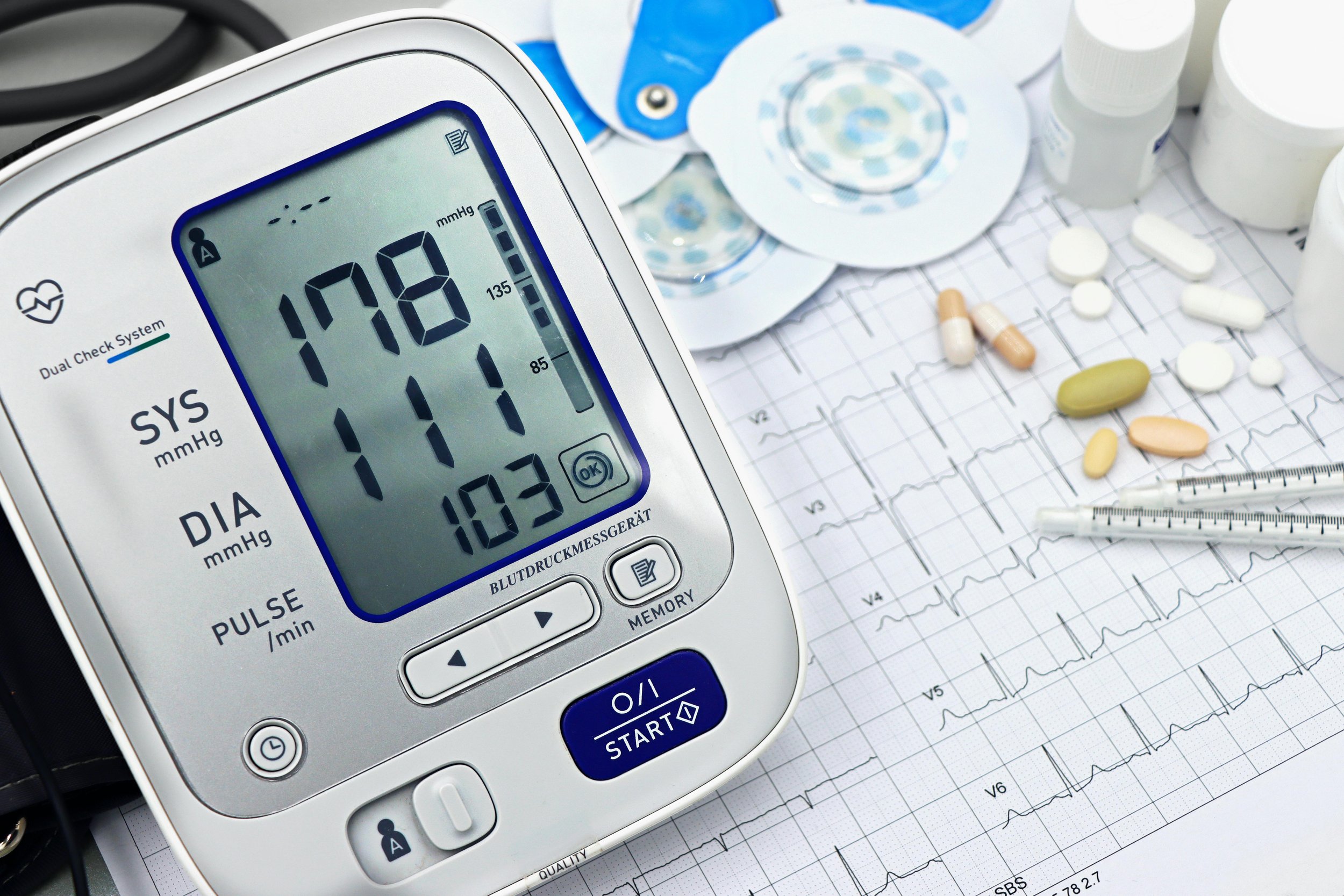
APAS is also strongly associated with preeclampsia, a condition characterized by high blood pressure and organ stress during pregnancy.
Women with APAS develop preeclampsia more often and sometimes earlier in pregnancy than women without the disorder.
Early or severe preeclampsia is often linked to problems in placental blood flow.
So testing for APAS is an important step in knowing what could have gone wrong.
So, What’s the Test Like?
An “APAS Panel” is one of the simpler tests in a fertility work-up. (It’s called a “panel” because it’s a group of tests, not just one.)
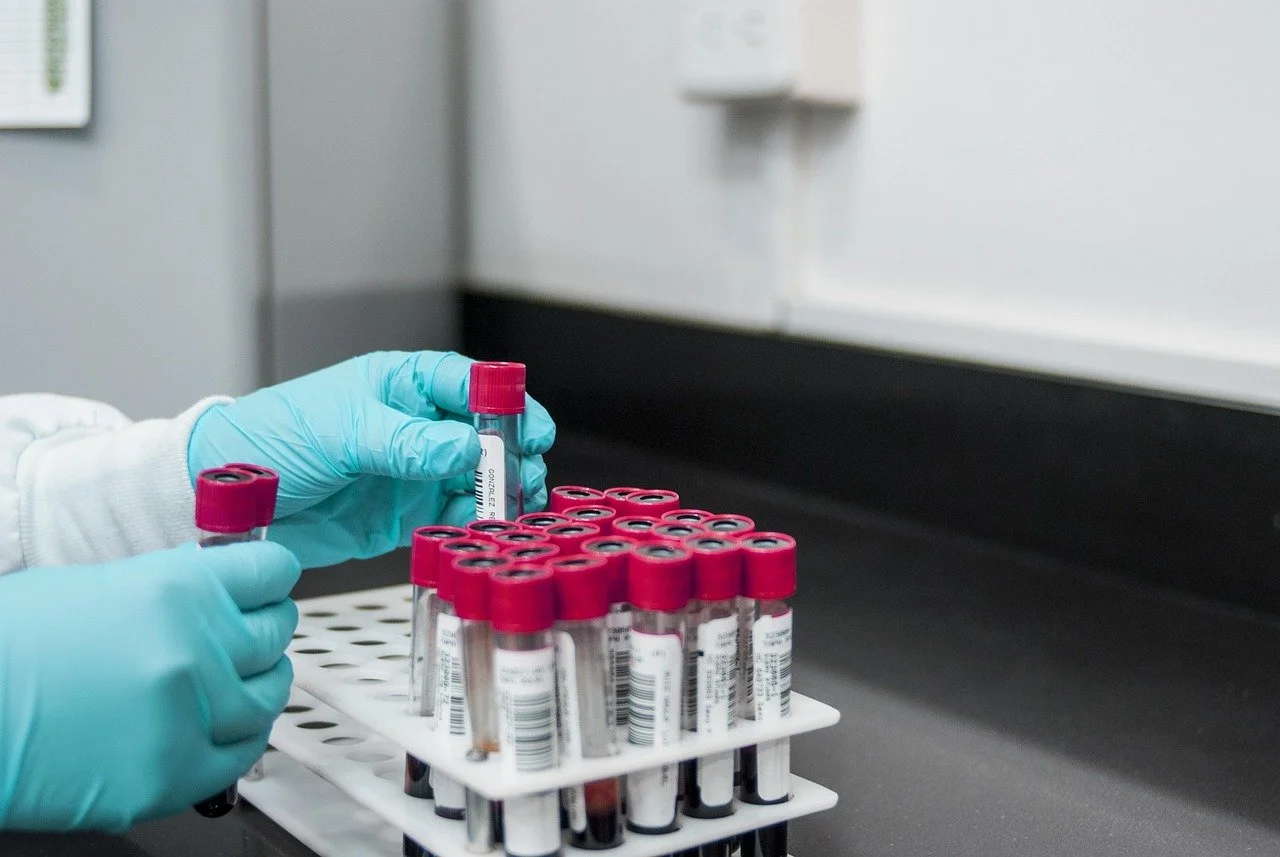
With an APAS panel, there is no procedure, no anesthesia, and no hospital stay involved. It starts with a standard blood draw at a laboratory.
A medical technologist collects a small sample of blood from a vein in the arm. The process usually takes just a few minutes, similar to the blood tests many people already take for cholesterol, blood sugar, or routine checkups.
After the sample is sent to the lab, specialists analyze it for specific antibodies. The results may take a few days.
An APAS panel checks for a group of antibodies linked to abnormal blood clotting
The most commonly tested ones include:
Lupus anticoagulant
Anticardiolipin antibodies
Beta-2 glycoprotein I antibodies
One important detail many patients don’t expect: doctors sometimes repeat the test.
Antibody levels can fluctuate. A single positive result does not always confirm a diagnosis. Because of this, physicians may request a second test several weeks later to verify the findings.
Signs That an APAS Panel Might Be Worth Discussing
Not everyone who is trying to conceive needs this test. But certain patterns in a patient’s history may prompt a doctor to consider it.

You might consider bringing it up if you have:
Recurrent miscarriages – Two or more unexplained losses in the early weeks of pregnancy.
Repeated IVF failures – Good-quality embryos transferred, but implantation still doesn’t happen.
Unexplained infertility – Trying for a year or more without a clear cause.
History of blood clotting issues – Such as deep vein thrombosis, stroke, or unusual bruising.
Autoimmune conditions – Like lupus, which can overlap with clotting antibodies.
If you have experienced some of these, it may be worth having a thoughtful conversation with your doctor.
When pregnancy loss enters the story, the emotional weight can be profound. Many couples carry quiet questions that are difficult to voice: Was it something we did? Could it have been prevented?
Antiphospholipid antibodies represent one of those possibilities. They are invisible during routine checkups, yet they can quietly influence how blood flows during pregnancy.
The encouraging reality is that this is one of the more manageable causes of pregnancy complications once it is recognized. With proper care, many couples go on to experience outcomes they have long hoped for.
BloodWorks Lab is your partner in this journey. We offer a fast and accurate APAS Panel to help you and your doctor diagnose the problem.
Book your appointment today.
Our branches are in Alabang, Katipunan, and Cebu.