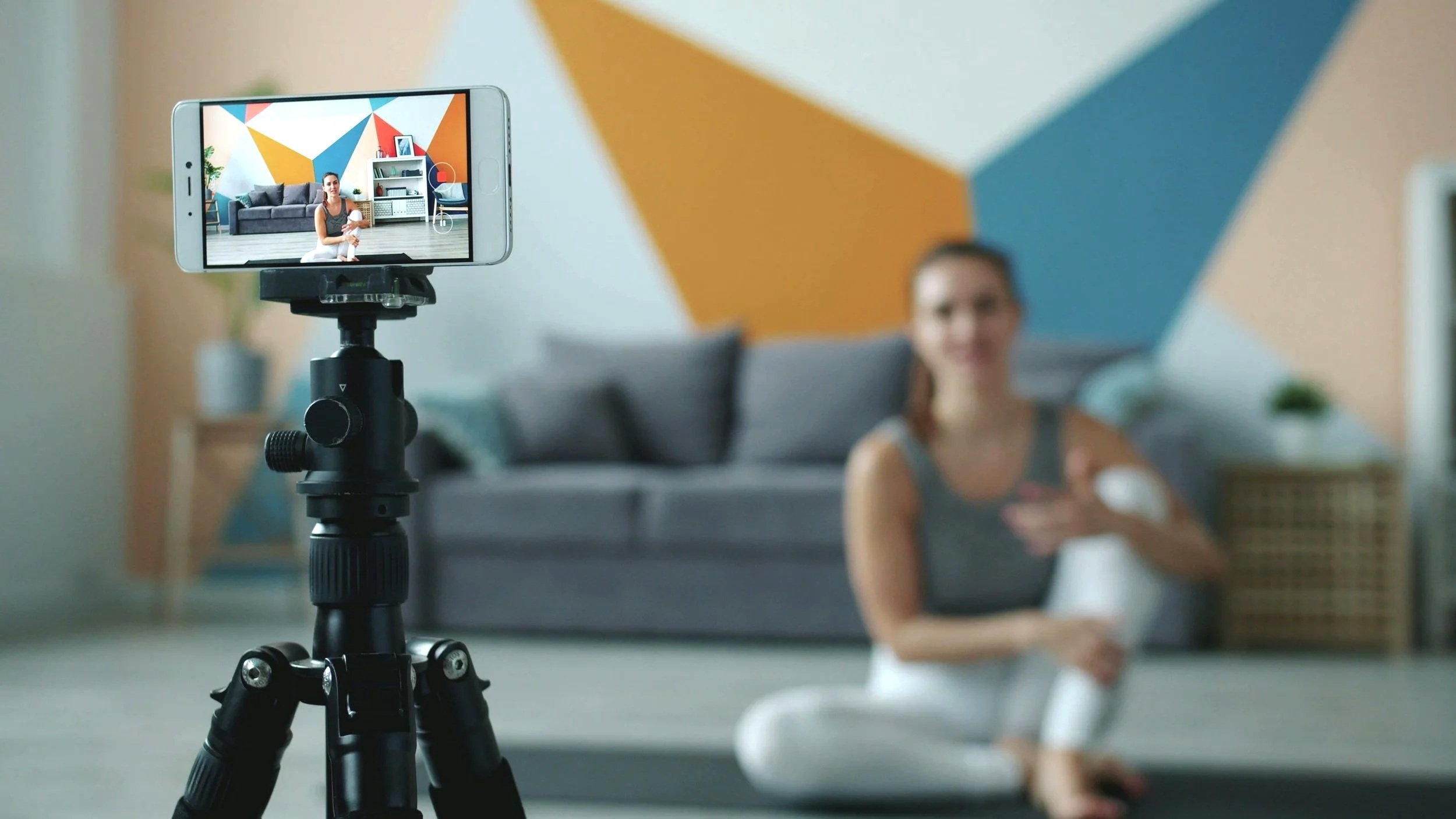
Australian researchers have found that 6 out of 10 health-related TikTok videos contain misleading, incorrect, or harmful information.
This means most of the advice you scroll past isn’t just useless, it’s actively pointing you in the wrong direction.
In short, it can actively damage your health.
And it doesn’t help a bit that the loudest voices online are also often the least careful.
This is where a potent “BS” filter becomes, literally, a life-saver.
Instead of trying to learn everything about nutrition and exercise, you only need a quick way to spot nonsense. And that’s what this checklist is for.
But first, let’s learn why false, problematic, misleading information spreads like wildfire online.
Why Fitness Misinformation Spreads So Easily Online
“This one drink melts belly fat overnight!”
Claims like this often get the views, the clicks, and the likes. Extreme claims go viral, while more nuanced assertions like “Eat balanced meals and be consistent” get the cold shoulder.
The algorithms are partly to blame. It’s like the whole system was inadvertently designed to surface sus content rather than truthful ones. Because when platforms are built to keep you watching, bold claims by eminently confident presenters hold attention longer than careful explanations.
Add a messenger who looks the part (AKA “ripped”), and you have a credible authority on what he’s talking about.
Someone looks fit, so we assume they probably understand basic physiology.
Another reason for misinformation freely spreading on social media is the difficulty in meaningfully fact-checking it. Before one can even present a cogent rebuttal in the comments section, the world has moved along.
This combination of algorithm bias, visual and emotional appeal by influencers, and the difficulty in weeding them out with logic and evidence has led to the flood of misleading health information populating people’s “For You Page.”
With that in mind, here are 5 Red Flags to help you police your social media content…
Watch Out For These 5 Red Flags
#1 Quick To Make Generalizations

“Stop eating rice. It’s making you fat.”
“You can’t sleep well because of hormones. Take product X.”
“Do this exercise for 30 reps every day, and you will have arms like mine.”
“Seed oils are toxic.”
Blanket advice ignores individual differences. And that’s where the harm comes in.
When a “fitness influencer” talks in front of the camera, they really know nothing about the personal situation, diet, genetics, past experiences, and motivations of the individuals watching them.
So how tailored do you think their advice will be?
They’ll fall back on generalizations and assumptions that can not only prove ineffective, but even harmful for some.
They’ll be quick to demonize whole food groups (eg, “Carbs are bad.”) or highlight single routines as “The most effective” or “The only exercise you need…”
But in reality, two people can follow the same plan and get very different results. Why?
Because people are different, and they have different genes (AKA body shape, flexibility, metabolism, weight, stamina, power, etc.)
Real and practical fitness advice sounds like this:
“This works for most people, but here’s when it might not.”
“If you have a medical condition, this needs adjustment.”
Genuine advice is nuanced and leaves room for individual differences and limits.
If your fitness influencer starts talking like everyone under the sun is equal and the same, then it might be time to look for other people to look up to.
#2 The World Expert on Everything
Confidence can easily be mistaken for the truth. It can also be easily mistaken for competence, especially when it comes with abs, a ring light, and good editing.
A lot of fitness influencers speak with certainty about hormones, injuries, nutrition, and even medical conditions. The tone feels authoritative, and the explanations make sense. But when you look closer, there’s no real foundation there. I mean, there’s no formal training, no clinical exposure, or track record of working with different types of people.
You have a DJ talking about hormone optimization, a real estate agent breaking down “gut health,” or a crypto trader explaining the effects of cortisol in the body.
Not saying that other people can’t give health advice, like when they’re only sharing personal experience. But if they come at it as a self-proclaimed expert, now that’s a totally different situation.
Especially when they’re working on “borrowed” knowledge, or have merely read about some study somewhere online. Especially when they try to dazzle with complex, scientific jargon or buzzwords for credibility.
Real expertise develops from years of studying, working with different people, and seeing how the same plan produces different results. A fitness expert would have seen workout plans that worked or failed, and would have experimented with many different adjustments. They would have worked with injuries, plateaus, setbacks, and real-life constraints.
Over time, patterns emerge. These are what real experts see.
Expertise can’t be gained by binge-reading the latest research over the weekend. In fitness and health, you have to really put in the time.
Look for depth of knowledge and breadth of experience before you take anything a fitness influencer says hook, line, and sinker.
#3 Promises fast, extreme, or effortless results
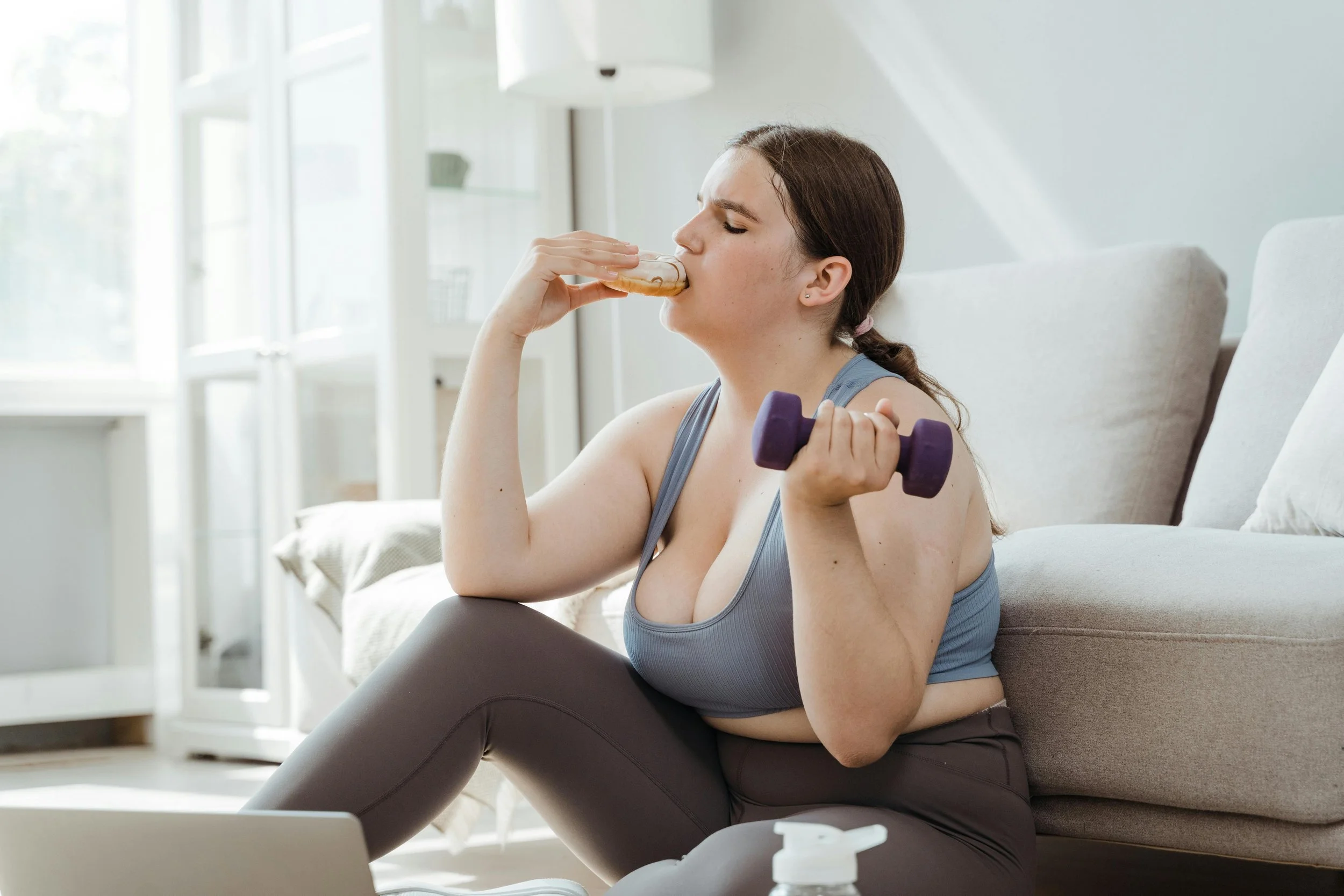
Our bodies are complex, coordinated, and calibrated systems.
As such, there are inherent physical limits to what meaningful changes are possible in a given amount of time.
So speed is the easiest way to spot nonsense.
If someone claims you can lose 10 kg in a month, get abs in two weeks, or “torch belly fat” without changing much, then you should really take these claims to a microscope.
Bodies just don’t work that way.
Sustainable fat loss has a rough ceiling, for example. In the best cases, a realistic rate is about 0.5–1% of body weight per week. Faster than that, and you’re not just losing fat. You’re losing water, glycogen, and often muscle. That’s one reason rapid diets tend to rebound hard. This pattern shows up consistently in long-term weight management research.
Any claim that promises physical change without effort should immediately raise suspicion. Because if they’re saying that it’s going to be “effortless,” then why was it not working naturally in the first place? (You know, before you placed any effort.)
What we see, consistently, is that meaningful physical change happens when something in your behavior changes: your intake, your activity, your age, your consistency over time, etc.
And, if fitness influencers top this “effortless” method as something that comes with “no side-effects” and no trade-offs, then your “BS” alarm should be blaring by now.
Your body is a connected system. A change in some part will impact many others, and we are learning more and more every day just how tangled and connected our body systems are.
In short, there will always be side effects and tradeoffs.
#4 Gives Anecdotes as Evidence
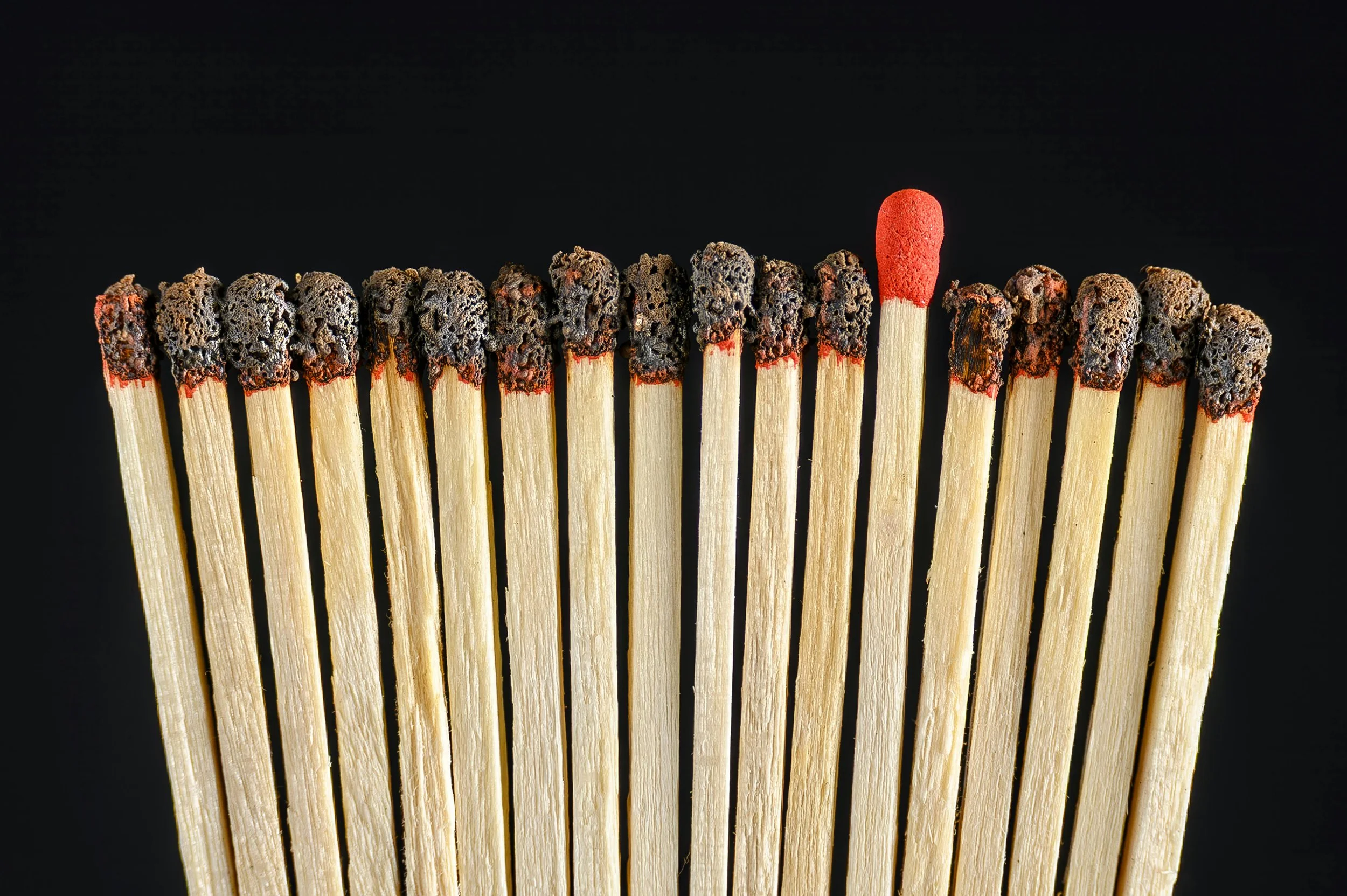
At some point in a short TikTok video, evidence will be given to support a health claim. (eg. “Lose 10kg in 30 days”)
Usually, one extreme example is shown where the method worked. You’ll be presented with a Before-and-After photo of a guy who looked totally different after 30 days.
So the whole thing is legit, right?
Well, just because we can pull up a single success story (the anecdote) doesn’t mean that will be everybody’s story.
Just because it worked for our fitness influencer or their “friend” doesn’t mean it will also work for everyone who watches their video.
Yes, anecdotes can help point us in a good direction. But they are not a guaranteed conclusion.
We should have higher standards of evidence when it comes to these things. Because for every one success story there is, how many failures go unnoticed, do you think?
Anecdotes tell us what can happen. They don’t tell us what usually happens.
#5 Points to a Pain Only They Can Solve (At a Discount!)
When an influencer has a product (eg, supplements, a program, a coaching package), their content often shifts in a subtle but important way. The goal is no longer just to inform, but to persuade.
Have this nagging problem? “Hey! I have the solution for that!”
Selling doesn’t automatically make someone wrong. But it does change the incentives behind what they say.
Important details may get left out. Limitations may not be emphasized. Alternatives that don’t involve buying anything may barely be mentioned. Over time, the content becomes less about giving you the full picture and more about leading you toward a decision.
You will notice this because the thing they are selling is “the best in the market.” Or it has been proven by thousands of others just like you. And that if you act now (through their link), you can get a 30% discount.
So much of social media is actually just marketing content.
If we put that in mind, then we can be more responsible consumers of content, less susceptible to marketing presentations.
The goal isn’t to reject everything you’re being sold. It is to recognize when the information is being directed toward a sale, so that you can keep your wits about you.
You don’t have to rely on influencers to tell you what’s happening inside your body. You can actually precisely measure it.
BloodWorks Lab helps you make informed decisions, whether it’s fat loss, energy levels, or overall health. We provide blood tests and checkup packages that accurately look into factors like blood sugar levels, cholesterol, and thyroid function.
Book your appointment today.
Our branches are in Alabang, Katipunan, and Cebu.