

Google had its “Year in Search” for the most trending topics of 2025.
Spotify had “Wrapped” for the most listened-to songs in the country.
And YouTube had its “Year in Review” for your most-watched videos on the platform.
How about you?
Did you do a 2025 general health review?
Many remember the trips, deadlines, and milestones. But we rarely think of what the year asked of our bodies in return.
This post will give you the chance to take an honest look at the past year…health-wise.
These 5 self-checks will tell you exactly how fit you were in 2025.
Self-Check #1: Your Energy Bank
Think back over the past year and ask yourself: How did I usually feel during an ordinary day?
Not during vacations or holidays, but on regular work or school days.
When your body is functioning well, energy tends to be predictable. You wake up reasonably alert and can focus through most of the day. You still get tired (uhm because you’re human), but the tiredness makes sense. You can usually pinpoint the reason why you’re tired. (You just blasted through a bunch of your “To do” list, for example.)
Tiredness that doesn’t match effort, now that’s different. It can be a signal.
What “Okay” looks like
You didn’t feel unstoppable every day of the year, but had enough energy to get through most days without willing yourself along. You handle daily responsibilities and still have a little something left by evening. When you rested, your energy mostly came back.
What deserves attention
You woke up tired even after a full night’s sleep.
You relied on caffeine or energy boosters just to feel momentarily functional.
Brain fog made it hard to focus or remember things.
Irritability came along with the unexplained exhaustion.
No, you’re not just busy. Persistent low energy can reflect poor sleep quality, ongoing stress, nutrient gaps, dehydration, or insufficient recovery.
Your body is supposed to recuperate after a good night’s rest. If you still feel worn out, and if easy weekends don’t help much, then something deserves a closer look.
Ask yourself:
During most weeks of 2025, did I feel reasonably alert for at least half the day without needing to push through exhaustion?
If the honest answer is “not really,” your energy may be one of the clearest clues that your health was under strain. Things need to change in 2026.
Self-Check #2: Your Weight and Waistline Story
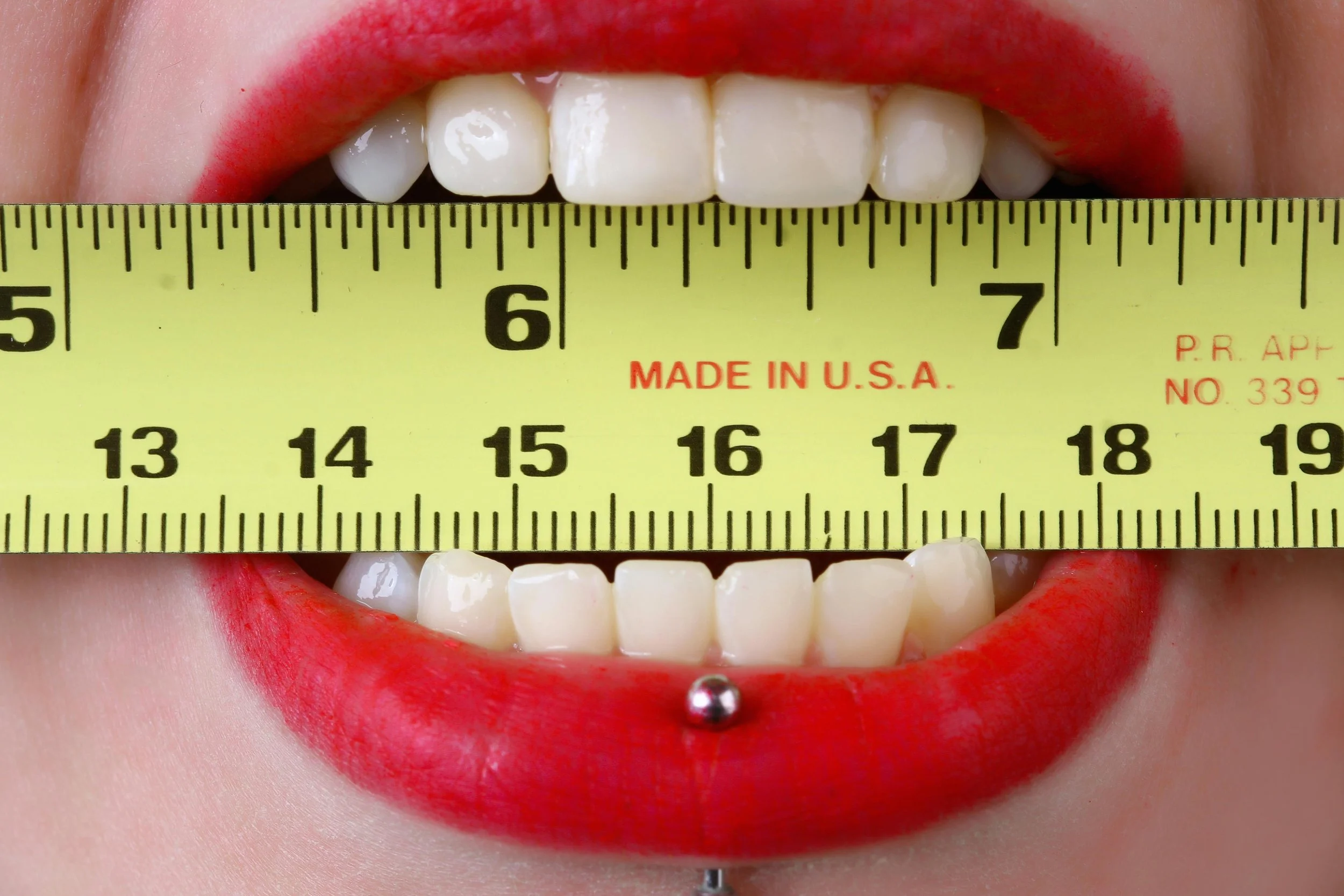
Weight is a sensitive topic, but it’s also an important one.
Think back on 2025 and look for trends and patterns.
Did your clothes fit the same all year? Did belts move notches? Did you start choosing looser outfits without really thinking about why? These small adjustments shout louder than staring at a number on a weighing scale.
What “okay” looks like
Your weight stayed fairly steady. If there were weight gains or losses, they were not drastic or sudden.
Maybe you gained a little during stressful months and settled back. Maybe you lost weight gradually because you moved more or ate differently. This means your body is naturally responding to caloric intake as well as the rhyme and rhythm or your movements. The fluctuations made sense and didn’t feel mysterious.
What deserves attention
Sudden and significant weight loss or weight gain.
A widening waistline even without big changes in eating.
Weight loss without trying, especially paired with fatigue.
Feeling heavier, sluggish, or short of breath during routine tasks
Weight gain, especially around the midsection, is not just about overeating. It can be rooted in long-term stress, poor sleep, and blood sugar strain.
Ask yourself:
Did my body size stay mostly stable in 2025?
If the changes happened, did they happen in the positive direction?
Maybe you didn’t feel like you were eating “that badly,” but by midyear, your work pants felt tighter. You brushed it off, but by December, bending down or climbing stairs felt harder than before. That quiet shift matters.
Your growing weight and waistline may be reflecting habits that accumulated over the year.
Self-Check #3: Your Sleep Cycle

Sleep is one of those things we often ignore. But it’s actually one of the most important factors to health.
Many people confuse “enough hours” with “enough rest.” You may have gotten seven or eight hours most nights, but were those hours actually restorative? Tossing and turning, waking up multiple times, or doom scrolling late at night can turn a full night of sleep into something your body barely benefits from.
What “okay” looks like
Sleep is generally doing its job when it feels steady and reliable rather than perfect. Most nights, you’re able to fall asleep without a long struggle and stay asleep for the majority of the night.
You may wake up once or twice to pee, but you can return to sleep without much effort. And in the morning, you feel reasonably refreshed.
Across the week, your sleep and wake times stay fairly consistent, with your body settling into a rhythm instead of constantly adjusting and catching up.
What deserves attention
Trouble falling asleep or staying asleep multiple nights per week
Waking up still tired, even after enough hours in bed
Relying on caffeine or stimulants just to get through the day
Frequent late nights or inconsistent bedtimes
Ask yourself
How many times did I hit the “Snooze” button before finally getting up?
When you start your day with an alarm clock, as opposed to waking up naturally, this could mean you’re not getting enough sleep.
Are you using your weekends to catch up on sleep? That is rarely enough.
If you’re both having difficulty sleeping and waking up, then your sleep cycle might not align with your work or school schedule. That’s something to seriously think about in 2026.
Self-Check #4: Your Immune System Score
Your immune system is one of the most practical ways to gauge overall health because it reflects how well your body is coping with daily demands. Immunity is shaped by many systems working together. When those systems are in reasonable balance, the immune system tends to be steady and reliable. When they’re not, it’s often the first thing to falter.
What “okay” looks like
When your immune system is doing reasonably well, illness follows a predictable and reassuring pattern. You may catch a cold or flu once in a while, especially during busy or stressful seasons, but recovery is straightforward. Symptoms peak, ease within a few days, and then resolve without dragging on. You don’t feel stuck in a cycle of being “almost well” but never quite there.
What deserves attention
Frequent colds, flu, or infections
Illnesses that lingered longer than usual
Feeling run-down even after a minor sickness
Recurring health complaints you ignored or brushed off
Ask yourself:
Did my body handle the usual bumps, sniffles, and minor injuries with ease, or was I constantly ‘recovering’ from something?”
If you notice that every time you skip sleep for a work deadline, a cold sneaks in. Or maybe a small cut or scrape took longer to heal than it should. These aren’t just random occurrences.
They’re your body hinting that fatigue or nutrition gaps may have weakened your defenses in 2025. They mean you should shore them up in 2026.
Self-Check #5: Your General Stress Level

Stress leaves fingerprints all over your body. Looking back, consider how often tension, pressure, or overwhelm shaped your days.
Did small problems feel bigger than they should have?
Were you frequently rushing, multitasking, or mentally drained?
What “okay” looks like
Doing okay doesn’t mean the absence of stress.
It means that stress was temporary and manageable.
Pressure showed up during busy seasons, deadlines, or family demands, but it didn’t dominate every day. And you had simple ways to ease tension, whether that was walking, listening to music, praying, quiet moments alone, or stepping away from screens.
You can actually remember times when your body softened, your breathing slowed, and your mind felt less crowded.
Stress came and went, rather than settling in and becoming your normal state.
What deserves attention
Feeling on edge most of the time, even when nothing urgent was happening
Irritability, tension headaches, jaw clenching, or stomach discomfort became routine
Good sleep was hard to come by, and fatigue was ubiquitous
For example, you finish work at 7 PM but can’t stop thinking about deadlines. Dinner is quiet, but your mind races. By the weekend, you feel exhausted even though nothing major happened.
This constant low-level stress quietly affects your blood pressure, digestion, immune system, and energy. Don’t dismiss this as “it’s just life.” It’s your body slowly getting overwhelmed.
Ask yourself:
When was the last time I felt truly relaxed?
If it’s hard to remember, stress may have shaped your health in 2025 more than you realized. You can’t avoid all stress, and not all kinds of stress are deleterious, but there comes a point when it becomes a pattern.
This rarely bodes well for the individual. So in 2026, a lifestyle of “de-stressing” and “unburdening” is needed.
These five simple self-checks above give you a sense of how your health has gone in the past year.
But sometimes you need a more objective measurement. That’s where BloodWorks Lab comes in.
We provide medical assessments that take out the guesswork and bring clarity. Whether it’s a simple blood panel, cholesterol check, or blood sugar test, BloodWorks gives you the tools to make informed lifestyle decisions.
As we get deeper into 2026, take a moment to celebrate what your body did in the past 12 months. Recognize the areas that need attention, and plan a healthy and energetic start to the year.
Here’s to good health for you and your family!