
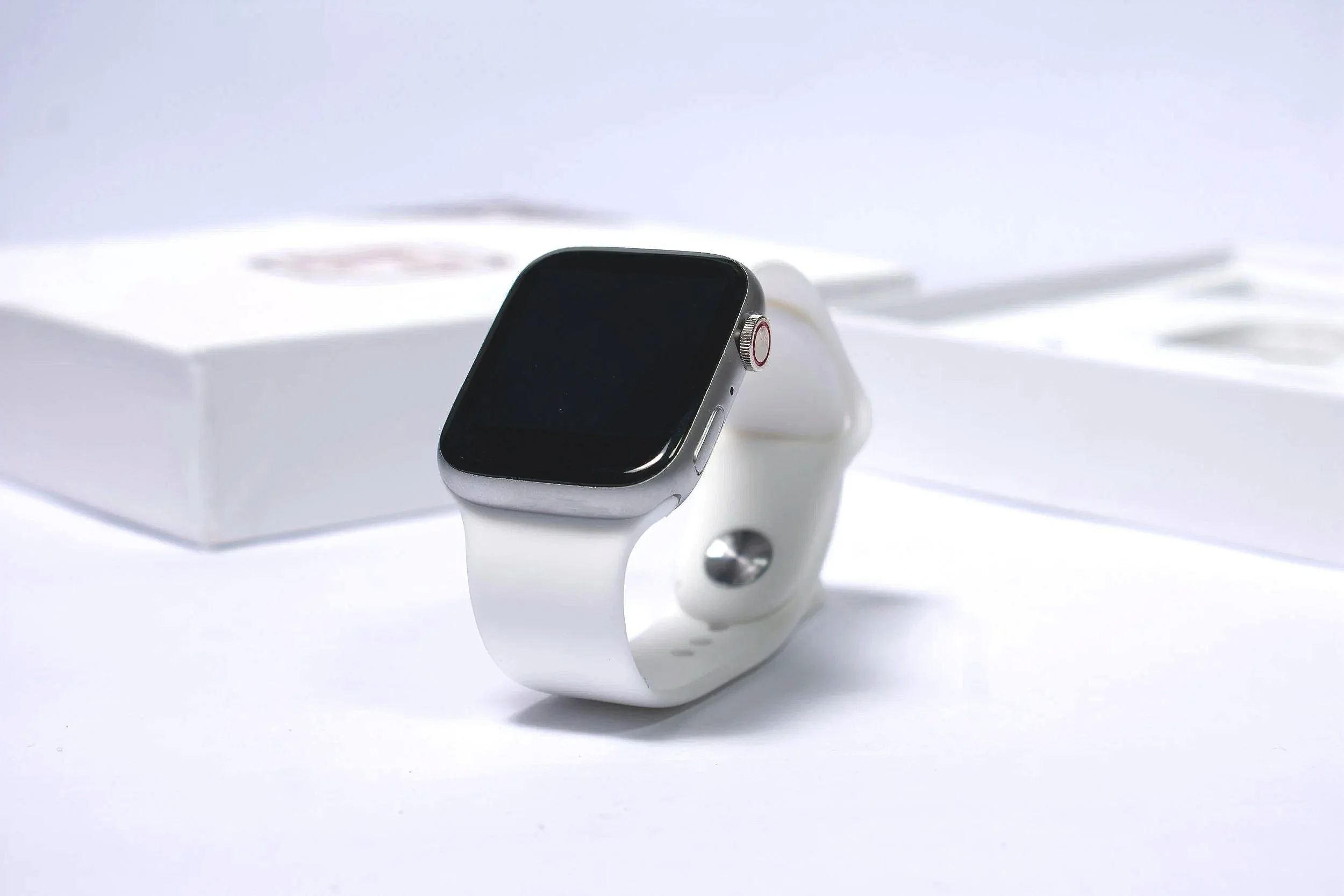
Your smartwatch says your heart beats 72 times a minute, that you slept for 8 hours last night, and that your body is in good shape.
Nice. But should you believe it?
How can a device sitting on your wrist measure what’s happening inside your body…without actually drawing blood, attaching electrodes to your chest, or putting you inside a medical scanner?
How do smartwatches, fitness bands, and smart rings work their magic?
We’ll look into the science of wearables in this post and find out if we should be putting our faith in the figures displayed on the screen.
The Science Behind The Numbers
Wearables, for the most part, do not directly measure what’s going on inside the body. For example, they’re not really connecting with the heart and sensing your heart rate.
The device is often wrapped around your wrist, but from there, it can infer so much of what’s happening inside.
Your smartwatch is loaded with different sensors. The sensors detect “something,” and based on that, an algorithm computes and infers things like heart rate, oxygen saturation, or the number of steps you took today.
In short, wearables determine these things indirectly.
#1 Heart Rate
The science here is called Photoplethysmography (PPG).
A light (usually green LEDs) is directed onto the skin, into the tiny blood vessels. What you have to know is that blood absorbs some of the light and also reflects some of it back. Blood volume determines how much is absorbed.
When the heart beats, more blood is pumped through the blood vessels. More blood volume means more light is absorbed. Less is reflected back to the sensor on the smartwatch.
The sensor detects this and records it as a pulse. Over a period of time, the device then computes the frequency of pulses and gives out a reading of your heart rate.
#2 Oxygen
Measuring oxygen saturation, or how much oxygen is being carried in your red blood cells, is done in a similar manner. But instead of green light, red and infrared lights are used.
Oxygen-rich blood absorbs more infrared light and less red light. On the other hand, oxygen-poor blood absorbs more red light.
By comparing the amount of light reflected back to the sensor, your device can estimate the amount of oxygen in your blood. The normal range would be around 95%-100%
#3 Sleep
How in the world do smartwatches know if you’re asleep?
Again, wearables do not directly measure brain activity the way a clinical sleep study does. Instead, they infer sleep from other signals:
Movement: They have accelerometers. These measure your movements in the X, Y, and Z axes to estimate if you’re still (and probably sound asleep) or tossing and turning in bed.
Heart Rate: The idea is that if your heart rate is lower and less variable, that would suggest sleep.
Skin Temperature: Wearables have a tiny sensor called a thermistor that measures skin temperature. The idea here is that core body temperature goes down when one is asleep. To cool the body down, heat is released through the skin. This heat release is recorded by the smartwatch on your wrist. That’s why your skin temperature actually rises as you transition into sleep.
Through a combination of these and other factors, smart devices determine not only how long your sleep was last night, but they can also rate the quality of your sleep.
#4 Steps
You walked 6,458 steps today.
But how does a watch actually know that?
Wearables have both accelerometers and gyroscopes.
Gyroscopes measure rotation and tilt, tracking angular velocity, as in how fast and in what direction your wrist or arm is rotating or twisting.
As you take successive steps, your body produces a repeating pattern of acceleration. Your arm swings, your wrist changes direction, and your body moves up and down slightly.
The device records these movements and uses an algorithm to identify patterns consistent with walking steps. So the watch knows if you’re walking or cheating and taking an Angkas.
The accelerometer and gyroscope also work together to recognize that you’re running, cycling, or swimming.
#5 Calories
If you have a penchant for counting calories, then your health tracker can be your best friend. But how does it actually know how many calories you’ve expended on an activity?
A smart device does not directly measure the calories your body burns simply by counting your steps or observing your heart rate. There’s a whole algorithm that uses inputs like:

Basal metabolic rate
Age, sex, height, weight, and fitness level (if provided)
Heart rate
Type of activity, its intensity, and duration.
Speed and distance (when available)
Oxygen uptake
An algorithm uses these inputs (and more) to estimate energy expenditure. And even then, as mentioned earlier, this is not a direct measure of calories actually used. Which brings us to the next section…
Can You Trust These Numbers?
Understanding wearables’ limitations helps us distinguish useful health information from numbers that may give us a false sense of security or unnecessary worry.
#1 They Measure Indirect Signals
Wearables put an astonishing amount of health data on our wrists and fingers, from sleep quality to estimates of stress and calories burned. But there’s a catch: measuring a signal is not the same as accurately measuring the vital sign.
For example, most consumer sleep trackers estimate sleep stages using movement and heart-rate patterns rather than measuring actual brain activity. (For direct measurements, you’ll need clinical equipment where they attach electrodes to your head.)
The reported figures are inferences of what’s actually underneath. Because they are inferences, or educated guesses, there are built-in limitations to their accuracy.
#2 Algorithms and their Assumptions

Some readings are grounded in well-established science. Some rely on algorithms and models that make educated estimates from indirect signals.
Although they sure create an illusion of precision, these algorithms are not established laws of science. And how do we know that? Well, for one, they are not standardized, and different brands have different ways of calculating health metrics, each convinced that their approach is more accurate.
These proprietary algorithms are like “black boxes.” We really do not know the inputs, formulas and weights. And these change from time to time and are not disclosed to the public.
And these algorithms depend on their training data and may not generalize across people or activities. So these limitations should really temper our absolute certainty of the figures they put out.
#3 Fit and Movement Distortion
Your smartwatch is supposed to track your heart rate while you run, lift weights, or cycle. But those same movements can interfere with the very sensors trying to measure your body.
Movement and fit can distort the readings. For example, swing your arm vigorously and loosen the watch, and the sensor may struggle to separate the pulse signal from the noise caused by movement.
The result? Your watch might report a higher or lower reading than your actual rate. That is on top of all the algorithmic complications we’ve discussed earlier.
#4 False sense of security or unnecessary worry

These consumer devices are not diagnostic tools, and yet they are being treated as one.
A wearable can reassure someone falsely. For example, a person experiencing unusual shortness of breath may check their watch and see a “normal” heart rate. He then delays seeking care, not understanding that his device is not perfectly calibrated to detect every arrhythmia.
On the other hand, wearables can make healthy people hyperfocus on normal fluctuations. A slightly elevated resting heart rate, a lower oxygen score, an incomplete sleep score, or an irregular-rhythm notification can trigger worry…even when the reading is harmless, transient, or caused by poor sensor contact.
No matter how smart they are, false alarms and missed signals are baked into these devices.
But this does not mean that they are not to be believed or that their readings are worthless.
No, don’t retire your smartwatches just yet. They have an important function: They can help you see patterns. They provide actionable data and point to elements of your health that you should pay attention to.
For example, if you constantly see that your oxygen saturation levels are always lower than desired, then maybe that’s something you need to talk about with your doctor.
Used responsibly, the information given by your fitness trackers can provide real insights into the status of your health.
The Healthy Approach
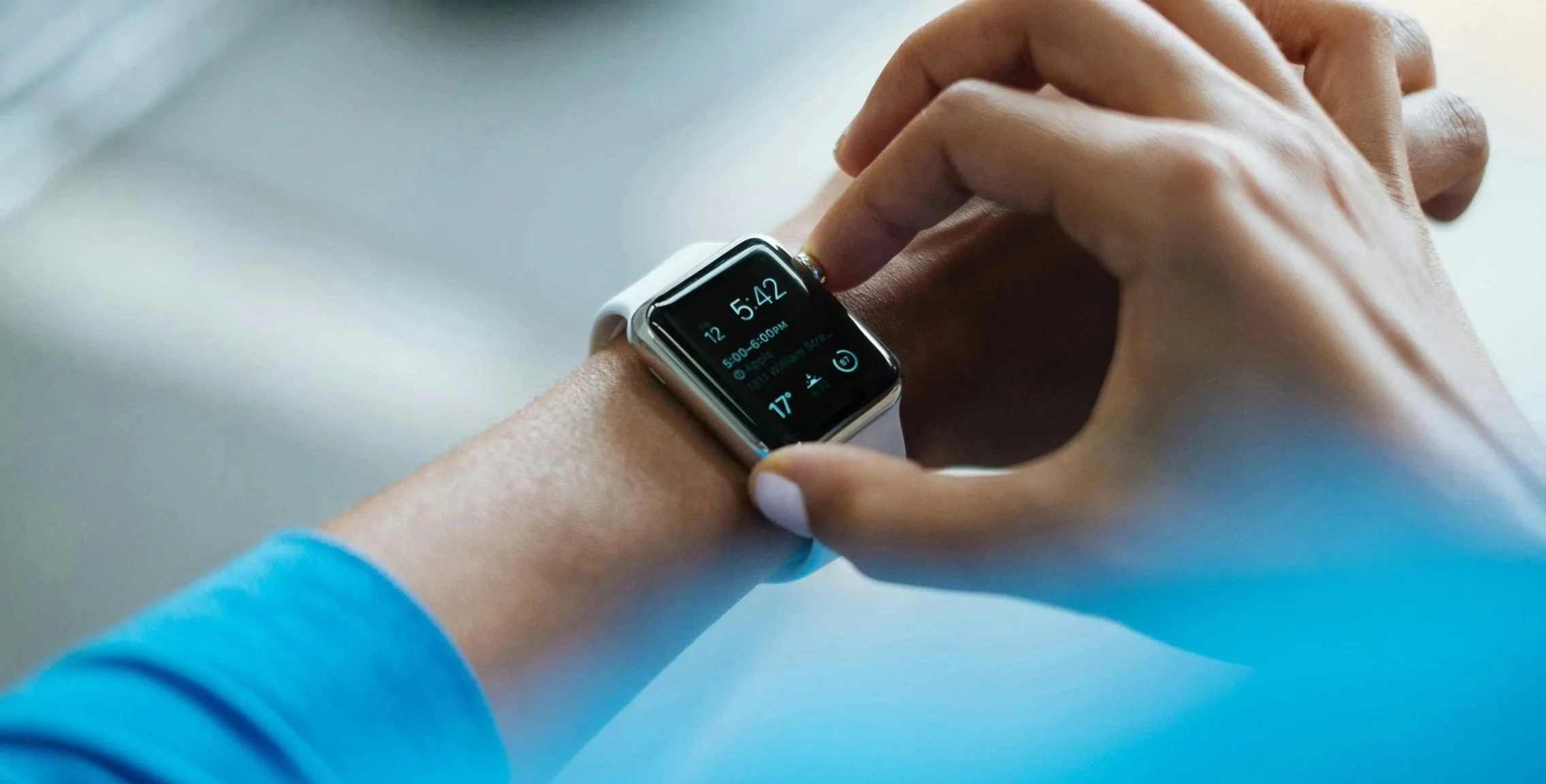
Here are some best practices for dealing with wearables:
Establish your baseline first. To calibrate the device, wear it consistently for a few weeks, ideally under similar conditions. Note the numbers. That’s your baseline. Note any change from that baseline.
Watch trends, not single readings. A one-off low sleep score or high resting heart rate is usually less meaningful than a persistent change over days or weeks.
Do not let the readings override your symptoms. Seek urgent care for symptoms such as chest pain, fainting, severe breathlessness, or confusion, regardless of what the device says.
Limit compulsive checking. Reviewing data once daily or weekly can reduce anxiety while preserving the value of long-term trends.
Turn off nonessential alerts. A continuous stream of notifications is known to cause stress.
Getting A More Accurate Diagnosis

The best way to get a diagnosis or meaningful insight into your health is to come in for a checkup, get the appropriate laboratory tests, and discuss the results with your doctor.
Wearables and at-home health tools can help you notice patterns, but they cannot replace a clinical assessment.
There is still nothing quite like a Complete Blood Count (CBC), MRI, ultrasound, or other medical test to help your doctor understand what is happening in your body. These tests are interpreted alongside your symptoms, medical history, and physical examination…not as isolated numbers on a screen.
That is where BloodWorks Lab can help. From routine blood work such as CBCs to screenings and specialized laboratory testing, BloodWorks provides accurate, reliable results.
Whether you are monitoring an existing condition or simply taking a proactive step toward better health, BloodWorks makes it easier to get the testing you need.
Book your appointment today.
Our branches are in Alabang, Katipunan, and Cebu.